
The Bradford pear tree (Pyrus calleryana) is a popular ornamental tree known for its spring blooms, rapid growth, and symmetrical shape. Native to East Asia and introduced to North America, it was widely planted for landscaping along streets, parks, and residential areas. While visually appealing with its white blossoms and vibrant fall foliage, the Bradford pear has a reputation for structural weakness, invasiveness, and other challenges. Understanding its characteristics, care requirements, and common problems is essential for homeowners, gardeners, and urban planners alike, especially in Texas, where climate and soil conditions can influence growth and health. This guide provides expert insight into Bradford pear identification, care, pruning, propagation, and problem management, similar to foundational practices found in a complete bonsai care guide.
What is a Bradford pear tree?
A Bradford pear tree is a cultivar of Pyrus calleryana, a deciduous ornamental pear species. It is recognized for its pyramidal shape, glossy green leaves, and clusters of fragrant white flowers in early spring. Originally introduced to the United States for ornamental use, it grows rapidly and can reach 30–50 feet in height. The fruit is small, hard, and generally considered inedible for humans, but birds may eat it after frost softens the flesh. Its adaptability to various soil types and environmental conditions made it a popular choice, although its rapid spread has raised ecological concerns and is often discussed in broader classifications like different types of bonsai trees.
How to identify a Bradford pear tree?
Bradford pear trees can be identified by their white spring blooms, glossy green leaves, and symmetrical, pyramidal form. The leaves are ovate, smooth, and dark green, turning yellow, orange, or red in the fall. Flowers appear before the leaves fully expand, creating dense, fragrant clusters. Mature trees typically have a narrow, upright growth habit with multiple leaders, which can make them prone to structural weakness. Small, round fruits, often dispersed by birds, are produced in clusters and may persist into winter.
What are the common Bradford pear tree problems?
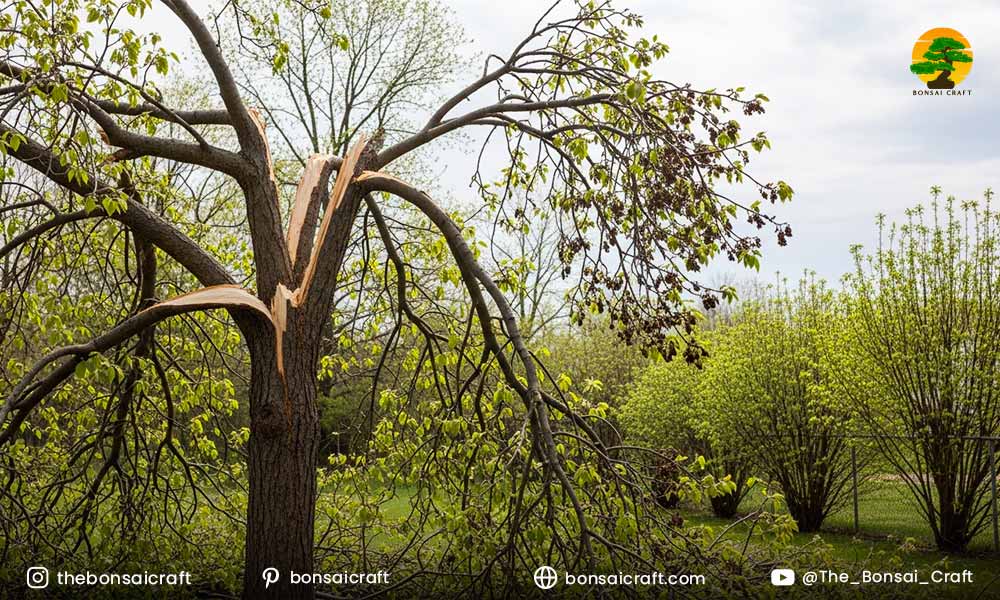
Bradford pear trees are prone to structural weakness, invasiveness, disease, and unpleasant floral odor.
Structurally, the narrow branch angles and multiple leaders lead to frequent branch splitting, especially under ice, snow, or wind. Ecologically, they can be invasive; although originally marketed as sterile, cross-pollination with other Pyrus calleryana cultivars produces viable seeds, forming dense thickets that outcompete native species. Disease susceptibility includes fire blight, leaf spot, and twig blight. Additionally, the spring flowers emit a strong, sometimes unpleasant odor, which can be off-putting in residential areas. Proper soil nutrition and maintenance practices, such as those explained in a bonsai plant soil guide and proper bonsai fertilization techniques, can help reduce stress-related issues in ornamental trees.
How to trim a Bradford pear tree?
Proper pruning of Bradford pear trees strengthens the structure and reduces the risk of branch failure. Early life pruning should focus on removing competing leaders and creating wide branch angles to prevent weak crotches. Prune in late winter or early spring, before new growth emerges, to maintain shape and encourage strong lateral branches. Avoid heavy pruning in mid-summer, which can stress the tree and reduce flower production. Regular inspection and selective removal of damaged or crossing branches can extend tree life and improve safety, much like structured shaping methods used in bonsai wiring techniques and detailed wiring guides such as step-by-step bonsai wiring.
How to prune a Bradford pear tree?
Bradford pear tree pruning focuses on structural integrity and aesthetic form. Start by thinning dense areas to improve airflow, reduce disease risk, and prevent stress fractures. Remove any suckers from the base to maintain a clean trunk. For older trees, prioritize corrective pruning by removing weak branches or those with included bark. Always use sharp, sterilized tools and make cuts at a 45-degree angle to encourage healthy healing.
How to propagate a Bradford pear tree?
Bradford pear trees can be propagated from seeds or by grafting onto rootstocks. While seeds are viable if cross-pollinated, they may produce trees with variable traits. Grafting is preferred for maintaining the Bradford cultivar characteristics. Propagation generally occurs in early spring, with well-draining soil and consistent moisture. Proper care after propagation, including sunlight exposure and pruning, ensures healthy establishment and growth.
What are the Pyrus calleryana characteristics?
Pyrus calleryana, the species behind Bradford pear trees, is fast-growing, deciduous, and highly adaptable. It features glossy, dark green leaves, white spring flowers, and small, persistent fruits. The tree tolerates a wide range of soil types, pH levels, and environmental stresses such as drought, pollution, and compaction. Its fast growth and pyramidal form make it popular for urban landscapes, although these same traits contribute to structural vulnerability and invasive potential.
What does a Bradford pear tree look like?
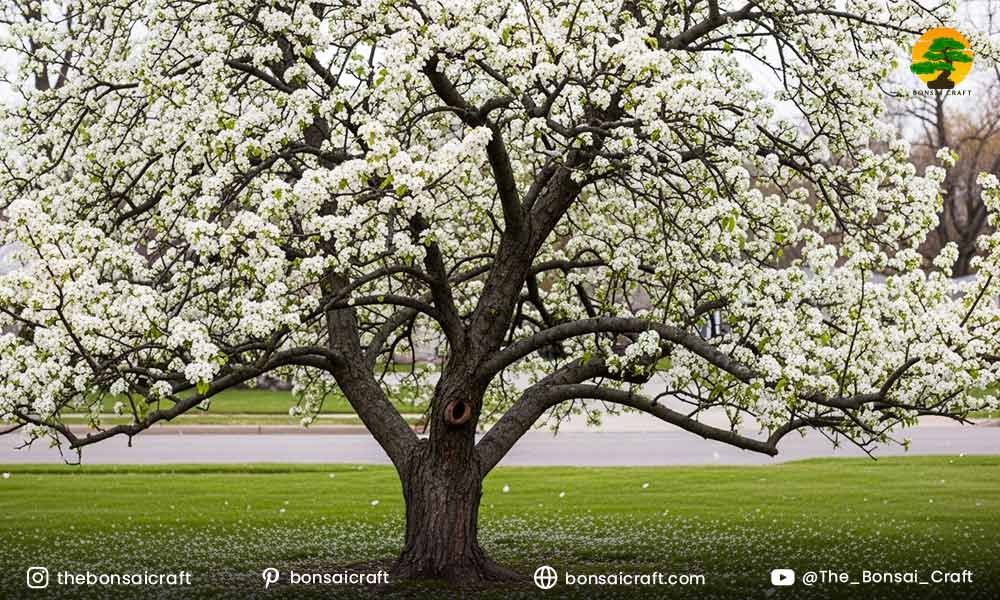
A Bradford pear tree has a symmetrical, pyramidal shape with white spring flowers and colorful autumn foliage. Mature trees reach 30–50 feet tall, with branches forming narrow crotches. In spring, clusters of white, five-petaled flowers cover the tree, while leaves remain glossy green until autumn. Fruits are small, hard, and brownish, mostly ornamental but providing limited wildlife value. The overall appearance is neat and uniform, making it popular for streetscapes despite its ecological and structural drawbacks.
How to care for a Bradford pear tree in Texas?
Bradford pear trees in Texas thrive with well-drained soil, full sun, and regular pruning to manage structural weaknesses. The Texas climate, including hot summers and occasional drought, requires moderate watering, especially for young trees. Prune early to prevent weak crotches, and monitor for fire blight or pest issues. Fertilization in early spring can promote healthy growth, while mulch helps retain soil moisture and regulate temperature.
Avoid planting near property lines or sidewalks to prevent damage from branch splitting, following the same environmental awareness principles used in outdoor bonsai tree care and moisture control strategies explained in watering importance for bonsai trees.
What are the Bradford pear tree blooms and flowers like?
Bradford pear tree flowers are dense clusters of fragrant white blooms appearing in early spring before leaves emerge. Each flower is approximately 2–3 cm in diameter with five petals. While visually striking, the blooms emit a strong odor that some find unpleasant. Flowering is followed by small, brown, inedible fruits, which persist into late fall and provide a decorative element for landscaping.
How to identify Bradford pear tree fruit?
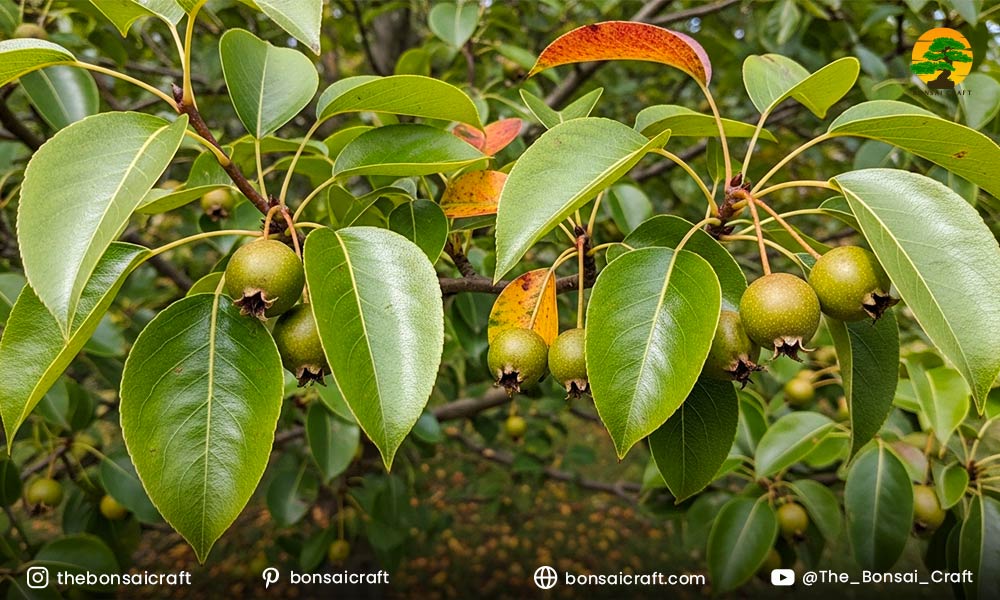
Bradford pear fruit is small, round, hard, and generally not consumed by humans. The fruit measures roughly 1–1.5 cm in diameter, ripens in late summer to fall, and may persist into winter. Birds often consume the fruit, helping disperse seeds. While ornamental, the fruit contributes to the tree’s invasive potential when seeds germinate in natural areas.
FAQs
Are Bradford pear trees invasive?
Yes, Bradford pear trees are considered invasive in many regions. Although initially marketed as sterile, they cross-pollinate with other Pyrus calleryana cultivars, producing viable seeds. These seeds can germinate in natural areas, forming dense thickets that outcompete native plants and disrupt ecosystems.
How long do Bradford pear trees live?
Bradford pear trees typically live 10–25 years. Their relatively short lifespan is due to structural weaknesses and susceptibility to branch splitting. While they grow quickly and offer ornamental value, proper pruning can slightly extend their functional life.
Can Bradford pear trees tolerate drought?
Yes, Bradford pear trees are moderately drought-tolerant. They adapt to a wide range of soil types and environmental conditions, but young trees require consistent watering for establishment. Mulching and proper irrigation can enhance survival during dry Texas summers.
When should I prune a Bradford pear tree?
Prune Bradford pear trees in late winter or early spring before new growth emerges. This timing minimizes stress, encourages healthy branch formation, and reduces the risk of disease. Early structural pruning prevents weak crotches and improves long-term stability.
How can I reduce the odor of Bradford pear flowers?
You cannot eliminate the natural odor, but proper placement helps manage it. Planting the tree away from patios, windows, and high-traffic areas reduces the impact of the strong floral scent. Choosing alternative pear cultivars or ornamental trees may also mitigate odor issues.
Conclusion
The Bradford pear tree (Pyrus calleryana) is a visually striking ornamental species valued for rapid growth, white spring blooms, and autumn color. However, its structural weaknesses, short lifespan, unpleasant floral odor, and invasive potential require careful management, especially in Texas climates. By correctly identifying trees, implementing early pruning, monitoring for disease, and understanding propagation and care practices, homeowners can enjoy the tree’s aesthetic benefits while minimizing risks. Proper site selection, maintenance, and ecological awareness are essential for balancing ornamental appeal with long-term sustainability.