
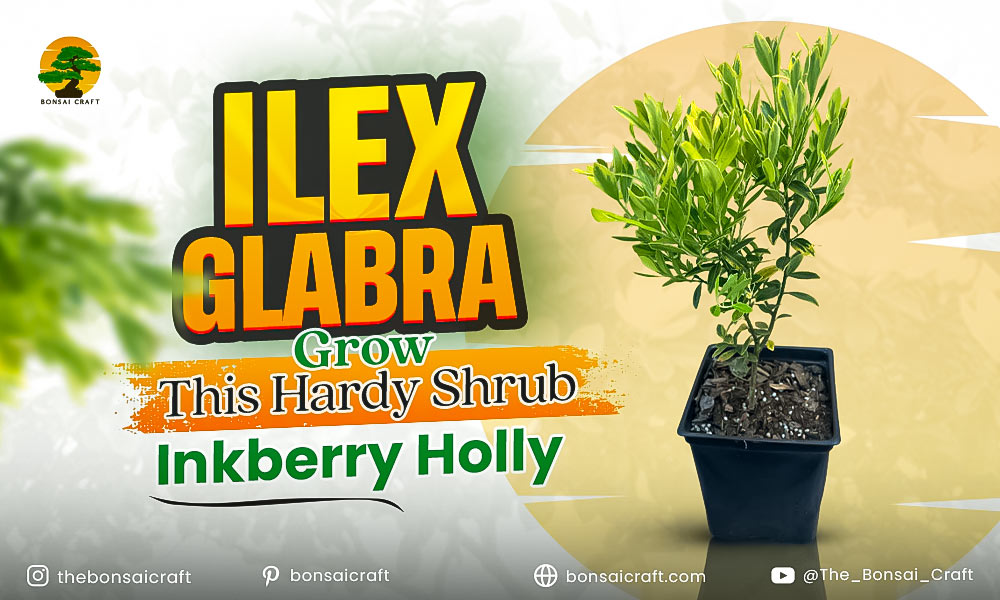
Ilex Glabra, commonly known as Inkberry Holly, is a hardy, evergreen shrub that brings year-round structure and interest to your garden. Native to the eastern United States, this versatile plant thrives in wet conditions and tolerates a variety of soil types, making it an excellent choice for challenging landscapes. Whether you’re looking to create a resilient hedge, add visual appeal to your borders, or incorporate it into a native plant garden, Ilex Glabra has something to offer.
This guide will explore everything you need to know about growing, caring for, and utilizing this stunning shrub in your garden.
Exploring Different Varieties of Ilex Glabra
Ilex Glabra offers a range of varieties, each with unique attributes that cater to different landscaping needs. Whether you’re looking for compact sizes or hardier options, there’s an Ilex Glabra to suit your garden style. For similar inspiration on compact shrubs, see bonsai species collection.
Ilex Glabra ‘Shamrock’: A Compact Beauty for Smaller Gardens
Ilex Glabra ‘Shamrock’ is a compact variety that grows to about 3 to 4 feet in height. Its dense, rounded form makes it ideal for smaller gardens or container planting. ‘Shamrock’ features glossy, dark green leaves and small berries that remain attractive through the winter months. This variety is a low-maintenance option that thrives in a variety of soil types and is well-suited for gardeners with limited space. For container planting ideas, check out the bonsai container guide.
Ilex Glabra ‘Compacta’: Perfect for Low-Maintenance Landscapes
Ilex Glabra ‘Compacta’ offers a similar size and dense form, making it another excellent choice for creating neat, low-maintenance hedges or foundation plantings. Growing to around 3 to 4 feet tall, ‘Compacta’ works well in both urban and suburban gardens. Its ability to tolerate poor drainage conditions makes it perfect for rain gardens or areas with fluctuating moisture levels. Learn more about bonsai soil and watering tips to ensure healthy growth.
Ilex Glabra ‘Strongbox’: A Hardier Choice for Resilient Hedges
Ilex Glabra ‘Strongbox’ is a more upright variety that reaches up to 6 feet tall. Known for its hardiness, this variety can withstand colder climates, making it ideal for northern gardeners. The dense, dark green foliage of ‘Strongbox’ creates an excellent barrier, making it perfect for resilient hedges and privacy screens. It can tolerate wet soil conditions, making it a great addition to landscapes with drainage issues.
Ilex Glabra ‘Nigra’: Darker Foliage for Striking Landscape Design
Ilex Glabra ‘Nigra’ is prized for its striking, dark green to nearly black foliage. This variety offers a dramatic contrast in garden settings, making it an excellent choice for modern or formal landscaping designs. It typically grows to around 4 to 5 feet tall and works well as a specimen plant or as part of a mixed border, adding depth and texture to your landscape.
Inkberry Holly (Ilex Glabra): The Ideal Shrub for Diverse Landscapes
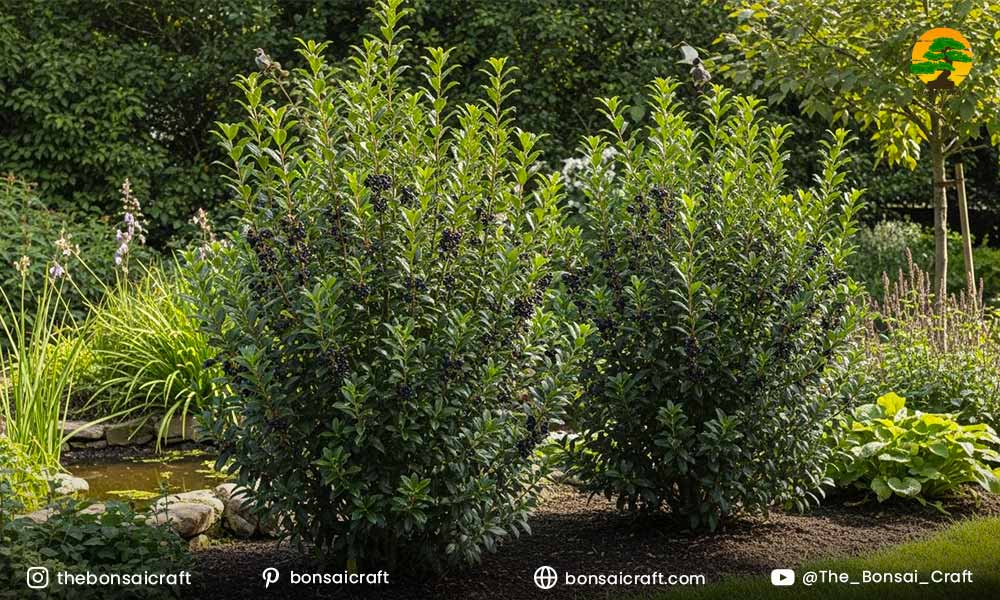
Ilex Glabra, or Inkberry Holly, is known for its adaptability in a variety of landscape conditions. It thrives in wet soils, making it perfect for rain gardens or other low-lying areas prone to flooding. In addition, it can also handle slightly drier conditions and tolerate full sun, although it performs best in partial shade.
This shrub’s evergreen nature provides visual interest throughout the year, making it a staple in landscapes. It is also an excellent choice for wildlife-friendly gardens, as its dark, glossy berries attract birds. Only female plants produce berries, and a male Inkberry Holly must be planted nearby for pollination. Whether used as a hedge, specimen plant, or part of a larger native plant garden, Inkberry Holly is a valuable and versatile addition to any garden.
How to Grow and Care for Ilex Glabra Shrubs
Ilex Glabra, or Inkberry Holly, is a relatively low-maintenance shrub, but it thrives best when given proper care. Here’s how to ensure your Ilex Glabra shrubs grow healthy and strong:
Best Soil and Light Conditions for Ilex Glabra
Ilex Glabra performs best in moist, acidic soil, though it is adaptable to slightly alkaline conditions. It prefers areas with partial shade but can tolerate full sun, especially in cooler climates. It’s important to plant Ilex Glabra in areas that are not too dry. Since it thrives in moist conditions, planting it near a water source or in soil that doesn’t dry out too quickly is ideal.
If the soil is heavy or poorly drained, improve it with organic matter to ensure adequate drainage. While it can withstand brief periods of dryness once established, regular moisture is key during the initial growing phase. For soil improvement techniques, check bonsai soil care.
Watering and Fertilization Tips for Healthy Inkberry Holly
Watering: While Ilex Glabra is relatively drought-tolerant once established, regular watering during the first growing season is crucial for healthy root development. Water at the base of the plant to keep the foliage dry, preventing fungal diseases. Learn more at the bonsai watering guide.
Once the plant is established, it can survive on natural rainfall, but during extended dry periods, be sure to supplement watering to keep the soil moist, not soggy.
Fertilization: Ilex Glabra is not overly demanding in terms of fertilization. In early spring, applying a slow-release, balanced fertilizer can boost growth and encourage strong, healthy foliage. Be sure to follow the instructions on the fertilizer label and avoid over-fertilizing, as this can lead to excessive, leggy growth. In addition, applying a layer of organic mulch around the base will not only help retain moisture but also improve soil quality over time.
Pruning and Shaping Your Ilex Glabra Hedge
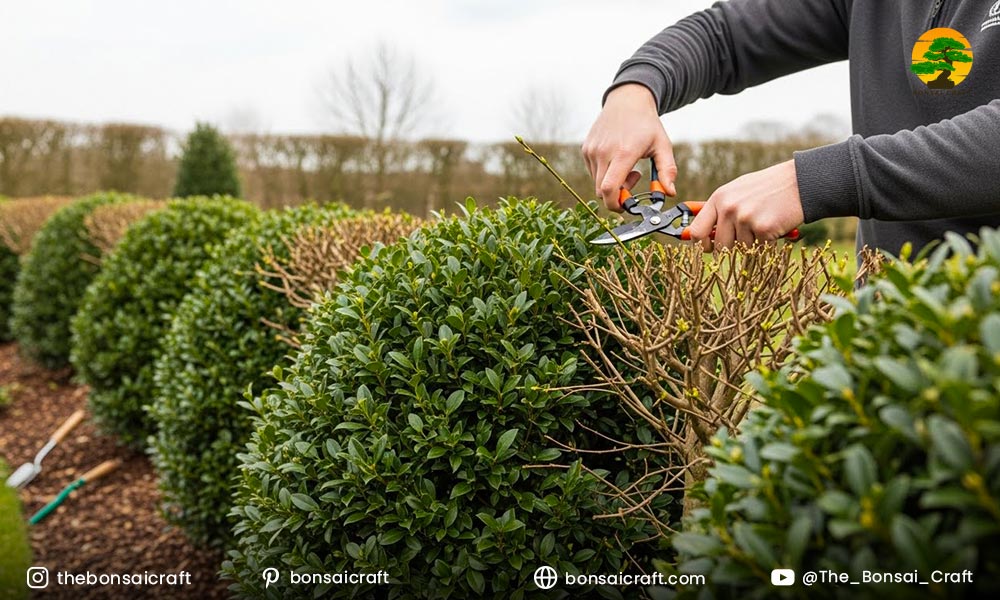
Ilex Glabra requires minimal pruning, but regular care can keep it healthy and looking neat. The best time to prune is in late winter or early spring, before the plant begins its active growing season. This will help remove any dead or damaged branches and encourage new growth.
If you’re growing Ilex Glabra as a hedge, you may need to trim it throughout the growing season to maintain its shape. Use sharp pruning shears or hedge trimmers to ensure clean cuts. Regular trimming will help the shrub grow denser and maintain a compact form. Light pruning is sufficient to keep it looking its best.
For taller varieties like Ilex Glabra ‘Strongbox’, you may need to cut back the top to maintain a manageable height, especially if you’re using it as a privacy screen or hedge. See bonsai pruning techniques for precision methods.
Dealing with Pests and Diseases
Ilex Glabra is generally resistant to pests, but common issues can still arise. Scale insects, aphids, and leaf miners can occasionally infest the shrub, causing yellowing leaves or stunted growth. If you spot these pests, treat the plant with horticultural oil or insecticidal soap, which are effective yet safe for the plant.
Fungal diseases, such as powdery mildew and leaf spot, can also affect Inkberry Holly, particularly in humid conditions. To minimize the risk, ensure proper spacing between plants to allow for adequate air circulation. Regularly remove any infected leaves and dispose of them. If the issue persists, apply a fungicide as recommended for ornamental shrubs.
Planting Ilex Glabra: Creating a Lush, Green Hedge
Ilex Glabra is an excellent choice for planting as a hedge or privacy screen. Its dense growth habit and evergreen nature create a thick barrier, perfect for shielding your garden from wind or unwanted views. When planting Inkberry Holly as a hedge, space the shrubs about 3 to 4 feet apart, depending on the variety. Regular trimming will help ensure the hedge remains compact and uniform, providing privacy and structure throughout the year.
Ilex Glabra in Landscaping: Creative Uses and Design Ideas
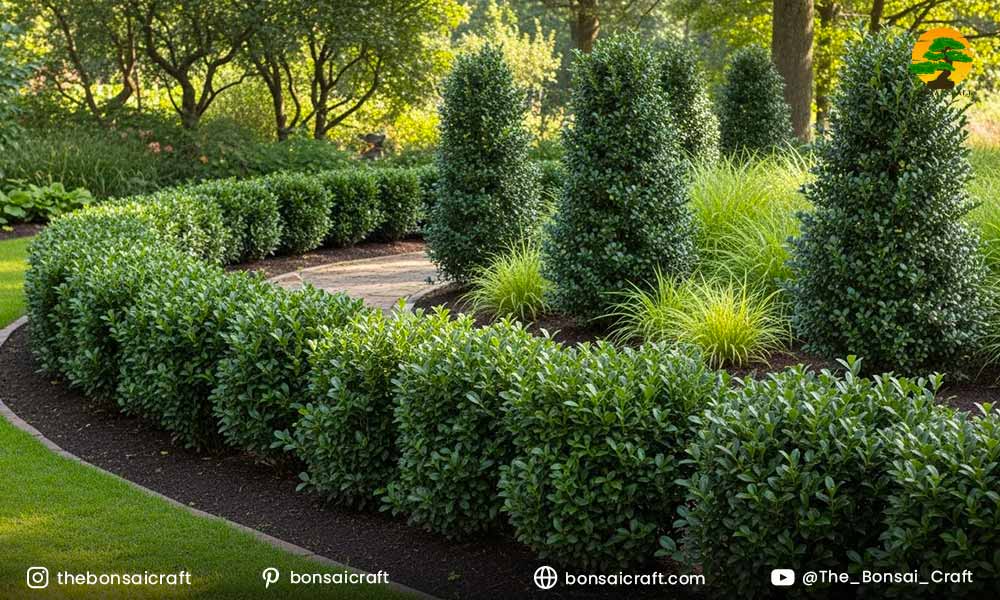
Inkberry Holly is incredibly versatile and can be used in a variety of landscape designs. It can function as a border plant, providing year-round interest and acting as a natural barrier against wind. In native plant gardens, it pairs well with other species that thrive in wet or partially shaded environments. Ilex Glabra also works well as a specimen plant, creating focal points in gardens that need vertical structure and evergreen color.
Common Problems and Solutions When Growing Ilex Glabra
Although Ilex Glabra is a hardy shrub, it can occasionally suffer from issues such as pests or diseases.
Pests: Scale insects and aphids may occasionally infest the shrub, causing yellowing leaves or stunted growth. Regular inspection and the application of horticultural oils or insecticidal soap can effectively manage these pests.
Diseases: Fungal diseases, such as powdery mildew and leaf spot, can affect Inkberry Holly, particularly in humid environments. Pruning to improve air circulation and removing infected foliage can help reduce the spread of these diseases.
Conclusion: Why Ilex Glabra is the Perfect Hardy Shrub for Your Garden
Ilex Glabra, or Inkberry Holly, offers exceptional versatility and resilience, making it an excellent choice for gardeners of all skill levels. Whether you choose the compact ‘Shamrock’ variety or the hardier ‘Strongbox’, this shrub provides year-round beauty and practical benefits, such as acting as a privacy screen or windbreak. Its adaptability to different soil conditions and light levels makes it an ideal choice for many types of landscapes. With minimal care required, Ilex Glabra is a top-tier shrub for anyone looking to enhance their garden’s structure and aesthetic appeal.
Top 5 FAQs about Ilex Glabra
What is Ilex Glabra (Inkberry Holly)?
Ilex Glabra, commonly known as Inkberry Holly, is a native evergreen shrub that grows well in a variety of landscapes, especially in areas with wet soil. It features dark green leaves and black berries that persist through winter, making it a popular choice for gardeners. Only female plants produce berries, and a male Inkberry Holly must be planted nearby for pollination.
What are the different varieties of Ilex Glabra?
There are several notable varieties of Ilex Glabra, including:
- ‘Shamrock’: Compact and perfect for smaller spaces.
- ‘Compacta’: Ideal for low-maintenance hedges.
- ‘Strongbox’: Hardy and upright, great for resilient hedges.
- ‘Nigra’: Striking dark green to black foliage, perfect for dramatic landscaping.
How do I plant Ilex Glabra as a hedge?
To plant Ilex Glabra as a hedge, space the plants 3 to 4 feet apart, depending on the variety. Make sure the soil is moist and well-draining, and choose a location with partial shade for best growth. Regular trimming will help maintain a compact and dense hedge.
What are the best soil and light conditions for Ilex Glabra?
Ilex Glabra prefers moist, acidic soil but can tolerate slightly alkaline conditions. It grows best in partial shade but can also adapt to full sun, especially in cooler climates. Ensure regular watering during dry spells, particularly during the first few years.
How do I care for Ilex Glabra during winter?
Ilex Glabra is an evergreen shrub, so it retains its foliage throughout the winter. To care for it, mulch around the base to protect the roots from freezing and ensure adequate moisture. Avoid overwatering, as wet soil in winter can lead to root rot.