

Growing a coffee plant indoors is both a decorative and rewarding gardening experience, especially when you understand the fundamentals of coffea arabica plant care. The Coffea arabica plant, commonly known as the Arabica coffee plant, is the species responsible for producing most of the world’s coffee beans. With its glossy green foliage, fragrant white flowers, and the possibility of producing coffee cherries, this tropical plant has become a popular houseplant for gardeners interested in growing coffee at home.
Native to the highland forests of Ethiopia, Arabica coffee plants naturally grow under the canopy of taller trees where they receive filtered sunlight, steady warmth, and humid air. Because of these conditions, the plant adapts surprisingly well to indoor environments when growers recreate a similar climate with bright indirect light, consistent watering, and moderate humidity.
Many people grow coffea arabica houseplants purely for their lush ornamental appearance, although mature plants can occasionally produce clusters of small white flowers and red coffee cherries after several years of proper care. Understanding how to manage watering, soil composition, lighting conditions, and temperature stability is essential for maintaining a healthy plant. For more houseplant and bonsai growing techniques, you can explore additional guides on Bonsai Craft.
This guide explains how to grow Coffea arabica at home, including detailed instructions for lighting, watering schedules, soil requirements, propagation methods, flowering conditions, and common care mistakes to avoid
| Care Factor | Requirement |
|---|---|
| Light | Bright indirect sunlight |
| Water | Keep soil evenly moist |
| Soil | Slightly acidic, well-draining |
| Temperature | 18–27°C (65–80°F) |
| Humidity | 50–60% |
| Fertilizer | Balanced fertilizer during growing season |
What Is Coffea Arabica?
Coffea arabica is a tropical evergreen shrub species that produces the beans used for Arabica coffee. The Coffea arabica scientific name refers to the botanical species within the Rubiaceae family that produces the majority of global coffee crops. Native to Ethiopia and surrounding highland regions, the plant thrives in warm, humid climates with filtered sunlight and nutrient-rich soil.
In its natural habitat, the plant can grow into a small tree, but when cultivated indoors it typically remains compact, reaching around 30–90 cm (1–3 feet) tall as a houseplant.
The plant is known for several distinctive features:
- Dark green glossy leaves
- Fragrant white flowers resembling jasmine
- Red cherries containing coffee beans
Because of its attractive foliage, coffee plant Coffea arabica has become popular as an indoor ornamental plant even in regions far from coffee-growing climates, similar to other tropical indoor plants like those discussed in this guide on indoor bonsai trees.
Coffea Arabica Plant Care: Basic Growing Requirements
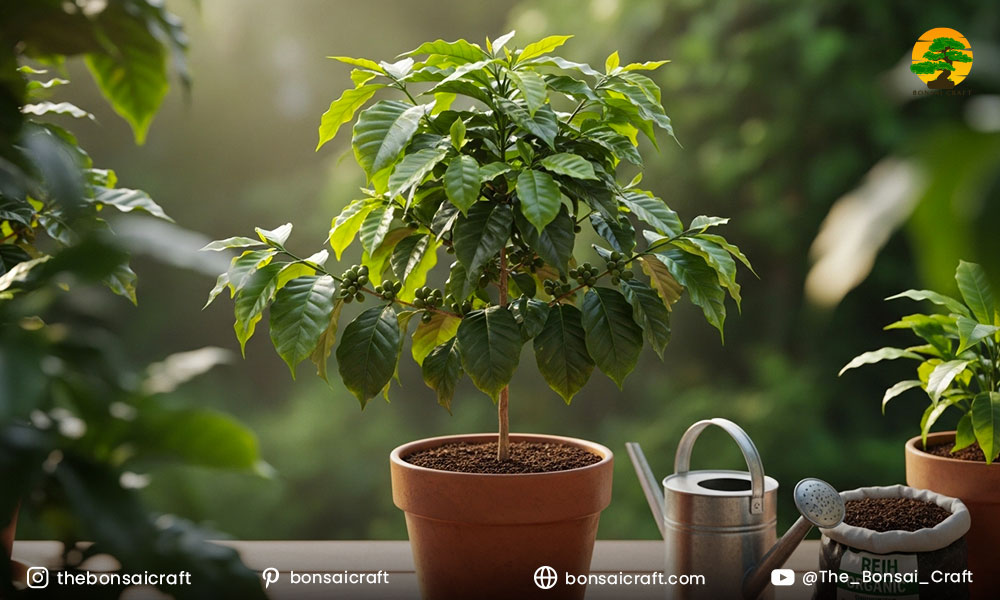
Coffea arabica plant care depends on bright indirect light, evenly moist soil, warm temperatures, and moderate to high humidity. Arabica coffee plants evolved under the canopy of tropical forests, meaning they naturally grow in filtered light and humid conditions. When grown indoors or on patios, replicating these conditions ensures healthy foliage and long-term growth.
The most important factors in coffea arabica care include:
- Bright but indirect sunlight
- Moist, well-draining soil
- Warm temperatures above 18°C (65°F)
- Humidity above about 50%
- Regular but balanced watering
Maintaining stable environmental conditions is important because Arabica coffee plants respond poorly to sudden changes in temperature, light, or moisture levels. Proper environmental balance is also emphasized in this comprehensive bonsai care guide.
Light Requirements for Coffea Arabica
Coffea arabica grows best in bright, indirect light similar to the filtered sunlight of tropical forests. Indoor coffee plants should receive 4–6 hours of bright filtered light daily, ideally near east- or north-facing windows where sunlight is gentle. Direct midday sun can scorch the leaves and cause browning or yellow patches.
A plant placed in excessive shade may show slow growth or leggy stems because the plant stretches toward the light source. Lack of adequate light can also reduce the chance of flowering.
If natural sunlight is limited, grow lights can supplement indoor conditions, particularly during the winter months. Proper lighting conditions are also important for maintaining healthy bonsai trees, as explained in this article about bonsai tree light.
How Often to Water Coffea Arabica
Coffea arabica should be watered when the top inch of soil becomes dry while keeping the soil evenly moist but never waterlogged. Arabica coffee plants are sensitive to both drought and excessive watering. The soil should remain lightly moist because completely dry soil can damage the plant, while soggy conditions may lead to root rot.
A practical watering routine involves:
- Checking soil moisture with a finger or moisture meter
- Watering thoroughly when the top 2–3 cm of soil is dry
- Allowing excess water to drain from the pot
In warm seasons, watering may occur about once a week, while cooler months often require less frequent watering.
Consistent moisture is particularly important because coffee plants naturally grow in humid rainforest environments where soil rarely dries out completely. Understanding proper watering techniques is also essential in bonsai cultivation, as explained in this ultimate guide to watering bonsai trees.
Ideal Soil for Coffea Arabica Plants
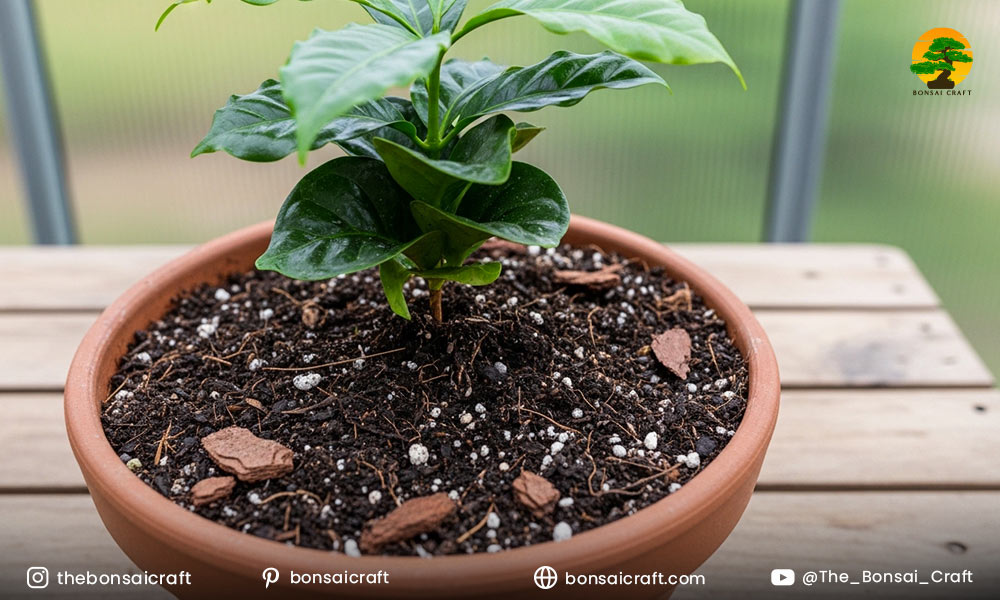
Coffea arabica plants grow best in rich, slightly acidic, well-draining soil. A suitable soil mix allows roots to receive oxygen while still retaining adequate moisture. Most experts recommend a loose potting mix containing organic matter and drainage components.
An effective mixture may include:
- Potting soil or compost
- Perlite for aeration
- Pine bark or peat for acidity
The ideal soil pH typically falls between 5.5 and 6.5, reflecting the slightly acidic soil conditions found in natural coffee-growing regions. Soil structure plays a major role in plant health, similar to the principles described in this guide on bonsai plant soil.
Repotting the plant every two to three years prevents root crowding and replenishes soil nutrients.
Temperature and Humidity Needs
Coffea arabica thrives in warm temperatures between roughly 18–27°C (65–80°F) with moderate to high humidity. Because Arabica coffee plants originate from tropical highlands, they prefer stable warmth and moisture in the air. Temperatures below about 13°C (55°F) can stress the plant and cause leaf drop.
Indoor environments often become dry, especially in winter. To maintain healthy growth, humidity levels should ideally remain around 50–60% or higher.
Gardeners often increase humidity by:
- Using a pebble tray filled with water
- Placing a humidifier nearby
- Grouping tropical plants together
Maintaining humidity prevents brown leaf edges and reduces pest problems such as spider mites.
Coffea Arabica Flowers and Coffee Cherries
Coffea arabica flowers are fragrant white blossoms that can eventually develop into coffee cherries. Mature plants sometimes produce small, star-shaped white flowers that resemble jasmine. These blooms appear in clusters along the stems and are highly aromatic.
Under optimal indoor conditions, flowering may begin after three to five years of growth, although fruiting indoors is less common than in outdoor plantations.
After pollination, flowers can develop into red cherries that contain two coffee beans. The beans must be processed and roasted before they become the familiar coffee used for brewing.
Even without fruit production, the glossy foliage makes the coffea arabica coffee plant a striking decorative houseplant.
How to Grow Coffea Arabica from Seeds
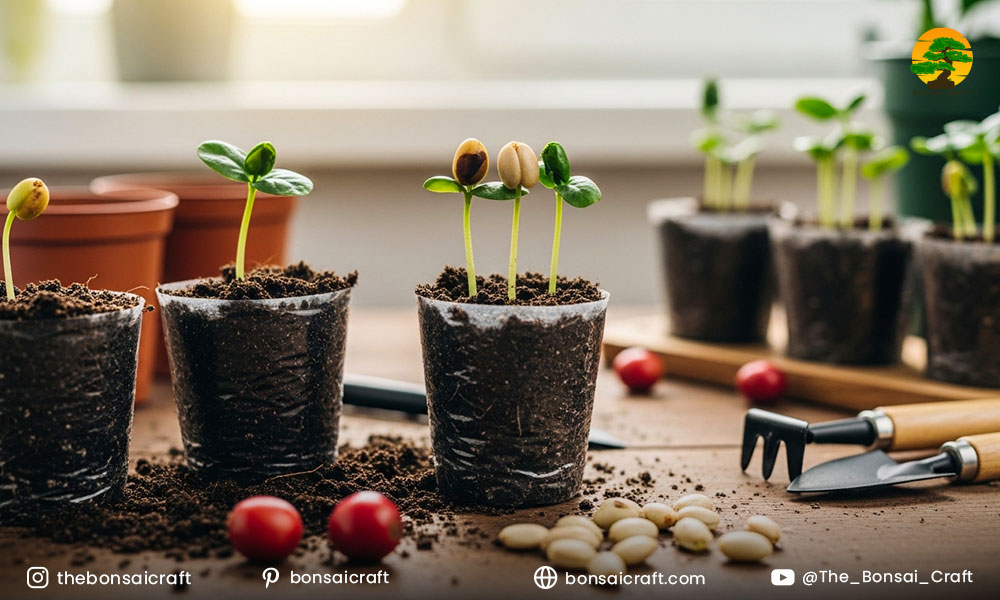
Coffea arabica seeds can be grown by planting fresh coffee beans in warm, moist soil. Propagation from seeds requires viable, unroasted beans that still contain living embryos. These seeds germinate best in warm environments with consistent moisture.
Typical seed propagation involves:
- Soaking fresh beans in water for about 24 hours
- Planting them in moist, well-draining soil
- Keeping the soil warm and humid
- Waiting several weeks for germination
Coffee plants grow slowly during their early years, but with consistent care they develop into bushy indoor shrubs. Beginners interested in plant cultivation can also explore techniques in this guide on steps to create a bonsai.
Propagation can also occur through stem cuttings, which often root faster than seeds when kept in warm, humid conditions.
Coffea Arabica Pruning and Maintenance
Pruning Coffea arabica encourages bushier growth and maintains a manageable plant size. Arabica coffee plants can become tall and leggy if left untrimmed, particularly indoors. Pruning helps maintain shape and improves airflow around the plant.
Gardeners typically prune in spring by:
- Removing weak or damaged branches
- Shortening overly long stems
- Trimming the top to encourage side growth
Plant training techniques such as pruning and shaping are also widely used in bonsai cultivation, particularly when working with species like the juniper bonsai tree.
Is Coffea Arabica Toxic to Cats?
Coffea arabica is considered toxic to cats and dogs if ingested due to caffeine compounds in the plant. The leaves and berries contain caffeine and related compounds that may cause symptoms such as vomiting or digestive discomfort in pets if consumed. Because of this potential toxicity, coffee plants should be placed out of reach of curious animals.
Pet owners who enjoy growing houseplants should position the coffee plant on shelves or in rooms where pets cannot access it.
Growing Coffea Arabica as a Houseplant
Coffea arabica houseplants thrive indoors when provided with humidity, bright indirect light, and consistent watering. As an indoor plant, the Arabica coffee plant functions more as a decorative tropical shrub than a coffee-producing crop. Its glossy leaves and upright growth habit make it attractive for living rooms, offices, or indoor gardens.
Ideal indoor placement includes:
- Bright windows with filtered sunlight
- Warm rooms without cold drafts
- Spaces with moderate humidity
Its glossy leaves and upright growth habit make it attractive for living rooms, offices, or indoor gardens. Other decorative indoor species are discussed in this guide on ficus lyrata care.
Common Problems When Growing Coffea Arabica
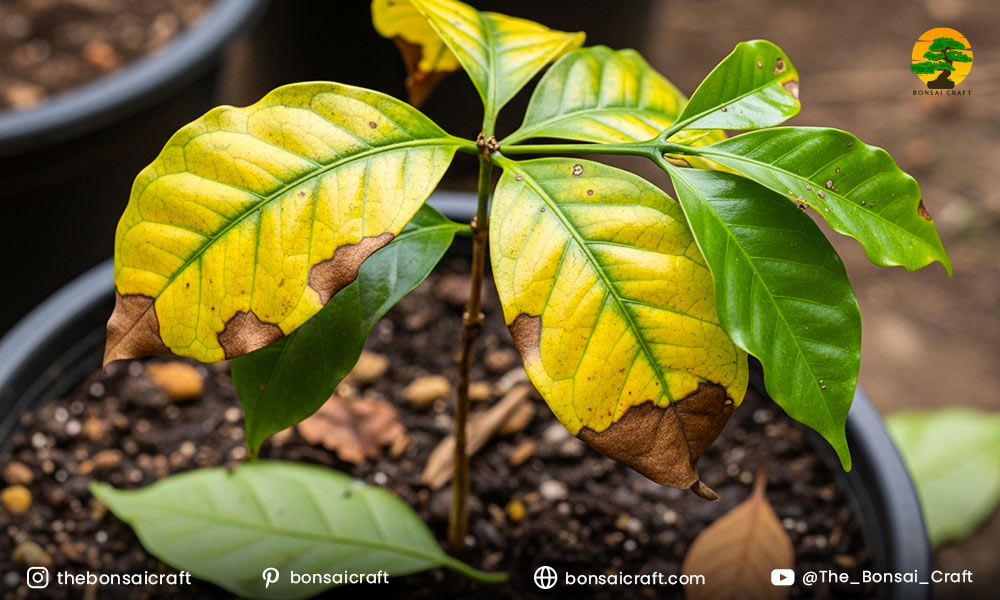
Most Coffea arabica problems are caused by improper watering, low humidity, or poor lighting. Common issues include yellow leaves, brown edges, and slow growth. These symptoms usually indicate environmental stress rather than disease.
Typical causes include:
- Overwatering leading to root rot
- Dry indoor air causing leaf browning
- Direct sunlight scorching leaves
- Insufficient light causing weak growth
Adjusting watering habits, improving humidity, and relocating the plant often resolve these problems.
Frequently Asked Questions
How to care for coffea arabica plant indoors?
Coffea arabica plants thrive indoors with bright indirect light, warm temperatures, and evenly moist soil. Place the plant near a bright window with filtered sunlight and maintain humidity above 50%. Water when the top inch of soil becomes dry and use a well-draining potting mix. Avoid cold drafts and extreme temperature changes.
How often should I water Coffea arabica?
Water the coffee arabica when the top inch of soil becomes dry. Most indoor plants require watering about once per week during active growth. However, frequency depends on humidity, temperature, and pot size. Always ensure the pot drains properly to prevent root rot.
Can Coffea arabica grow indoors?
Coffea arabica grows well indoors as a tropical houseplant. Although indoor plants rarely produce large harvests of coffee beans, they develop attractive foliage and sometimes flowers after several years. Maintaining warm temperatures, humidity, and bright indirect light improves growth.
How long does it take for Coffea arabica to produce coffee beans?
Coffea arabica plants typically require several years before producing beans. In ideal conditions, flowering may occur after three to five years of growth. Fruit production depends on pollination, light levels, and environmental stability.
What soil is best for Coffea arabica?
Coffea arabica grows best in slightly acidic, well-draining soil. A potting mix containing organic matter, perlite, and bark provides both moisture retention and aeration. Maintaining a soil pH around 5.5–6.5 helps support healthy root growth.
Conclusion
Growing Coffea arabica at home combines ornamental gardening with the fascinating possibility of producing real coffee cherries. The plant’s glossy leaves and fragrant flowers make it a beautiful indoor tropical shrub even when beans are not produced.
Successful Coffea arabica plant care depends on replicating its natural environment: bright indirect light, warm temperatures, consistent moisture, and high humidity. With patience and attentive care, the Arabica coffee plant can thrive indoors for many years and become one of the most unique plants in a home garden.