Introduction
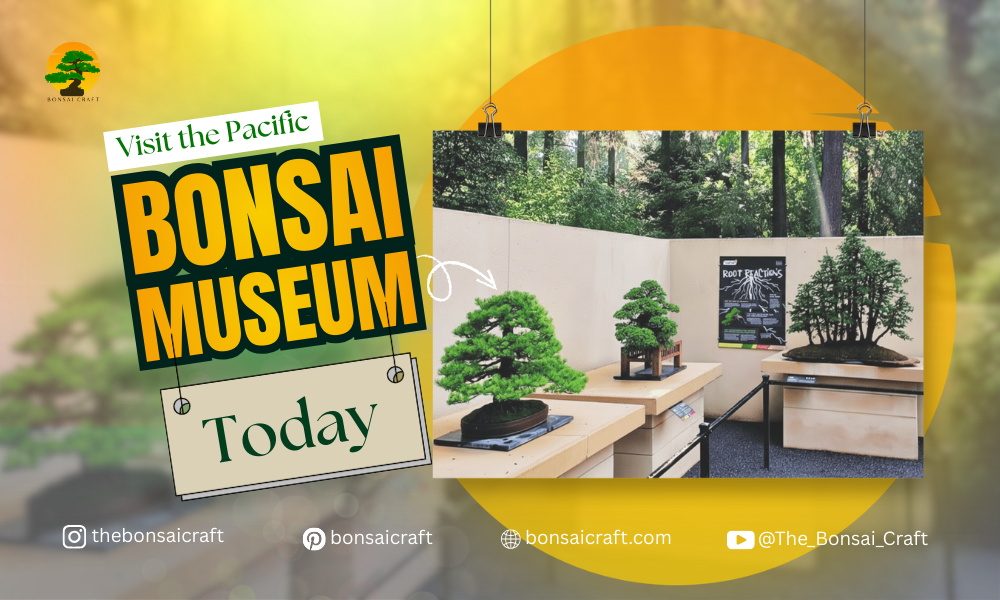
The Pacific Bonsai Museum is a living art museum where bonsai trees are preserved as evolving works of art rather than static displays.
Situated in the calm and scenic environment of Federal Way, Washington, the museum offers visitors a rare chance to experience bonsai as living sculptures shaped over decades through patience, discipline, and artistic intent. Unlike conventional museums, the trees here continue to grow, change, and mature, telling stories of time and craftsmanship. With a collection of more than 150 bonsai trees, the museum showcases both horticultural excellence and cultural heritage, leaving a lasting impression on visitors of all experience levels.
For readers who want to understand the fundamentals behind the living artworks displayed at the museum, this complete bonsai care guide explains how pruning, wiring, and long-term maintenance shape bonsai over decades.
An Overview of the Pacific Bonsai Museum
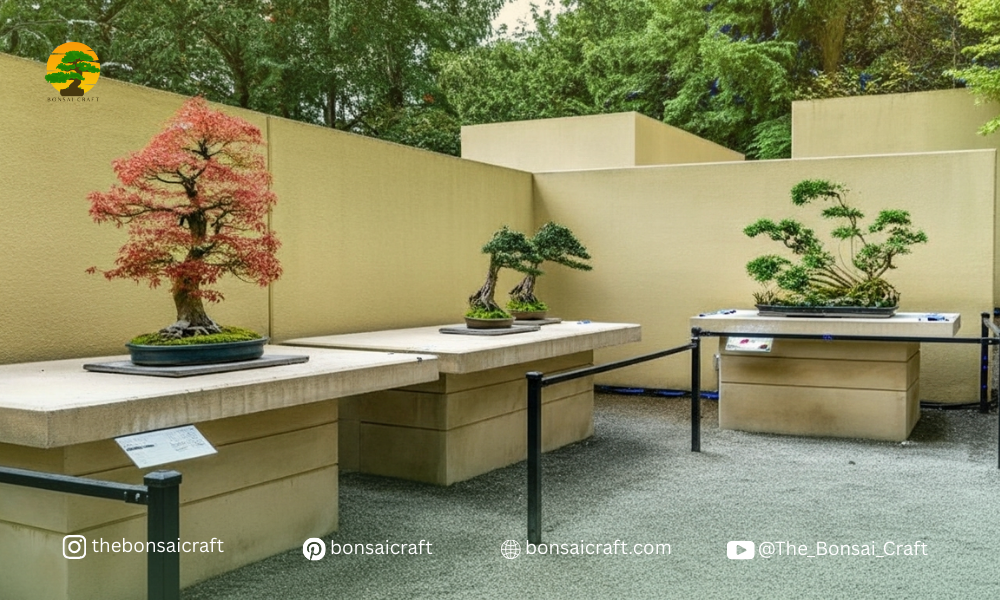
The Pacific Bonsai Museum is a nonprofit organization dedicated to conserving, exhibiting, and educating the public about the art of bonsai.
Established in 2010, the museum spans a thoughtfully designed 2.5-acre landscape that integrates bonsai into naturalistic outdoor settings called viewscapes. Its collection includes junipers, pines, maples, ficus, and other species, many of which are over a century old and shaped by master bonsai artists across generations. The museum serves not only as an exhibition space but also as a cultural archive that preserves bonsai traditions for the future.
Bonsai – More Than Just Trees
Bonsai is a living art form that blends horticulture, sculpture, and philosophy into a single disciplined practice.
Rather than simply growing small trees, bonsai artists intentionally shape form, movement, and proportion to express age, resilience, and natural landscapes in miniature. Through careful pruning, wiring, and root control, trees are guided slowly over many years. This process transforms ordinary plants into expressive representations of nature shaped by both time and human intention.
To fully grasp why bonsai is treated as a living art rather than a decorative plant, this in-depth guide on the history of bonsai trees explains the cultural and philosophical evolution behind the practice.
Bonsai as An Artistic Representation
Bonsai functions as an artistic representation of nature interpreted through long-term design and restraint.
Originating from the Chinese art of penjing and refined in Japan, bonsai emphasizes balance, negative space, and storytelling rather than realism. Each design decision, branch placement, trunk angle, or root exposure, contributes to the narrative the tree conveys. Over time, the bonsai becomes a collaborative artwork shaped by both natural growth and the artist’s vision.
The Philosophy Behind Bonsai
Bonsai reflects philosophical values centered on patience, impermanence, and harmony with nature.
Strongly influenced by Zen Buddhism, bonsai practice encourages mindfulness through repetitive and intentional care. Growers must observe seasonal changes closely and respond gently rather than force growth. As trees evolve over decades, bonsai becomes a reminder of life’s transient nature and the quiet beauty found in slow transformation.
The Pacific Bonsai Museum Collection: What to Expect
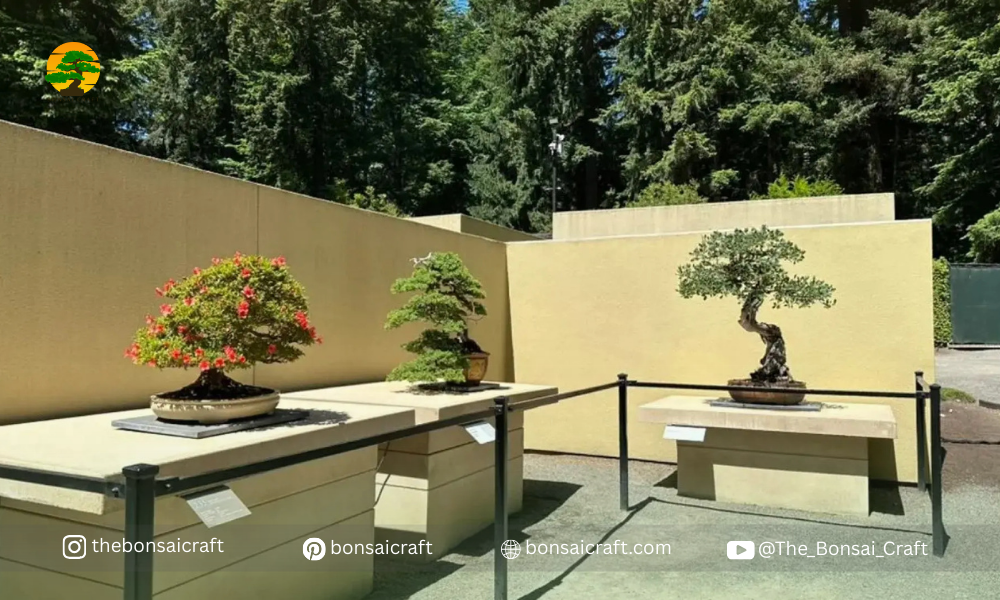
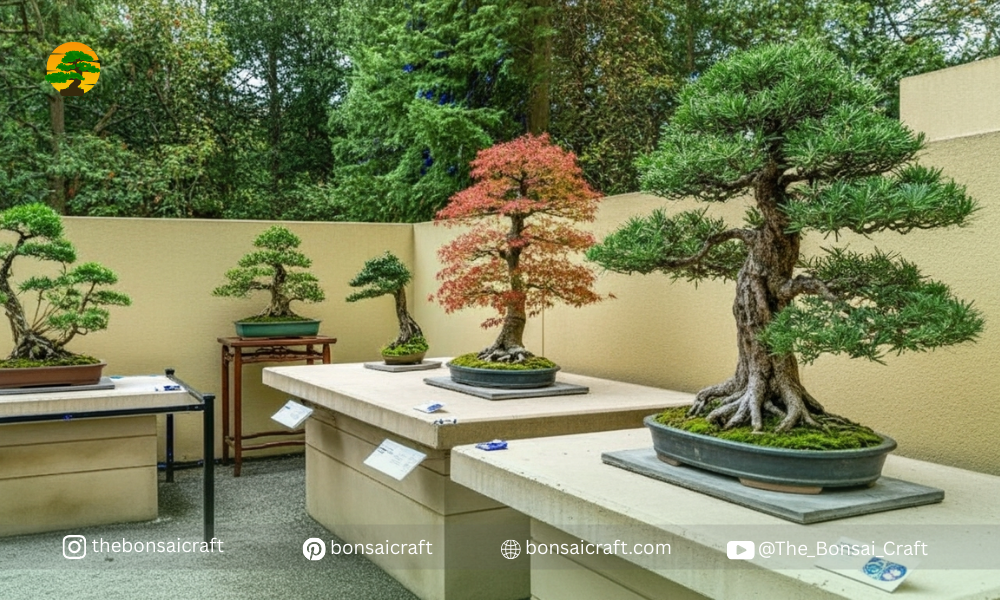
The Pacific Bonsai Museum collection presents a diverse range of bonsai species that highlight artistic mastery and botanical endurance.
Visitors encounter trees from different climates and traditions, each displayed to emphasize its unique character and history. Many specimens have been cultivated for generations, demonstrating how bonsai art transcends individual lifetimes. Informational signage explains species, age, styling techniques, and cultural background, enhancing the educational experience.
Ficus Retusa (The Old Giant)
Ficus retusa is a tropical bonsai species known for its aerial roots and powerful presence in miniature form.
Often referred to as a banyan fig, this tree demonstrates how massive forest species can be convincingly portrayed as bonsai. Its thick trunk, spreading canopy, and cascading roots create a sense of age and permanence while maintaining harmony within a confined space.
Ficus species are common in professional bonsai collections, and this ficus bonsai guide covering watering and pruning explains how tropical bonsai are maintained long-term.
Pine Bonsai
Pine bonsai represent longevity, strength, and resilience within traditional bonsai culture.
The pine specimens displayed at the museum feature rugged bark, dramatic trunk movement, and refined needle structure, many shaped over a century. Advanced techniques such as candle pruning and needle thinning highlight the technical skill required to maintain these trees and preserve their natural character.
Maple Bonsai
Maple bonsai are admired for their delicate branching and striking seasonal color transitions.
The Japanese maple bonsai at the museum displays vibrant red, orange, and yellow foliage in autumn, capturing seasonal change in miniature form. These trees emphasize impermanence, a core principle of bonsai philosophy, while showcasing refined structure and balance.
Juniper Bonsai
Juniper bonsai are valued for their adaptability and dramatic visual expression.
At the Pacific Bonsai Museum, junipers feature twisted trunks, exposed deadwood, and flowing branch lines that convey movement and survival. Their rugged appearance allows artists to express harsh natural environments such as cliffs and windswept mountains.
Rare and Historical Trees
Rare and historical bonsai trees at the museum function as living cultural artifacts.
Some specimens have been passed down through multiple generations of bonsai artists, carrying historical and artistic significance beyond their botanical value. The museum’s conservation efforts ensure these trees remain healthy while preserving the original artistic intent embedded in their design.
National Bonsai Museum
The National Bonsai Museum in Washington, D.C., serves as a major hub for bonsai preservation and education in the United States.
Located within the U.S. National Arboretum, it houses historically significant bonsai, including diplomatic gifts from Japan. Alongside the Pacific Bonsai Museum, it strengthens national appreciation of bonsai as a cultural art form.
Penjing Museum
The Penjing Museum highlights the Chinese origins of bonsai through landscape-focused miniature art.
Penjing emphasizes complete scenery using trees, rocks, water, and figurines. Understanding penjing provides valuable context for how bonsai evolved culturally and artistically across East Asia.
The Museum’s Role in Bonsai Conservation
The Pacific Bonsai Museum plays a vital role in conserving rare bonsai and sustaining long-term tree health.
Many bonsai specimens require specialized care to survive for generations. Through expert horticulture and public education, the museum promotes environmental awareness and responsible stewardship of living art.
Tours and Educational Programs
Educational programs at the Pacific Bonsai Museum support learning for visitors at all experience levels.
Guided tours, lectures, and structured workshops help explain bonsai history, techniques, and design principles while encouraging hands-on engagement.
Visitors inspired by workshops and demonstrations may find this guide on the best bonsai trees for beginners helpful for starting their own bonsai journey.
Bonsai Demonstration
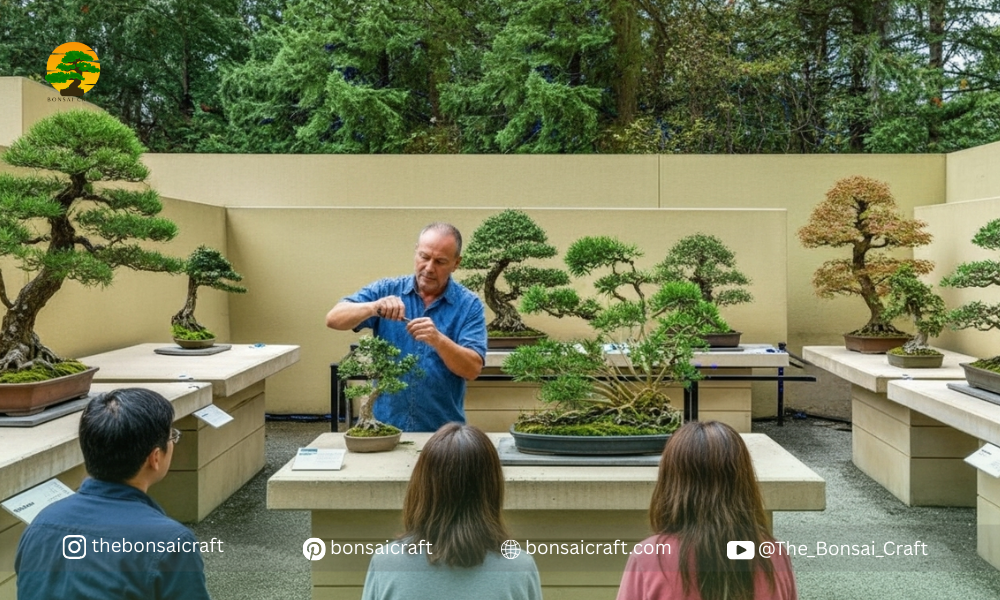
Live bonsai demonstrations provide insight into professional styling techniques performed in real time.
Visitors observe pruning, wiring, and shaping decisions that usually occur privately over years, gaining a deeper understanding of artistic judgment and craftsmanship.
Workshops and Classes
Workshops at the museum offer hands-on instruction in essential bonsai techniques.
Participants learn pruning, wiring, soil preparation, and repotting under expert guidance, enabling them to begin or refine their own bonsai practice confidently.
Other Activities
Seasonal exhibitions and cultural events enhance the museum experience throughout the year.
Artist talks, bonsai festivals, and international guest demonstrations broaden artistic perspectives and foster a vibrant bonsai community.
Where is the Pacific Bonsai Museum
The Pacific Bonsai Museum is located in Federal Way, Washington, near Seattle and Tacoma.
Its address at 2515 S 336th St places it in a peaceful yet accessible setting surrounded by natural beauty.
Location and Hours
The museum operates Tuesday through Sunday from 10:00 AM to 4:00 PM and is closed on Mondays.
These hours allow visitors to comfortably explore the outdoor bonsai displays during daylight.
Admission and Parking
Admission to the Pacific Bonsai Museum is free with a suggested donation of $12.
On-site parking is available at no cost, including designated accessible spaces for visitors with mobility needs.
Accessibility
The Pacific Bonsai Museum is fully accessible to visitors with disabilities and mobility challenges.
Wheelchair-friendly pathways and supportive staff ensure an inclusive experience for all guests.
Conclusion
The Pacific Bonsai Museum stands as a living bridge between art, nature, and cultural history.
Through its extraordinary collection, conservation initiatives, and educational programs, the museum offers more than visual beauty; it provides a meaningful, reflective experience rooted in patience and time. A visit is not merely a tour but an immersion into the enduring art of bonsai.
Frequently Asked Questions
How much time should I plan to spend at the Pacific Bonsai Museum?
Most visitors should plan to spend around 1 to 2 hours at the Pacific Bonsai Museum. This timeframe allows enough opportunity to explore the outdoor bonsai displays, read interpretive signage, and enjoy the peaceful landscaped grounds without rushing. Visitors attending workshops or live demonstrations may want to allocate additional time.
Is there an admission fee to visit the Pacific Bonsai Museum?
The Pacific Bonsai Museum offers free admission with a suggested donation of $12. This donation helps support bonsai conservation, educational programs, and long-term tree care. Free entry makes the museum accessible to everyone while still encouraging visitors to contribute to preserving this living art form.
Can I purchase bonsai trees directly from the Pacific Bonsai Museum?
The Pacific Bonsai Museum does not sell bonsai trees to visitors. Instead, the museum focuses on education and conservation, but staff members are happy to recommend reputable bonsai nurseries, artists, and resources where visitors can purchase healthy bonsai trees and proper bonsai tools.
Is the Pacific Bonsai Museum suitable for beginners and children?
The Pacific Bonsai Museum is very welcoming to beginners and family visitors, including children. Educational signage, guided tours, and hands-on workshops make the experience engaging and easy to understand. Children often enjoy observing the miniature trees, while beginners gain foundational knowledge about bonsai care and design.
When is the best time of year to visit the Pacific Bonsai Museum?
The Pacific Bonsai Museum can be visited year-round, but spring and fall are especially popular. During these seasons, many bonsai display fresh growth or vibrant autumn colors, enhancing visual appeal. Special events, such as BonsaiFEST and seasonal exhibitions, also make certain times of year particularly rewarding.