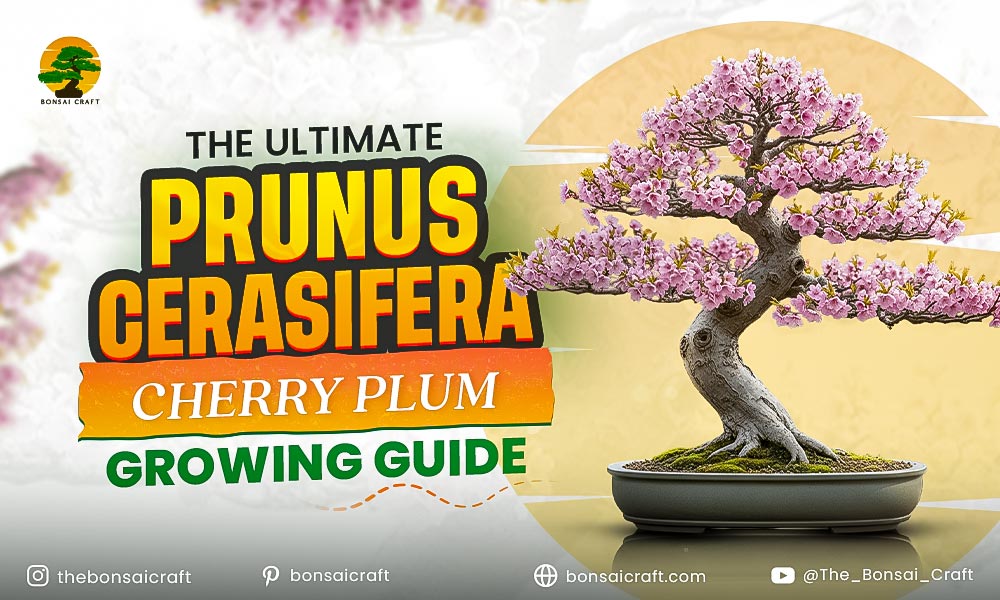
The Prunus cerasifera (Cherry Plum), also widely recognized as the myrobalan plum, is one of the most significant ornamental and fruit-bearing trees in the temperate world. As one of the first trees to announce the arrival of spring, the plum blossom tree canopy erupts into a cloud of delicate white or pink flowers long before most other species have even begun to bud. This early-flowering habit, combined with its diverse range of foliage colors, most notably the deep plum purple of the purple leaf plum tree, has made it a staple in landscape design for centuries. Beyond its ornamental value, the cherry plum serves as a vital genetic ancestor to many of our modern domesticated plums, lending its hardy characteristics and vigorous growth to various hybrids.
Cultivating a cherry plum tree requires a blend of horticultural precision and an appreciation for its natural history. Originally native to Southeast Europe and Western Asia, the Prunus cerasifera has naturalized across much of North America and the British Isles, proving its adaptability to diverse soil types and urban environments. Whether you are planting a thundercloud plum tree for its dramatic dark foliage or a flowering plum tree to attract pollinators to your orchard, understanding the specific environmental triggers for this Prunus tree is essential. From its nutritional profile and cherry plum calories to the intricate details of its rootstock use, this guide provides the expert-level depth needed to master this species.
In modern landscaping, the ornamental plum tree has evolved into several high-performance cultivars. The purple leaf plum varieties, such as ‘Nigra’ or ‘Newport’, are frequently utilized as focal points to provide high-contrast color against green backdrops. However, the tree is more than just a visual asset; the cherry plum benefits extend to wildlife support and even culinary uses. While some modern varieties are bred primarily for blossoms and foliage, the wild-type plum cherry produces small, tart fruits that are prized for jams and traditional sauces. This guide will walk you through every stage of the prunus lifecycle, ensuring your purple plum thrives for generations.
If you are comparing early-spring bloomers, you may also explore our detailed guide to Magnolia grandiflora care for another striking flowering specimen.
What is the Prunus cerasifera (Cherry Plum)?
Prunus cerasifera (Cherry Plum) is a deciduous small tree or large shrub known for being one of the first to bloom in spring with delicate white or pink flowers, followed by small, edible fruits. Reaching mature heights of 15 to 30 feet, this species is highly adaptable and serves as a foundational tree in both ornamental landscaping and commercial fruit production. While the wild species typically features green leaves, it is the cultivars with plum purple foliage, such as the purple leaf plum tree, that have become iconic in garden design for their year-round color.
Biologically, the Prunus cerasifera is a pioneer species, meaning it is often among the first to colonize open ground in its native regions of Southeast Europe and Western Asia. Its resilience is reflected in its widespread use as rootstock for other plum cherry tree varieties, providing them with enhanced vigor and soil adaptability. The plum blossom tree phase usually occurs in late February to March, providing one of the earliest nectar sources for bees. Because it is a member of the Rosaceae family, it shares characteristics with cherries and almonds, but its fruit, the cherry plums, is distinct for its smooth skin and sweet-tart flesh that clings to a central stone.
Understanding botanical distinctions between species is similar to identifying different types of bonsai trees, where cultivar selection determines long-term success.
How to Plant the Prunus cerasifera (Cherry Plum)
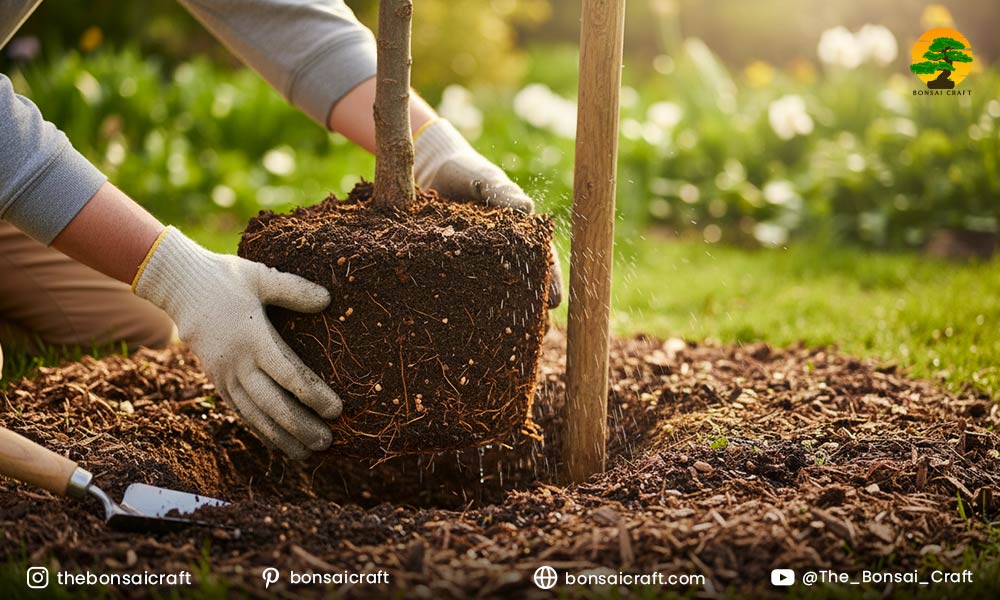
To plant Prunus cerasifera (Cherry Plum), you should select a site with full sun exposure and well-draining soil, digging a hole twice as wide as the root ball to encourage rapid establishment. Full sun is the most critical requirement for the purple leaf plum, as insufficient light will cause the deep plum purple foliage to fade into a muddy green color and will significantly reduce the number of flowers produced in the spring. While the tree is tolerant of various soil textures, including clay and loam, it thrives best when the pH is slightly acidic to neutral.
When placing the purple plum tree in its permanent home, ensure that the flare of the trunk, the point where the roots meet the stem, is exactly at or slightly above the soil line. Planting too deeply can lead to trunk rot and oxygen deprivation for the roots, which is a leading cause of failure for young ornamental plum tree specimens. After backfilling with native soil, provide a deep watering to settle the earth and remove air pockets. A two-inch layer of organic mulch around the base of the prunus tree, keeping it a few inches away from the bark, will help maintain moisture and suppress competing weeds during the first two growing seasons.
Soil structure and drainage are critical for root health. Review our expert breakdown of plant soil composition and drainage principles.
Thundercloud Plum Tree Care and Growth Habits
The thundercloud plum tree is a premier cultivar of the Prunus cerasifera species, celebrated for its intense, dark purple foliage that does not fade during the heat of summer. This specific purple plum variety grows at a moderate rate, typically adding 1 to 2 feet of height per year until it reaches a mature spread of about 20 feet. It is often chosen for urban gardens and suburban lawns because its disciplined, upright-spreading habit provides excellent shade without overwhelming smaller properties.
In early spring, the thundercloud plum tree produces a profusion of single pink flowers that emerge just before the plum purple leaves unfurl. This creates a stunning contrast that is highly valued in flowering plum tree displays. Because this cultivar is primarily ornamental, its fruit production is often lighter than that of the wild cherry plum, which many homeowners prefer to minimize garden litter. However, the energy the tree saves on fruiting is redirected into its vibrant leaf pigment, which is rich in anthocyanins that protect the delicate leaf tissues from UV damage.
For gardeners comparing compact ornamental trees, our article on Taxus baccata (English Yew) offers insight into evergreen structure and longevity.
Understanding Cherry Plum Flowers and Blossoms
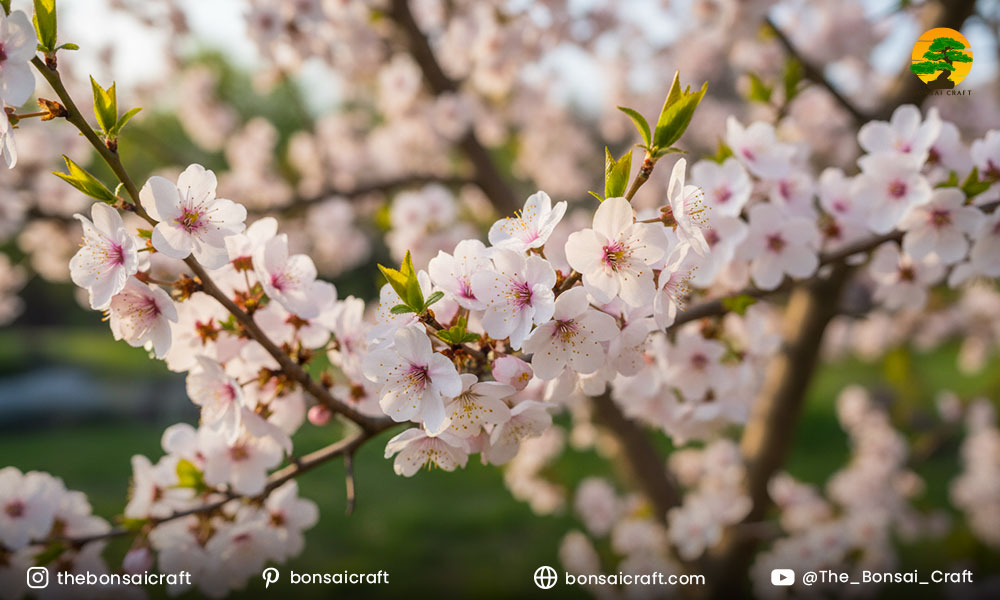
The plum blossom tree produces flowers that are typically 2 to 2.5 centimeters wide, appearing either singly or in small clusters before the leaves develop. These purple cherry blossoms or white blooms are five-petaled and feature a prominent spray of central stamens, giving them a delicate, airy appearance. The timing of the bloom is highly dependent on local temperatures; a sudden warm spell in late winter can trigger an early show, though this puts the blossoms at risk of damage from subsequent late-season frosts.
For the flowering plum, the transition from flower to foliage is a rapid process. As the petals fall, often creating a “snow” effect on the ground, the plum cherry begins to set fruit, and the terminal buds begin to push out the first leaves. In the case of the purple leaf plum, these initial leaves may appear bronze before maturing into their signature deep wine-red. Pollinators, particularly honeybees and solitary bees, are heavily reliant on these early flowers, making the cherry plum tree an essential component of a biodiversity-friendly garden.
Pruning and Maintaining Your Purple Plum Tree
The best time to prune a purple plum tree is in mid-summer, shortly after the tree has finished flowering and the risk of Silver Leaf disease is at its lowest. Unlike many deciduous trees that are pruned in winter, Prunus species are susceptible to fungal infections that enter through pruning cuts during the dormant season. By pruning in the summer, you allow the tree to use its active sap flow to seal wounds quickly. Focus on removing the “three Ds”: dead, damaged, or diseased wood, as well as any branches that cross through the center of the canopy.
Maintaining a purple leaf plum also involves managing “suckers”, vigorous shoots that grow from the base of the trunk or the rootstock. Because many ornamental plum tree varieties are grafted, these suckers will often have different foliage (usually green) and growth habits than the rest of the tree. If left unchecked, they can sap energy from the main canopy and eventually ruin the tree’s form. Regular thinning of the branches every 3 to 5 years will also help light penetrate the center of the plum cherry tree, ensuring the inner leaves maintain their plum purple color and preventing the interior from becoming a haven for pests.
Using clean, sharp equipment is essential; see our recommendations for bonsai tools for beginners to advanced growers, many of which apply to woody ornamentals.
Cherry Plum Calories and Nutritional Benefits (Per 100g)
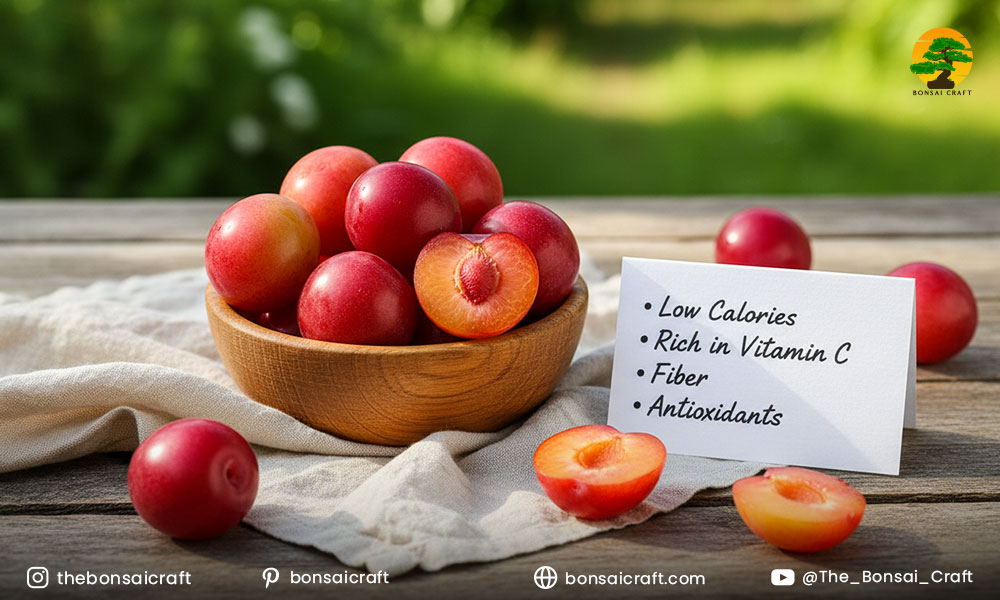
The fruit of the cherry plum is low in calories, typically containing about 46 to 50 cherry plum calories per 100 grams, while being exceptionally high in vitamins A and C. These small fruits are rich in dietary fiber and antioxidants, particularly phenols, which have been studied for their ability to combat oxidative stress. While the purple leaf plum tree is often grown for beauty, the wilder versions produce very cherry plums or verry cherry plums that are a staple in Eastern European cuisines, used to make tkemali, a tangy and savory sauce.
Beyond the raw numbers of cherry plum calories, the cherry plum benefits include significant amounts of potassium and vitamin K. The fruit can vary in flavor from extremely tart to pleasantly sweet, depending on the specific Prunus cerasifera cultivar and the ripeness of the fruit. For those interested in foraging or home orcharding, the plum cherry provides a unique harvest window that often precedes other stone fruits. However, it is important to note that, like all members of the Prunus genus, the pits contain small amounts of amygdalin and should never be consumed.
Common Pests and Diseases in Ornamental Plum Trees
The ornamental plum tree is susceptible to several common issues, including aphids, tent caterpillars, and the dreaded Black Knot fungus. Aphids are particularly attracted to the tender new growth of the purple plum, causing the leaves to curl and secrete a sticky honeydew that can lead to sooty mold. Most of these pests can be managed through the application of horticultural oils in the early spring or by encouraging natural predators like ladybugs into the garden.
Fungal diseases like Black Knot present as rough, coal-black swellings on the twigs and branches of the Prunus tree. If discovered, these must be pruned out immediately, cutting several inches below the visible knot to ensure all infected tissue is removed. Another common issue is “leaf spot,” which can cause premature leaf drop in purple leaf plum tree specimens during particularly wet summers. To minimize these risks, always ensure your plum cherry tree is planted with adequate spacing to allow for air circulation and avoid overhead watering that keeps the foliage damp.
Balanced feeding can also improve disease resistance. Explore our expert overview of bonsai fertilizer principles for woody plant nutrition guidance.
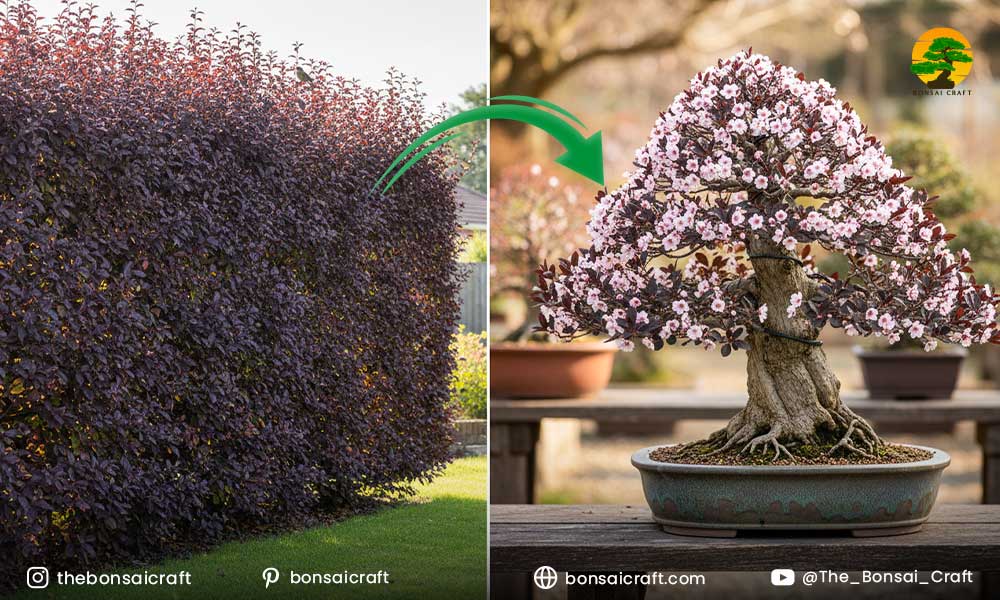
Adaptations Prunus cerasifera: From Hedges to Bonsai Use
The Prunus cerasifera is incredibly versatile and can be successfully adapted as a high-security hedge or a sophisticated bonsai specimen. When used for hedging, the cherry plum is often planted in a staggered double row; its fast growth rate and slightly thorny branches create a dense, impenetrable thicket that provides excellent nesting sites for birds. Regular shearing will keep the hedge at a manageable height while encouraging a thick wall of plum purple or green foliage.
In the art of bonsai, the cherry plum is valued for its rough, aged-looking bark and its ability to produce miniature plum blossom tree displays. Trainers often use the purple leaf plum to create striking “literati” or “informal upright” styles, where the dark foliage contrasts beautifully with traditional ceramic pots. Because the tree grows quickly, practitioners must be diligent with wire monitoring to prevent it from biting into the bark, and frequent pinching of the new shoots is required to maintain the scale of the miniature tree.
The Landscape Impact of the Purple Leaf Plum
The purple leaf plum acts as a powerful visual anchor in landscape design, providing a year-round color interest that few other deciduous trees can match. By integrating a purple plum tree into a garden bed, designers can create “color echoes” with other burgundy-toned plants or use it as a dark backdrop to make bright yellow or lime-green perennials pop. The thundercloud plum tree, in particular, is frequently used as a street tree due to its tolerant nature and the spectacular show it puts on each spring.
However, the lifespan of a purple leaf plum tree is relatively short compared to oaks or maples, typically spanning 20 to 30 years. This makes it an “interim” tree in a long-term landscape plan, providing immediate impact and shade while slower-growing species mature. Despite this shorter life, the sheer volume of plum cherry blossoms and the consistent intensity of the plum purple foliage make it an indispensable tool for creating dynamic, high-contrast outdoor spaces.
Who Should Plant Prunus cerasifera?
• Gardeners wanting early spring blooms
• Landscapers needing purple foliage contrast
• Homeowners seeking small ornamental trees
• Wildlife-friendly gardeners
• Bonsai enthusiasts
Frequently Asked Questions
Are cherry plums the same as regular plums?
No, cherry plums (Prunus cerasifera) are a distinct species characterized by their smaller, cherry-sized fruit and earlier blooming period. While they are closely related and have been used to breed many modern plum varieties, cherry plums are typically hardier and have a more tart flavor profile compared to the larger, sweeter Japanese or European plums.
Can you eat the fruit from a purple leaf plum tree?
Yes, the fruit from a purple leaf plum tree is edible, though it is often smaller and more tart than the fruit from green-leaved varieties. Many people use these purple leaf plum fruits for making jellies or wines, where the tartness can be balanced with sugar. Always ensure the tree has not been treated with systemic pesticides before consuming the fruit.
How much sun does a Thundercloud plum tree need?
A thundercloud plum tree requires at least six to eight hours of direct sunlight daily to maintain its deep purple leaf color. If planted in partial shade, the foliage will lose its intensity and may turn a dull green, and the tree will produce significantly fewer plum blossom flowers during the spring.
Why is my cherry plum tree not flowering?
The most common reasons a cherry plum tree fails to flower are insufficient sunlight, improper pruning timing, or a late spring frost that kills the buds. If you prune your flowering plum tree in late winter, you may accidentally remove the flower buds; additionally, if the tree is over-fertilized with nitrogen, it may focus on leaf production at the expense of blossoms.
How big does a purple plum tree get?
A standard purple plum tree usually reaches a mature height and spread of 15 to 25 feet, depending on the specific cultivar and growing conditions. Smaller varieties like the dwarf ornamental plum tree may only reach 10 feet, making them suitable for small urban courtyards or large containers.
Conclusion
The Prunus cerasifera (Cherry Plum) is a remarkable testament to the beauty and utility of the Prunus genus. From the breathtaking arrival of the plum blossom tree in the cold days of late winter to the deep, enduring plum purple of the summer foliage, this tree offers a multi-seasonal performance that few others can match. Whether you are focused on the harvest of very cherry plums, the nutritional cherry plum benefits, or simply the aesthetic appeal of a thundercloud plum tree, this species provides a robust solution for nearly any temperate garden.
By following the expert care guidelines, prioritizing summer pruning, ensuring full sun, and monitoring for common pests, you can ensure your purple leaf plum tree remains a vibrant and healthy centerpiece of your landscape. As a tree that bridges the gap between the wild orchard and the formal garden, the cherry plum remains a favorite in the world of horticulture.