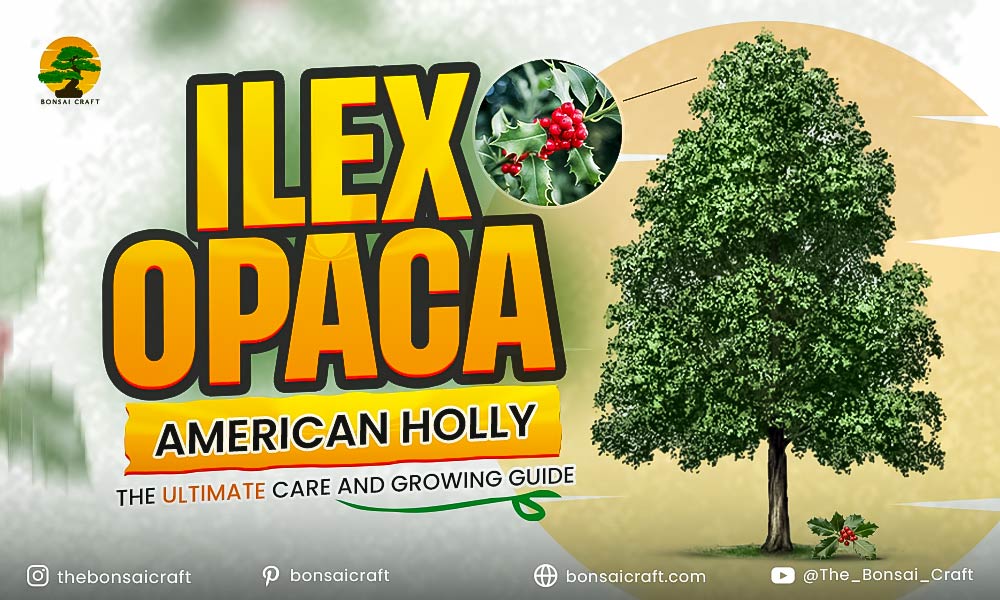
The American Holly (Ilex opaca) is a quintessential native evergreen that has defined the Eastern North American landscape for centuries. Known for its architectural elegance and vibrant winter fruit, the American Holly tree (Ilex opaca) serves as both a functional windbreak and a stunning ornamental specimen. Unlike many imported species, this native treasure is uniquely adapted to the fluctuating climates of the Atlantic coast and the Deep South, offering a level of resilience that makes it a favorite among conservationists and home gardeners alike.
Understanding the nuances of American Holly (Ilex opaca) care is essential for anyone looking to add structure and year-round color to their property. From the classic pyramidal form of the straight species to specialized cultivars like the Ilex opaca Satyr Hill, these trees offer a diverse range of aesthetic possibilities. Whether you are interested in its historical significance, its role in supporting local bird populations, or the specific Ilex opaca characteristics that set it apart from its European cousins, this guide provides the expert-level depth required to master the cultivation of this iconic tree.
For readers exploring evergreen trees with long-term landscape value, this complete bonsai care guide explains foundational practices such as soil management, pruning discipline, and seasonal maintenance that also apply to slow-growing species like American holly.
What is the Ilex opaca Scientific Name and Origin?
The Ilex opaca scientific name refers to a species in the Aquifoliaceae family that is indigenous to the United States, ranging from Massachusetts down to Florida and west into Texas. It was officially documented by European naturalists in the mid-1700s, though it had been utilized by Indigenous populations for generations prior. As a true native, American Holly is uniquely equipped to handle the humid summers and icy winters of its habitat, making it a far more sustainable choice for North American gardens than the English Holly (Ilex aquifolium).
The tree’s history is deeply intertwined with American culture. It was famously admired by George Washington, who planted several specimens at Mount Vernon, some of which still stand today. Today, the American Holly (Ilex opaca) is recognized as the state tree of Delaware and remains a staple of holiday traditions, where its evergreen branches symbolize endurance and life during the shortest days of the year.
To better understand how native hollies differ from related species, this inkberry holly (Ilex glabra) care guide highlights key contrasts in growth habit, berry production, and landscape use.
What are the Primary Ilex opaca Characteristics?
The most recognizable Ilex opaca characteristics include its dull, leathery green leaves with sharp spiny margins and its smooth, light gray bark. Unlike the glossy, plastic-like sheen of many hybrid hollies, the foliage of the American Holly (Ilex opaca) has a matte finish that provides a more naturalistic look in the landscape. The tree is dioecious, meaning it carries male and female flowers on separate plants; only the females will produce the iconic red berries (drupes), and only if a male tree is nearby to provide pollen via bees and other insects.
Structurally, the tree typically maintains a symmetrical, pyramidal shape that requires very little intervention to look polished. In the wild, the Ilex opaca tree can reach heights of 60 feet, but in most residential settings, it tops out between 15 and 30 feet. The wood is exceptionally white and fine-grained, historically prized for inlay work in fine furniture and even for the white keys on pianos.
Because leaf texture, growth habit, and evergreen density vary widely among species, this guide to types of bonsai trees offers helpful context on how different evergreen forms are classified and trained.
How Fast is the Ilex opaca Growth Rate?
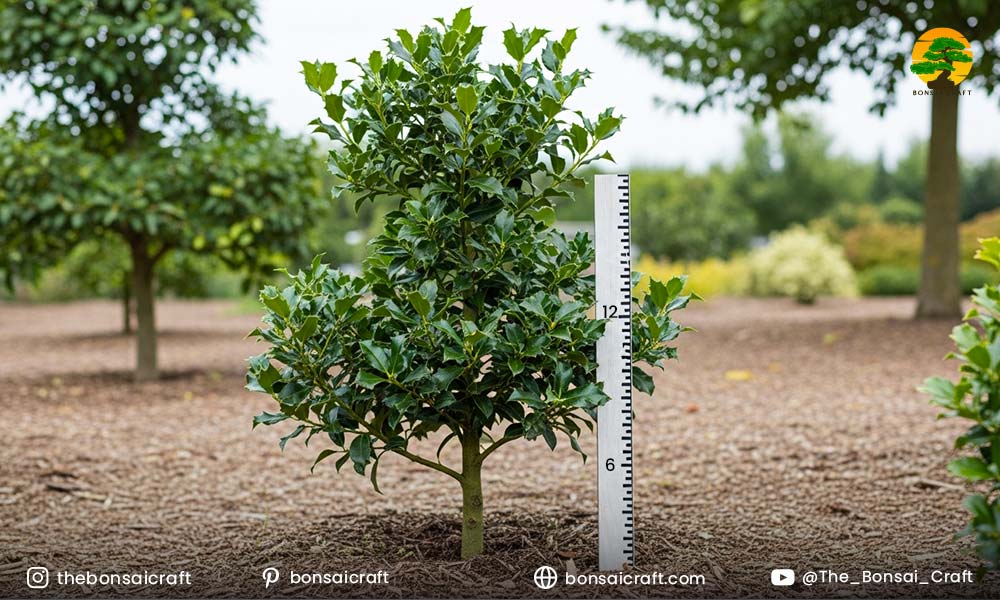
The Ilex opaca growth rate is categorized as slow to moderate, typically averaging between 6 and 12 inches of vertical height per year. This measured pace is a result of the tree’s tendency to invest heavily in its root system and dense wood structure during its early years. While some may find the slow progress frustrating, it results in a much heartier and more long-lived specimen that is less prone to storm damage or limb breakage compared to fast-growing, “weedy” species.
Environmental factors heavily influence how quickly your American Holly reaches maturity. Trees planted in optimal conditions, specifically acidic, well-drained soil with consistent moisture, will lean toward the 12-inch mark. Conversely, trees struggling with alkaline soil or extreme drought may only grow a few inches annually. Choosing a vigorous cultivar, such as the Ilex opaca Greenleaf, can sometimes result in slightly faster establishment than the straight species.
Why is Ilex opaca Satyr Hill a Preferred Cultivar?
The Ilex opaca Satyr Hill is widely considered the “gold standard” of American Holly cultivars due to its superior berry production and exceptionally dark, lustrous foliage. This female clone was discovered in Maryland and was named the “Holly of the Year” in 2003 by the Holly Society of America. It is favored by landscapers because it maintains a very tight, uniform pyramidal habit and produces large, bright red berries that persist well into late winter.
If you are looking for the most “photogenic” version of the American Holly, Satyr Hill is the top choice. It is notably more resistant to leaf spot than other varieties and handles the heat of the South just as well as the cold of the Northeast. For best results, ensure a male pollinator is planted within 50 feet to maximize the berry yield that this cultivar is famous for.
Is Ilex opaca Maryland Dwarf Right for Small Spaces?
The Ilex opaca Maryland Dwarf is a unique, low-growing variety that offers the beauty of the holly without the towering height, making it perfect for foundation plantings or small urban gardens. Unlike the standard Ilex opaca tree, which reaches for the sky, the Maryland Dwarf grows into a broad, mounded shrub that rarely exceeds 3 feet in height but can spread up to 10 feet wide. This allows gardeners to enjoy the classic spiny foliage in areas where a full-sized tree would be obstructive.
Despite its diminutive size, it retains all the hardy qualities of the American Holly tree. It is a female cultivar, so it will produce berries, though they are often tucked away within the dense interior of the shrub. It serves as an excellent evergreen groundcover or a structural element in a rock garden, providing a “living sculpture” feel that requires almost zero pruning.
What is the Best Environment for Ilex opaca Greenleaf?
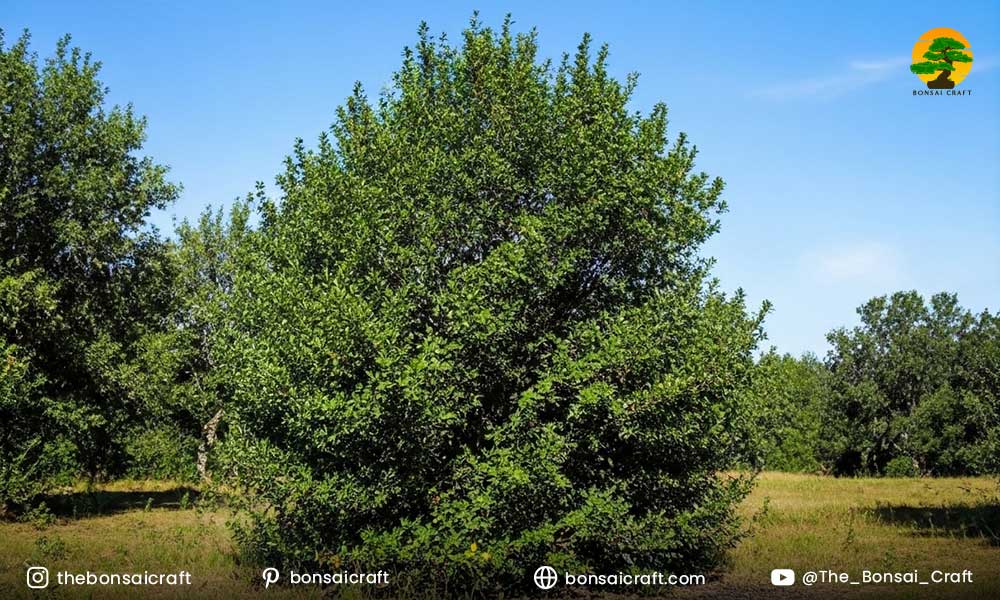
The Ilex opaca Greenleaf cultivar thrives in environments where it can serve as a dense, fast-establishing screen or hedge. This variety is prized for its pyramidal form that is slightly more elongated and “pointy” than the straight species, and its foliage is a brighter, more vibrant green. It is an excellent choice for homeowners who want to create a natural privacy fence that remains lush and green throughout the winter.
To get the most out of an Ilex opaca Greenleaf, plant it in a location that receives full sun to partial shade. While it is adaptable, the “Greenleaf” variety shows its best color and densest growth when it gets at least six hours of direct sunlight. Like all American Holly (Ilex opaca) varieties, it demands acidic soil; if your soil is neutral or alkaline, you will need to supplement with acidifying fertilizers to prevent the leaves from turning a sickly yellow.
What are the Essential Care Tips for American Holly (Ilex opaca)?
Caring for the American Holly (Ilex opaca) requires a focus on soil chemistry and moisture management to ensure the tree remains vibrant. The most critical factor is soil pH, which should ideally sit between 4.5 and 6.5. If the soil is too “sweet” (alkaline), the tree cannot absorb iron, leading to a condition called chlorosis. Regularly mulching with pine needles or leaf mold can help maintain the acidity naturally while also protecting the tree’s shallow root system from temperature extremes.
Watering is equally vital, especially during the first two years after planting. While a mature Ilex opaca is relatively drought-tolerant, young trees need deep, weekly waterings to establish themselves. Avoid overhead irrigation if possible, as wetting the foliage can encourage fungal diseases like leaf spot. Instead, use a soaker hose at the base of the tree to keep the soil moist but never waterlogged.
How to Use American Holly in Landscaping?
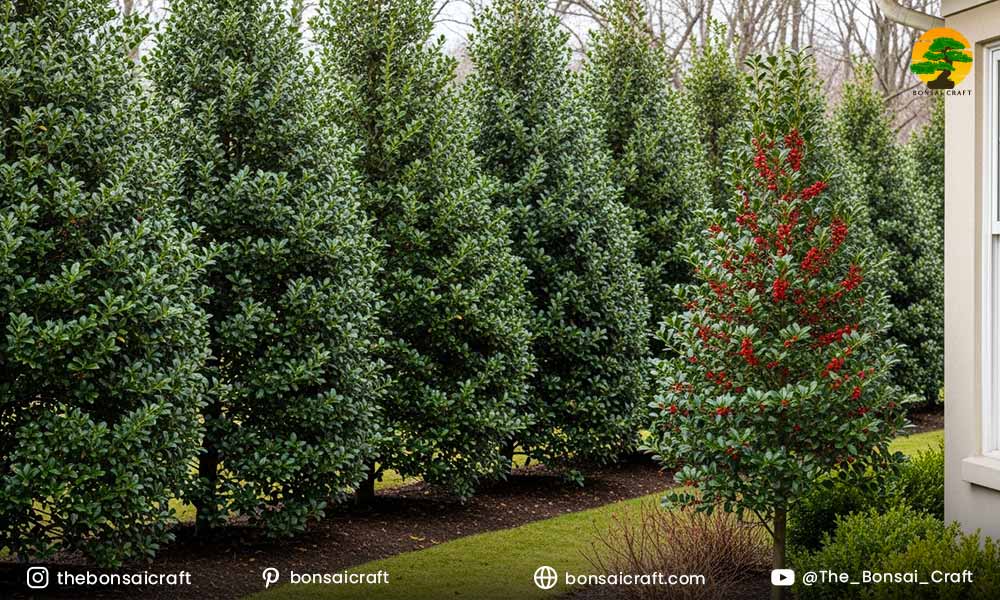
In professional landscaping, the American Holly is utilized as a versatile workhorse, functioning as a specimen tree, a privacy buffer, or even a windbreak. Because of its dense, evergreen nature, a row of these trees can significantly reduce noise pollution and block harsh winter winds. When used as a specimen, it should be placed where its winter berries can be admired from a window, providing a splash of color when the rest of the garden is dormant.
For those interested in specialized gardening, the Ilex opaca characteristics make it a fascinating candidate for bonsai or topiary. Its slow growth rate allows for precise shaping, though its spiny leaves require a careful hand. Whether you are planting a massive Ilex opaca tree as a legacy plant for future generations or using the Ilex opaca Maryland Dwarf to frame a walkway, the species adds an air of permanence and “old-world” charm to any property.
Frequently Asked Questions
Do I need two trees to get berries on my Ilex opaca?
Yes, you generally need both male and female trees to produce berries because Ilex opaca is dioecious. The female tree produces the fruit, but it requires a male tree nearby (usually within 50 to 100 feet) to provide pollen. One male tree can typically pollinate several females in the immediate area.
What is the best time of year to plant an American Holly?
The best time to plant an American Holly tree (Ilex opaca) is in the early spring or late autumn when the weather is cool. Planting during these dormant or semi-dormant periods allows the roots to establish themselves without the stress of summer heat. Avoid planting in the heat of mid-summer or the dead of winter.
Why are there yellow spots on my holly leaves?
Yellow spots or serpentine trails are often caused by the holly leaf miner, a common pest of Ilex opaca (American Holly). The larvae of a small fly tunnel between the leaf layers, creating visible damage. While rarely fatal, heavy infestations can be treated with systemic insecticides or by simply removing and destroying affected leaves.
Can I prune my American Holly into a formal shape?
Yes, you can prune an American Holly (Ilex opaca) into formal shapes or hedges, but it is best done in late winter. Because the tree grows slowly, any aggressive pruning will take a long time to fill back in. Most experts recommend minimal pruning to preserve the tree’s natural, elegant pyramidal form.
How deep should the mulch be around my Holly tree?
You should apply a layer of mulch approximately 2 to 3 inches deep around your Ilex opaca, extending out to the drip line. Be very careful not to let the mulch touch the actual trunk of the tree, as this “mulch volcano” can trap moisture against the bark and cause rot. Proper mulching helps retain moisture and keeps the soil acidic.
Conclusion
The Ilex opaca (American Holly) stands as a testament to the beauty and endurance of North American flora. By selecting the right cultivar, whether it be the berry-heavy Ilex opaca Satyr Hill, the vibrant Ilex opaca Greenleaf, or the space-saving Ilex opaca Maryland Dwarf, you can tailor this species to fit almost any landscape need. With its slow but steady Ilex opaca growth rate and its iconic Ilex opaca characteristics, this tree is more than just a plant; it is a long-term investment in the biodiversity and aesthetic value of your home. Provide it with acidic soil, consistent moisture, and a bit of patience, and the American Holly tree (Ilex opaca) will reward you with a lifetime of evergreen beauty.
Would you like me to help you find a reputable nursery that stocks these specific American Holly cultivars in your region?