Ficus microcarpa is widely regarded as one of the most beginner-friendly trees for indoor growing and bonsai cultivation due to its strong adaptability, forgiving nature, and attractive appearance. For new growers, it offers the rare combination of visual maturity and low maintenance, allowing mistakes without severe consequences. Unlike fragile bonsai species that demand precise seasonal timing, ficus microcarpa grows steadily year-round in indoor environments, making it ideal for modern homes and first-time bonsai enthusiasts.
This guide explains what ficus microcarpa is, how to care for it properly, why the ginseng form is so popular, and how beginners can avoid common mistakes, all while following proven horticultural principles used by experienced growers.
Beginners who want a broader understanding of bonsai fundamentals before focusing on ficus species can explore this complete bonsai care guide, which explains watering balance, pruning basics, and long-term bonsai maintenance.
What Is a Ficus Microcarpa Plant?
Ficus microcarpa is a tropical evergreen fig tree known for its glossy foliage, strong woody structure, and ability to thrive in containers. In its natural habitat, ficus microcarpa grows as a large shade tree, often developing wide canopies and extensive root systems. However, when grown indoors or in pots, its growth becomes compact and controllable. This adaptability is what makes it so valuable as a houseplant and bonsai species.
For beginners, Ficus microcarpa provides an excellent learning platform. It reacts clearly to care conditions, such as light, water, and temperature, making it easier to understand plant signals. This feedback loop helps new growers gain confidence while developing proper plant-care habits.
What Is a Ficus Microcarpa Ginseng?
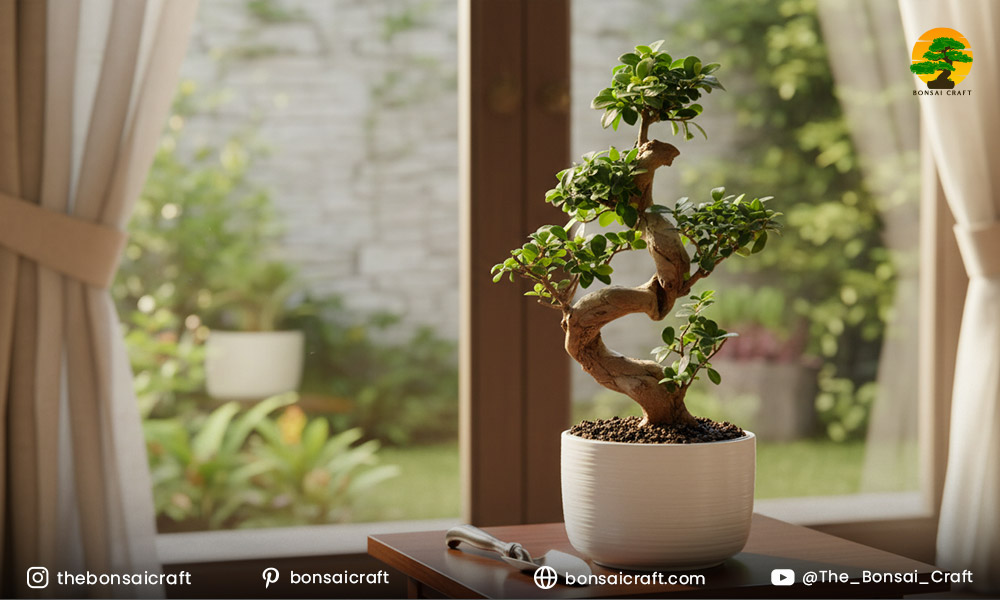
Ficus microcarpa ginseng is a cultivated form with thick, exposed roots that create a mature bonsai appearance even in young plants. The ginseng form is produced by growing the rootstock for several years until it develops swollen, sculptural roots. These roots are then grafted with foliage growth, resulting in the distinctive look seen in most commercial bonsai ficus plants. This is why ficus microcarpa ginseng often looks “old” despite being relatively young.
For beginners, this form removes the pressure of creating an aged appearance from scratch. Even without advanced wiring or carving, the tree already has visual character, making it an ideal starting point for bonsai training.

Ficus Microcarpa Tree Overview & Natural Growth Habit
In nature, Ficus microcarpa grows vigorously with spreading branches, aerial roots, and long lifespans. This species is native to warm, humid regions of Asia and the Pacific, where it thrives year-round without dormancy. Outdoors, it can grow aggressively, sending roots across large areas in search of water and stability. Indoors and in bonsai pots, however, its growth is naturally restricted by space and root volume.
Understanding this natural vigor is important. The plant’s strength explains why it tolerates pruning so well and why it recovers quickly after shaping. Rather than weakening the tree, correct pruning actually channels its energy into controlled growth.
Ficus Microcarpa Leaves: Shape, Color & Common Changes
Healthy ficus microcarpa leaves are firm, oval, and deep green, while changes usually indicate environmental stress. Leaf behavior is one of the clearest indicators of plant health. Yellowing leaves often point to excess moisture or poor drainage, while sudden leaf drop is commonly triggered by changes in light, temperature, or location. This reaction is typical for ficus species and does not usually mean the plant is dying.
Beginners should understand that Ficus microcarpa prefers stability. Once placed in a suitable location, frequent movement should be avoided. When conditions are consistent, new leaves typically replace lost ones within weeks.
Ficus Microcarpa Ginseng Bonsai: Why It’s Perfect for Beginners
Ficus microcarpa ginseng bonsai is ideal for beginners because it combines resilience with instant visual appeal. Many bonsai species require years of training before they look refined. In contrast, Ficus microcarpa ginseng already has a thick trunk and exposed roots that create a mature look from day one. This allows beginners to focus on learning care fundamentals instead of worrying about advanced styling.
Additionally, this species responds well to pruning and branch reduction. Mistakes that might permanently damage other bonsai trees are usually recoverable with ficus microcarpa, making it a low-risk learning tool.
How to Take Care of a Ficus Microcarpa Ginseng (Complete Guide)
Successful ficus microcarpa care depends on consistent light, controlled watering, and a breathable soil system.
Light Requirements for Healthy Ficus Microcarpa Growth
Bright, indirect light supports strong growth and compact foliage. Ficus microcarpa grows best near windows where it receives steady daylight without harsh direct sun. Insufficient light leads to slow growth and sparse leaves, while intense direct sun can scorch foliage. A stable light source encourages balanced growth and reduces stress-related leaf drop.
Watering Schedule for Ficus Microcarpa Ginseng
Water only when the top layer of soil begins to dry, not on a fixed schedule. Overwatering is the most common cause of problems. Roots need oxygen as much as water, and constantly wet soil suffocates them. Beginners should learn to check soil moisture by touch rather than relying on calendar-based watering routines.
Since watering errors are the most common issue with indoor ficus, this resource on the importance of bonsai tree watering helps clarify how moisture control supports root health and leaf stability.
Best Soil Mix for Ficus Microcarpa Bonsai
Fast-draining soil protects roots and promotes long-term health. A bonsai soil mix with good airflow prevents compaction and allows excess water to escape quickly. Heavy or clay-based soils retain too much moisture and should always be avoided for Ficus bonsai.
Choosing the correct soil mix is critical for long-term success, and this guide on bonsai plant soil explains how drainage and airflow protect ficus roots from rot.
Temperature & Humidity Needs for Indoor Growth
Warm, stable temperatures keep Ficus microcarpa growing year-round. This species prefers temperatures above 15°C (60°F) and does not tolerate cold drafts. While it can survive average indoor humidity, moderate humidity improves leaf quality and reduces stress during dry seasons.
How to Prune Ficus Microcarpa Ginseng for Shape & Health
Pruning controls size, improves structure, and strengthens branch development.
When Is the Best Time to Prune Ficus Microcarpa?
Active growth periods allow the fastest recovery from pruning. Late spring through summer is ideal because the plant heals quickly and produces new growth. Light maintenance pruning can be done year-round indoors, but heavy cuts should be avoided during cooler months.
Common Pruning Mistakes Beginners Should Avoid
Removing too much foliage at once weakens the plant. Beginners often prune aggressively in an attempt to shape the tree quickly. Instead, gradual pruning encourages denser branching and reduces stress. Always leave enough leaves to support recovery.
Growers interested in shaping ficus branches beyond basic pruning can follow this step-by-step bonsai wiring guide to train structure safely without stressing the plant.
Ficus Microcarpa Propagation Methods Explained
Ficus microcarpa is easy to propagate, making it excellent for practice and experimentation.
How to Propagate Ficus Microcarpa from Cuttings
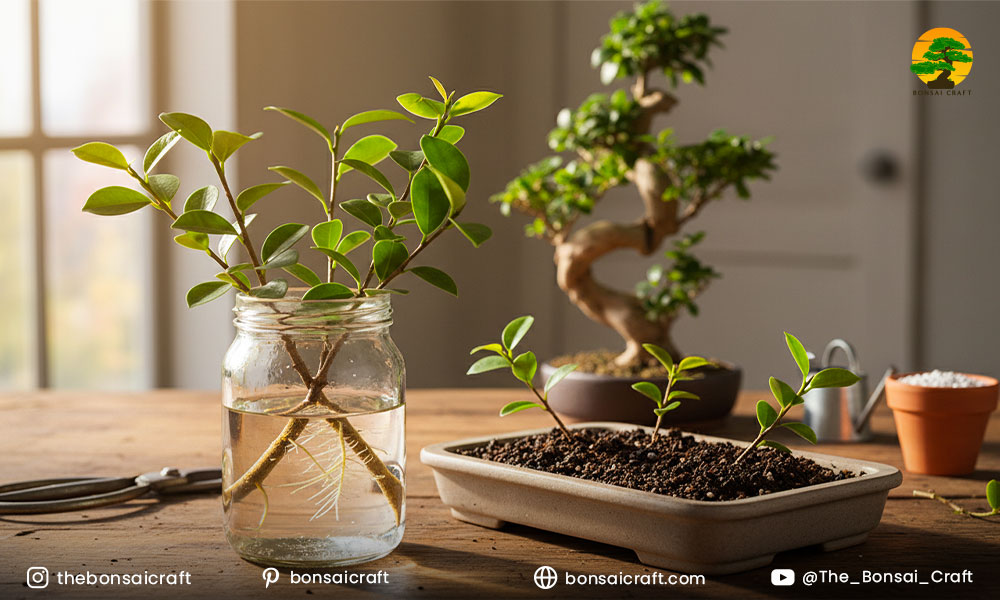
Stem cuttings root reliably in warm, humid conditions. Healthy cuttings placed in water or moist soil usually develop roots within a few weeks. This allows growers to produce new plants or practice bonsai shaping without risking the original tree.
Growing Ficus Microcarpa from Seeds
Seed propagation is rare and impractical for home growers. In nature, seed production depends on specialized pollination processes, which is why cuttings are the preferred method for cultivation.
Ficus Microcarpa Fruit: Appearance, Color & Meaning
Ficus microcarpa produces small, dark fig-like fruits that rarely appear indoors. These fruits are not edible and do not provide ornamental value for indoor growers. Their presence or absence does not indicate plant health.
Ficus Microcarpa Benefits for Home & Bonsai Growers
This species offers durability, adaptability, and long-term artistic potential. Ficus microcarpa serves both as a decorative indoor plant and a lifelong bonsai project. Its forgiving nature helps beginners build confidence while still offering room for advanced refinement over time.
Is Ficus Microcarpa Toxic to Cats and Pets?
Ficus microcarpa is toxic if ingested, and its sap may irritate. Pet owners should keep the plant out of reach and wash their hands after pruning. Awareness of toxicity is essential for responsible indoor plant care.
Common Problems With Ficus Microcarpa and How to Fix Them
Most problems result from care imbalance rather than disease.
Leaf Drop, Yellowing, and Slow Growth Issues
Correcting light, watering, and temperature usually restores health. Stability is more important than perfection. Once conditions are consistent, Ficus microcarpa typically recovers on its own.
Indoor vs Outdoor Care for Ficus Microcarpa Bonsai
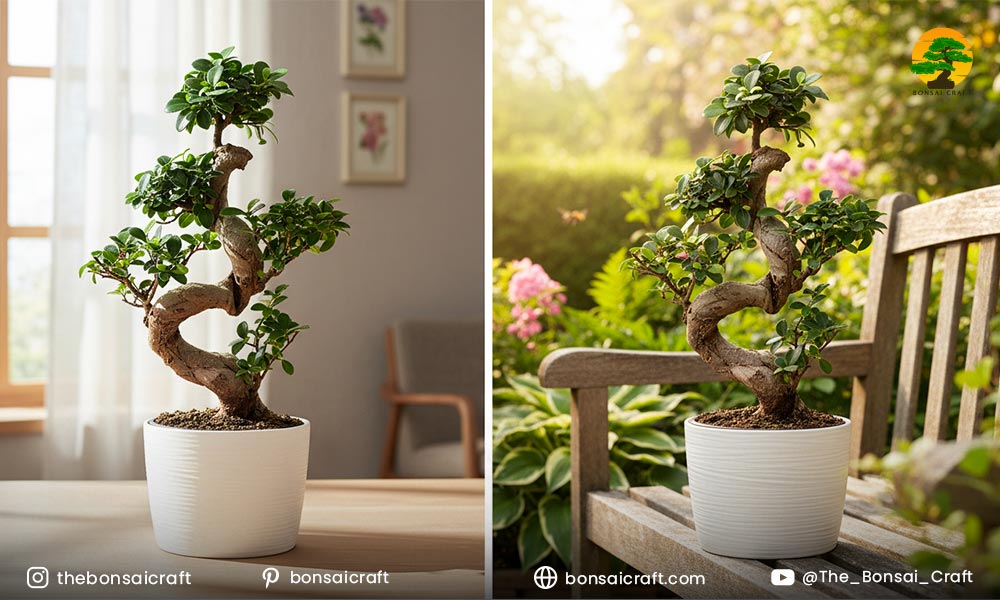
Indoor care offers year-round stability, while outdoor exposure is optional in warm climates. In temperate regions, indoor growing is safest. Short outdoor periods during warm months can enhance growth if temperatures remain stable.
Conclusion
Ficus microcarpa ginseng is one of the most reliable and beginner-friendly choices for indoor bonsai and ornamental tree care. Its natural resilience, adaptability to indoor environments, and strong response to pruning make it ideal for growers at any experience level. With consistent light, proper watering, and occasional pruning, this plant can remain healthy and visually impressive for many years, making it a long-term companion rather than a short-term decorative plant.
Ready to start your bonsai journey with confidence?
Explore more beginner-friendly bonsai care guides, pruning tips, and expert insights on Bonsai Craft to help your ficus microcarpa thrive long-term. Follow our step-by-step resources and grow a healthier, more beautiful bonsai with proven techniques trusted by growers worldwide.
Frequently Asked Questions About Ficus Microcarpa Ginseng
Is Ficus microcarpa ginseng good for beginners?
Yes, ficus microcarpa ginseng is excellent for beginners because it is hardy, forgiving, and easy to maintain indoors. It tolerates minor watering and pruning mistakes, adapts well to indoor light conditions, and does not require advanced bonsai skills to stay healthy and attractive.
How often should I water Ficus microcarpa ginseng?
You should water Ficus microcarpa ginseng only when the topsoil feels slightly dry. Overwatering is the most common problem, as soggy soil can damage roots, while controlled watering with proper drainage helps maintain steady growth and prevents stress-related leaf issues.
Can ficus microcarpa ginseng live all year indoors?
Yes, ficus microcarpa ginseng can live all year round without any issues. As a tropical evergreen, it does not need outdoor dormancy and thrives in stable indoor temperatures, bright indirect light, and consistent care throughout every season.
Why are my Ficus microcarpa ginseng leaves falling off?
Ficus microcarpa ginseng leaves usually fall off due to environmental stress rather than disease. Common triggers include sudden changes in light, temperature fluctuations, overwatering, or frequent moving of the plant, and leaf drop often stops once conditions stabilize.
Does ficus microcarpa ginseng need regular pruning?
Yes, ficus microcarpa ginseng needs regular light pruning to maintain its shape and health. Pruning encourages compact growth, improves branching, and prevents the plant from becoming leggy, which is especially important for bonsai and long-term indoor cultivation.
