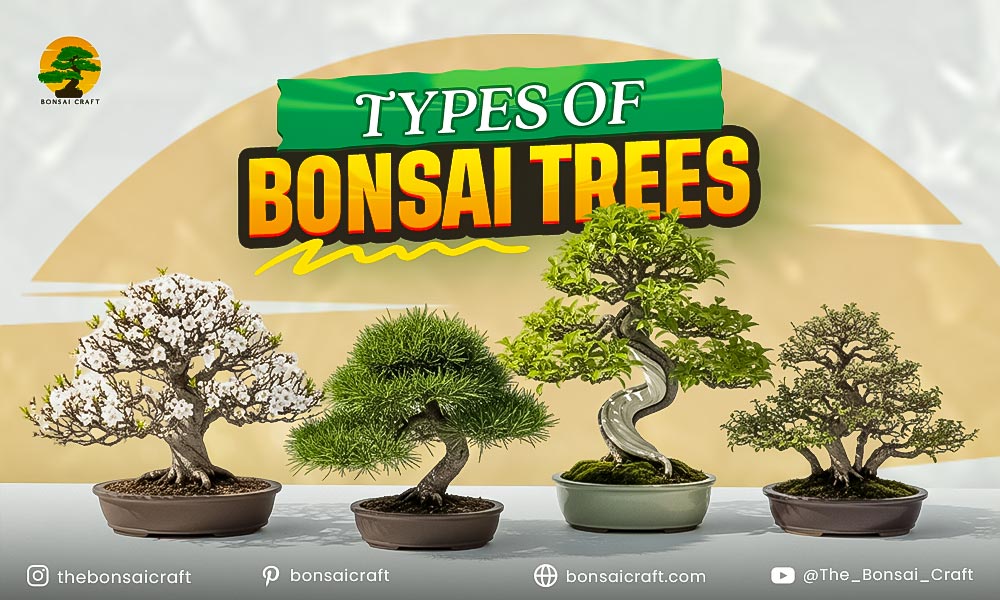
Did you know that bonsai comes in a variety of shapes and sizes? Bonsai trees are formally classified by size and by style, and these two systems determine both cultivation techniques and aesthetic structure. Although all bonsai trees follow the core principle of growing woody plants in shallow containers, traditional Japanese bonsai classification provides standardized height ranges and clearly defined bonsai styles used in exhibitions and professional bonsai education.
The modern bonsai system was refined in Japan, evolving from the earlier Chinese art of penjing. While penjing often includes figurines and miniature landscape storytelling, Japanese bonsai trees focus more on tree structure, emphasizing trunk taper, nebari (surface roots), ramification (branch development), and overall proportion. This distinction helped shape the formal bonsai tree styles recognized today.
Understanding bonsai size categories and bonsai tree styles before starting bonsai cultivation is essential because tree height directly affects root mass, watering frequency, soil volume, and long-term bonsai care. Style determines trunk orientation, branch placement, apex structure, and the visual balance of the bonsai plant. A bonsai tree is not simply a small decorative plant, it is a deliberately trained miniature tree designed to reflect natural growth patterns shaped by wind, gravity, light, and time.
Not every plant grown in a shallow pot qualifies as a true bonsai tree. A real bonsai must show maturity in miniature form, correct proportions, visible trunk taper, and evidence of long-term pruning and root training. Respecting seasonal growth cycles and species-specific bonsai care requirements is fundamental to sustainable bonsai cultivation.
If you’re new to cultivation fundamentals, our complete bonsai care guide explains watering, soil, pruning, and seasonal maintenance in detail.
Type of Bonsai Tree According to Size
Bonsai size categories are determined by the tree’s height from soil level to apex and directly influence cultivation complexity.

Shito or Keshitsubu Bonsai (Under 5 cm)
Shito bonsai, also known as Keshitsubu bonsai, measure less than five centimeters in height. These are the smallest bonsai trees in the world and are extremely rare. Because of their very limited soil volume, miniature bonsai in this category require precise watering and careful root management. They are often grown from seeds or young cuttings and typically have minimal branch structure due to their compact size.
You can see remarkable examples of micro-scale trees in our showcase of the smallest bonsai trees in the world.

Mame Bonsai (Up to 15 cm)
Mame bonsai trees do not exceed 15 centimeters in height. The name “mame” reflects their small size, often described as fitting in the palm of the hand. These small bonsai dry out quickly compared to larger bonsai trees, which makes consistent watering and attentive bonsai care essential.
Because watering precision is critical at this scale, understanding the importance of bonsai tree watering becomes essential.

Shohin Bonsai (15–25 cm)
Shohin bonsai are one of the most popular bonsai size categories, ranging between 15 and 25 centimeters in height. Shohin bonsai trees strike a balance between compact size and sufficient trunk development. Because they are easier to manage than ultra-mini bonsai, Shohin are often recommended for beginners learning bonsai techniques.

Komono or Kotate Mochi Bonsai (21–30 cm)
Komono bonsai measure between 21 and 30 centimeters. This size allows better trunk thickening and branch ramification compared to smaller bonsai types. Many growers prefer Komono bonsai because they offer design flexibility while remaining manageable in standard bonsai pots.

Chumono Bonsai (30–60 cm)
Chumono bonsai trees measure between 30 and 60 centimeters in height. These medium-sized bonsai often represent many years of structured pruning, wiring, and careful bonsai styling. Their larger root system provides more stability in watering compared to small bonsai varieties.
Container selection becomes more flexible at this size. See our bonsai pot selection guide for sizing recommendations.

Omono Bonsai (60–120 cm)
Omono bonsai range between 60 and 120 centimeters. These large bonsai trees resemble small landscape trees growing in containers. Omono bonsai are commonly displayed outdoors in patios or gardens due to their size and visual presence.

Hachi-uye Bonsai (Over 130 cm)
Hachi-uye bonsai exceed 130 centimeters and represent the largest bonsai tree size category. These giant bonsai require substantial container depth and long-term structural planning. Due to their scale, they are typically found in advanced collections or bonsai exhibitions.
Bonsai Style Classification Guide
Bonsai style classification is based on trunk direction, branch arrangement, and overall silhouette, forming the foundation of traditional bonsai tree design.

Chokkan (Formal Upright Bonsai Style)
Chokkan is the formal upright bonsai style characterized by a straight vertical trunk with evenly spaced branches forming a triangular silhouette. This bonsai tree style represents trees growing in open environments without major environmental stress.
This flowing structure is commonly seen in Ficus bonsai styling due to their flexible trunks.

Moyogi (Informal Upright Bonsai Style)
Moyogi is the informal upright bonsai style. Unlike Chokkan, the trunk curves naturally while maintaining overall vertical growth. The curved trunk gives Moyogi bonsai a more natural appearance, reflecting trees shaped by moderate environmental influences.

Shakan (Slanting Bonsai Style)
Shakan bonsai grow at a noticeable angle, usually less than 45 degrees. The slanted trunk is supported visually by strong surface roots on the opposite side. This bonsai style represents trees growing on slopes or exposed to directional wind.

Kengai (Cascade Bonsai Style)
Kengai is the cascade bonsai style, where the trunk extends downward below the rim of the bonsai pot. This dramatic bonsai tree design imitates trees growing on cliffs or mountainous terrain.

Fikinagashi (Windswept Bonsai Style)
Fikinagashi is the windswept bonsai style in which both the trunk and branches lean consistently in one direction. This style reflects trees that have grown under strong, persistent winds.
Bunjin or Literati (Literati Bonsai Style)
Bunjin, also known as Literati bonsai style, features a slender trunk with minimal branches, typically near the apex. This elegant bonsai design emphasizes simplicity, height, and artistic expression rather than fullness.

Ikadabuki (Raft Bonsai Style)
Ikadabuki is the raft bonsai style in which a horizontal trunk is partially buried in soil, and multiple upright trunks grow from it. This creates the appearance of a small group of bonsai trees emerging from a single base.
Naturalistic compositions like this are also seen in bonsai landscape tree arrangements.

Yose-ue (Forest Bonsai Style)
Yose-ue is the forest bonsai style, where multiple bonsai trees are planted together in one container to simulate a natural woodland scene. The trees are usually arranged in odd numbers to create balance and depth in the overall bonsai composition.
Do you have any of these types of bonsai at home? Tell us which one you like the most!
Frequently Asked Questions
What are the main types of bonsai trees?
The main types of bonsai trees are classified by size and by style. Size categories include Shito, Mame, Shohin, Komono, Chumono, Omono, and Hachi-uye, while style categories include Chokkan (formal upright), Moyogi (informal upright), Shakan (slanting), Kengai (cascade), Fikinagashi (windswept), Bunjin (literati), Ikadabuki (raft), and Yose-ue (forest). These classifications guide both care techniques and artistic design.
Which bonsai size is best for beginners?
Shohin bonsai are generally the best size for beginners. They are large enough to allow proper trunk development and branch structure but small enough to remain manageable in watering, pruning, and repotting.
What is the smallest type of bonsai?
The smallest type of bonsai is Shito (also called Keshitsubu), which measures under 5 centimeters in height. Due to extremely limited soil volume, this miniature bonsai requires advanced watering precision and careful root management.
What is the difference between Chokkan and Moyogi bonsai styles?
Chokkan is a formal upright style with a straight vertical trunk, while Moyogi is an informal upright style with a curved trunk. Both grow upward, but Moyogi reflects more natural movement and asymmetry compared to the structured formality of Chokkan.
Can any tree species be trained as a bonsai?
Most woody trees and shrubs can be trained as bonsai if they tolerate pruning and root restriction. However, species that do not respond well to repeated trimming or shallow container growth are generally unsuitable for long-term bonsai cultivation.