
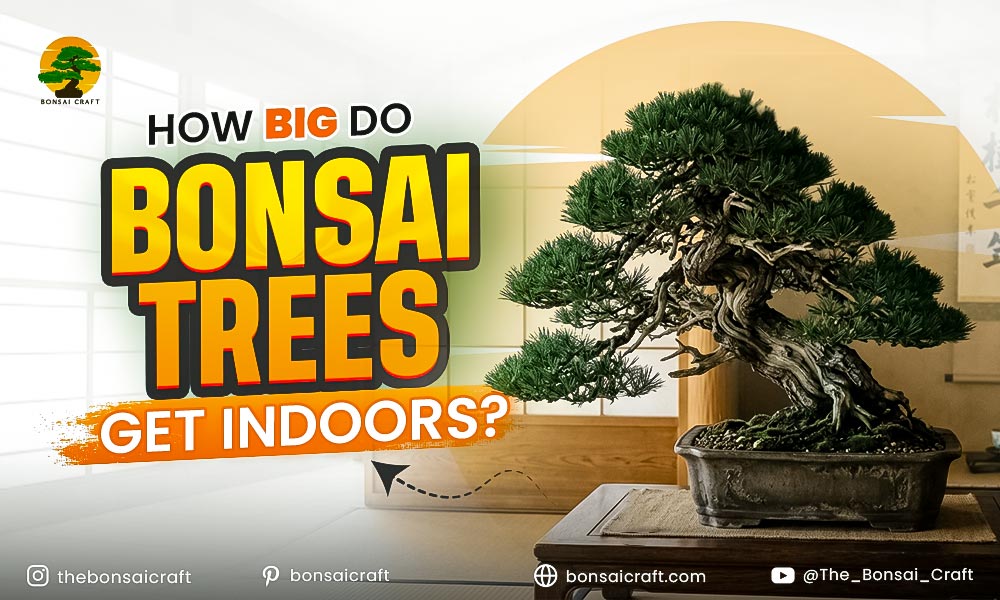
Bonsai trees are admired for their miniature appearance, but many beginners wonder how large they can actually become. The answer is more nuanced than simply calling them “small trees.” Bonsai are real trees grown in containers and intentionally trained to remain compact through pruning, root restriction, and careful cultivation. Because of this, their size can vary widely depending on species, environment, and long-term care practices.
Understanding how big do bonsai trees get indoors helps growers choose the right species, pot size, and maintenance approach. Indoor bonsai are usually smaller than outdoor specimens because indoor environments provide less light and root space, which naturally slows growth. Still, with proper care, an indoor bonsai can develop into a mature and impressive miniature tree.
This guide explains how big bonsai trees get, how indoor conditions influence their size, how bonsai compare to their natural height in the wild, and what factors determine their final dimensions. For more bonsai guides and growing tips, you can explore additional resources on Bonsai Craft.
How Big Do Bonsai Trees Get?
Bonsai trees typically grow between 6 inches and 3 feet tall, though some rare specimens can exceed 5–6 feet in height. The size of a bonsai tree depends on how it is trained and maintained rather than on a fixed biological limit. In bonsai cultivation, trees are intentionally kept small by restricting root growth and pruning branches to maintain scale and proportion. Because of this controlled growth, bonsai remain far smaller than the same species growing naturally in the ground.
Most bonsai grown in homes, offices, or collections fall within a practical height range of 6 to 24 inches, which makes them easy to display and maintain. Proper maintenance techniques are explained in this detailed bonsai care guide.
Traditional bonsai culture even classifies trees by size categories. These categories range from extremely tiny bonsai measuring only 1–3 inches tall to massive “Imperial” bonsai that can reach 60–80 inches (5–6 feet) in height.
Despite these variations, the majority of bonsai enthusiasts grow trees that stay comfortably small. The purpose of bonsai is not simply to keep a tree miniature but to create the illusion of a full-sized tree in nature while maintaining a manageable container size.
How Big Do Bonsai Trees Get Indoors?
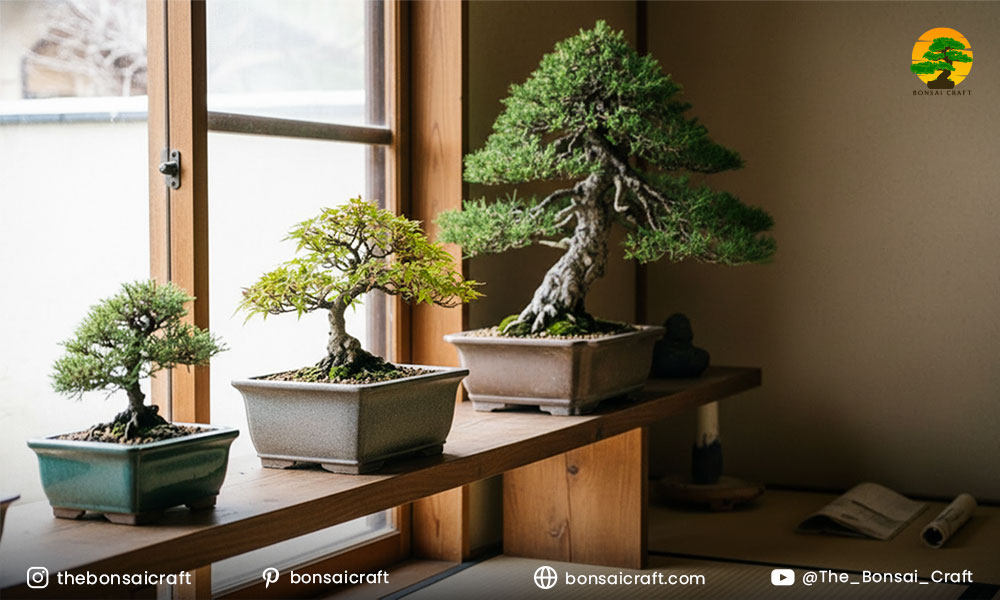
Indoor bonsai trees usually grow between 8 and 24 inches tall because indoor conditions naturally limit growth. When bonsai are kept inside a home or office, they typically remain smaller than outdoor bonsai. Indoor specimens commonly reach about 8–18 inches in height, although some species can grow up to 30–60 cm (1–2 feet) with proper care.
Several factors explain why indoor bonsai remain compact:
Limited Light
Indoor environments provide less direct sunlight compared to outdoor conditions. Trees rely on light to fuel photosynthesis and growth, so reduced light naturally slows vertical development. Understanding proper lighting conditions is also important for bonsai health, as discussed in this guide on bonsai tree light.
Smaller Root Systems
Indoor bonsai are usually grown in shallow containers. Limited soil volume restricts root expansion, which in turn limits how large the tree can grow.
Controlled Maintenance
Indoor bonsai are regularly pruned and shaped to maintain their miniature proportions. Growers trim branches, remove excess shoots, and perform root pruning every few years.
Slower Growth Environment
Temperature, humidity, and airflow inside buildings create a controlled but less vigorous growing environment. As a result, indoor bonsai tend to grow slowly and stay compact.
For most home growers, this size range is ideal because a tree that grows between 10 and 20 inches fits easily on desks, shelves, or windowsills while still displaying a realistic tree structure.
How Big Do Indoor Bonsai Trees Get by Species?
Different species grow to different heights, but most indoor bonsai species stay between 6 and 24 inches tall. Indoor bonsai are usually tropical or subtropical species that tolerate indoor conditions. These species have varying growth habits and potential sizes.
For example:
- Ficus bonsai can range from about 6 inches to several feet tall depending on training and pruning.
- Chinese elm bonsai may grow 12–48 inches if allowed to develop larger structures.
- Juniper bonsai are often kept 8–24 inches tall in traditional bonsai displays.
Even though these species can grow much larger in nature, bonsai cultivation keeps them compact. You can learn more about species commonly used for bonsai in this overview of types of bonsai trees.
The species you choose influences how large your indoor bonsai can realistically become. Fast-growing species may require more pruning, while naturally compact trees are easier to keep small.
How Big Do Bonsai Trees Get in the Wild?
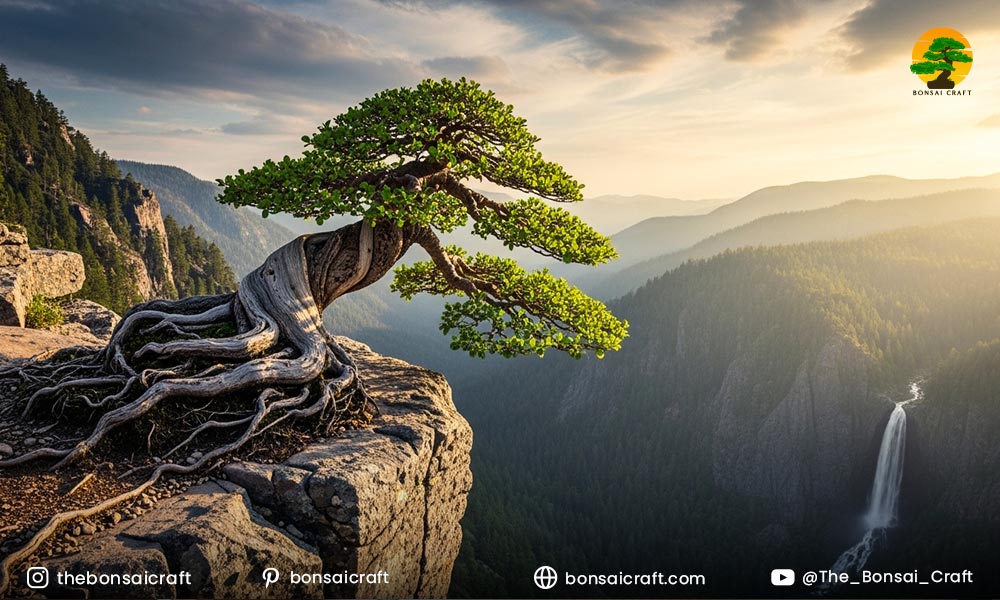
In the wild, the same tree species used for bonsai can grow dozens of feet tall. A common misconception is that bonsai trees are genetically dwarf plants. In reality, bonsai are ordinary trees trained through horticultural techniques to stay miniature.
If a bonsai tree were planted in the ground and allowed to grow freely, it would eventually reach the natural height of its species.
For example:
- A Chinese elm used as bonsai can grow over 60 feet tall in natural conditions.
- Many pine species used for bonsai can grow 50–80 feet in forests.
- Maples used in bonsai cultivation can reach 30–100 feet depending on the species.
This dramatic difference shows that bonsai size is not determined by genetics but by careful cultivation techniques.
The goal of bonsai artists is to recreate the appearance of a mature, towering tree in a miniature container.
What Determines How Big a Bonsai Tree Gets?
The final height of a bonsai tree is determined by species, pot size, pruning, and growing conditions. Several important factors influence the maximum size a bonsai tree can reach.
Tree Species
Some species naturally grow more slowly or remain compact, making them ideal for bonsai. Others grow quickly and require more pruning to maintain a miniature form.
Pot Size
Container size is one of the most powerful growth controls. Choosing the correct container is also important for aesthetics and growth balance, which is explained in this bonsai pot selection guide.
Root Pruning
Bonsai growers periodically trim roots to maintain a compact root system. This process keeps the tree healthy while preventing excessive growth.
Branch Pruning
Regular pruning controls height and canopy spread. By trimming new shoots, growers direct energy into shaping the tree rather than letting it grow taller.
Age of the Tree
Older bonsai often develop thicker trunks and more complex branch structures. While their height may remain relatively stable, their overall visual presence becomes larger and more mature.
Environmental Conditions
Trees grown outdoors in full sun and fresh air generally grow faster and larger than those kept indoors with limited light.
Bonsai Tree Size Categories Explained
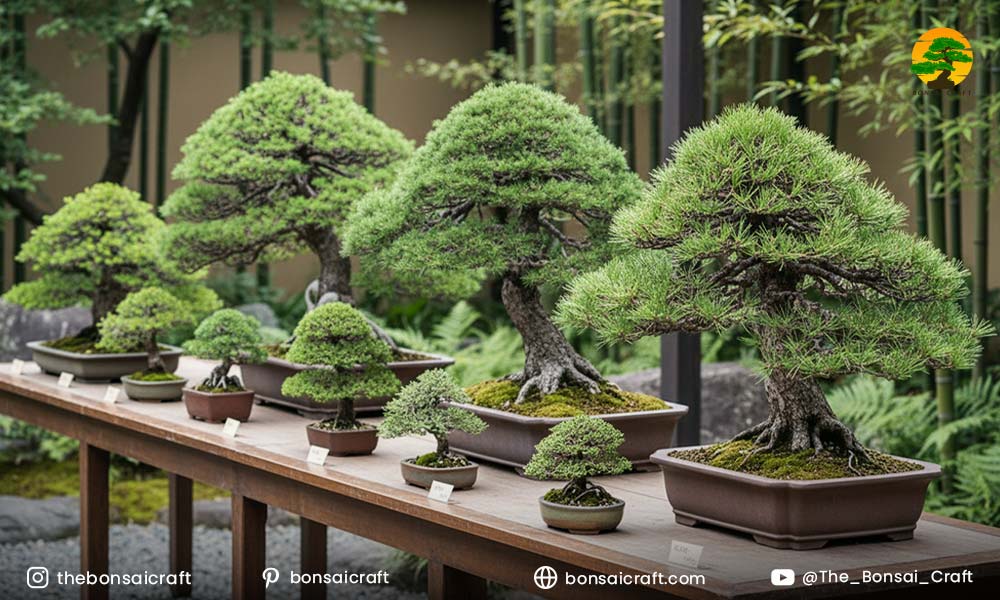
Bonsai trees are traditionally classified into size categories ranging from tiny 1-inch trees to large 6-foot specimens. The bonsai world uses a traditional classification system to describe tree size. These categories help artists understand scale and display requirements.
The smallest bonsai include:
- Keshitsubo bonsai: about 1–3 inches tall
- Shito bonsai: about 2–4 inches tall
- Mame bonsai: about 2–6 inches tall
Small bonsai categories include:
- Shohin bonsai: around 5–8 inches tall
- Komono bonsai: around 6–10 inches tall
Medium bonsai categories include:
- Chumono bonsai: about 16–36 inches tall
Large bonsai categories include:
- Omono or Dai bonsai: about 30–48 inches tall
- Hachi-uye bonsai: about 40–60 inches tall
- Imperial bonsai: about 60–80 inches or more
Most indoor bonsai fall into the Shohin or Komono size classes, which are small enough to display comfortably indoors.
Why Bonsai Trees Stay Small
Bonsai trees stay small because growers control their roots, branches, and growth environment. Unlike naturally dwarf plants, bonsai trees remain miniature through careful cultivation techniques developed over centuries.
The key techniques include:
Root restriction:
A shallow container limits how far roots can expand. Smaller root systems support smaller canopies.
Regular pruning:
Branches and shoots are trimmed frequently to maintain shape and prevent excessive height.
Wiring and shaping:
Bonsai artists use wire to guide branches into specific directions and forms.
Controlled fertilization:
Moderate feeding encourages healthy growth without excessive size increase.
Branch training methods such as wiring help shape the tree’s structure, a technique explained in detail in this guide on bonsai wiring.
Through these methods, a tree that might normally grow 50 feet tall can remain only 12–18 inches tall in a bonsai container.
Indoor vs Outdoor Bonsai Size Differences
Outdoor bonsai usually grow larger than indoor bonsai because they receive stronger sunlight and natural conditions. Bonsai grown outdoors benefit from full sunlight, seasonal cycles, and natural airflow. These conditions support stronger growth and thicker trunk development.
Outdoor bonsai commonly reach 12–48 inches tall, while indoor bonsai typically remain smaller, around 8–18 inches.
Another important factor is species selection. Many traditional bonsai species, such as pines and junipers, prefer outdoor environments. Indoor bonsai are usually tropical species that adapt to indoor climates.
Because of these differences, outdoor bonsai often develop more robust growth and can reach larger sizes.
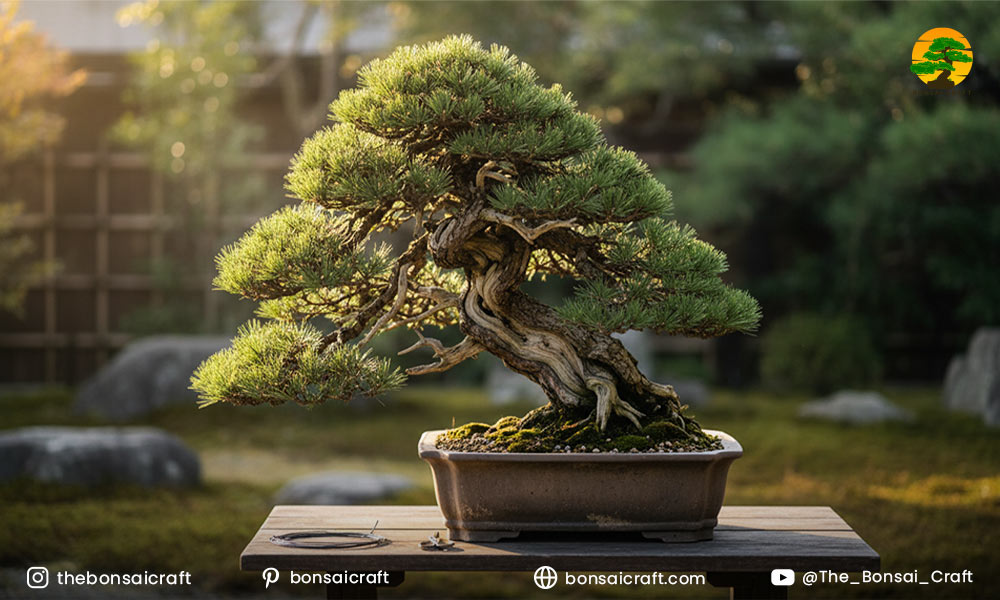
Can Bonsai Trees Grow Bigger Over Time?
Yes, bonsai trees can grow larger over time if they are given larger containers and allowed to develop. Although bonsai are often kept small, they can gradually increase in size if the grower allows it. Moving a tree into a larger container provides more space for roots, which supports greater canopy growth.
Some bonsai collectors intentionally grow trees larger during early training stages to develop thick trunks. After the trunk reaches the desired size, they reduce the height through pruning.
However, many growers prefer to maintain bonsai within a specific size range for display and aesthetic balance.
FAQs
How big do bonsai trees get indoors?
Indoor bonsai trees usually grow between 8 and 24 inches tall. Indoor environments limit growth because they provide less sunlight and root space than outdoor conditions. With regular pruning and proper pot size, most indoor bonsai remain compact enough to display on shelves or desks.
How big do bonsai trees get in the wild?
In the wild, the same species used for bonsai can grow dozens of feet tall. Bonsai trees are not genetically small; they are ordinary trees trained through pruning, root restriction, and container growth to remain miniature.
How big do indoor bonsai trees get after many years?
After many years, indoor bonsai typically remain under 2 feet tall. Even older bonsai rarely exceed this size indoors because pruning and limited root space control their growth while still allowing the tree to mature.
Can a bonsai tree grow bigger if planted in the ground?
Yes, a bonsai tree planted in the ground will eventually grow to its natural size. Once roots are no longer restricted and pruning stops, the tree will grow like any normal tree of the same species.
What is the largest size a bonsai tree can reach?
The largest bonsai trees can reach around 60–80 inches tall in the Imperial size category. These large specimens require decades of training and are usually grown outdoors in large containers.
Conclusion
A single size does not define bonsai trees. Instead, their height depends on species, cultivation techniques, and growing environment. While bonsai can theoretically grow several feet tall, most indoor bonsai remain between 8 and 24 inches, making them perfect for homes and small spaces.
The art of bonsai focuses on creating the illusion of a mature tree in miniature form. Through pruning, root management, and careful shaping, growers transform ordinary trees into living sculptures that remain compact for decades.
For indoor growers, understanding how large a bonsai can realistically become helps guide species selection, container choice, and long-term care. With patience and proper maintenance, even a small bonsai can develop the character and beauty of a full-sized tree in nature.