By listing the 10 oldest bonsai tree specimens in the world, we want to emphasize that bonsai are not just miniature plants but living works of art shaped over centuries. Every old bonsai tree carries a documented history of careful cultivation, preservation, and generational stewardship.
It is difficult to compare the beauty of different bonsai, but when discussing the oldest bonsai in the world, age and provenance become meaningful markers. Some of the world’s oldest bonsai tree specimens are preserved in museums and imperial collections where their lineage and maintenance history are recorded. When people search for the oldest bonsai tree in the world, they are often looking for both documented age and historical continuity.
To understand how this art form evolved into a centuries-long tradition, explore the history of bonsai trees.
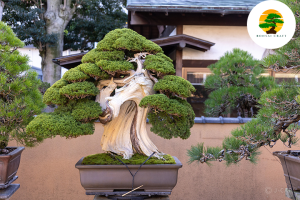
SHUNKAEN
One of the most recognized locations associated with the oldest bonsai in Japan is the Shunkaen Bonsai Museum in Tokyo. Founded by Kunio Kobayashi, the Shunkaen Bonsai Museum houses trees estimated to be over 800 years old.
Although not officially declared the world oldest bonsai, several specimens in this collection are considered among the oldest still actively maintained by professional masters. Their longevity reflects disciplined pruning, repotting, and structural refinement across generations.
This museum is frequently listed among the top bonsai museums in the world for its preservation of historic specimens.
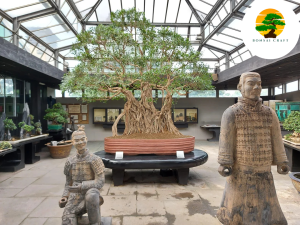
FICUS RETUSA LINN
The specimen widely cited as the oldest bonsai tree in the world is a Ficus retusa preserved at the Crespi Bonsai Museum. According to museum documentation, this tree is estimated to be over 1,000 years old.
Often referred to when discussing the world’s oldest bonsai tree, this Ficus was acquired in 1986 by Luigi Crespi. Historical records indicate it was first cultivated in China before being refined by Japanese masters. Today, it remains one of the most documented examples of an original bonsai tree preserved outside Japan.

SANDAI SHOGUN NO MATSU
Sandai Shogun no Matsu is one of Japan’s most historically documented old bonsai trees. Preserved in the Tokyo Imperial Palace, this five-needle pine is estimated to be over 500 years old.
Although not the absolute oldest bonsai in the world, it is one of the most culturally significant and continuously maintained bonsai tree oldest within an imperial collection.
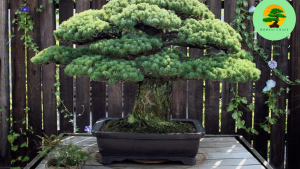
PINO YAMAKI
The Yamaki Pine is one of the most historically important bonsai trees outside Japan. Donated to the United States National Arboretum in 1976, this tree later became known worldwide after it was confirmed to have survived the Hiroshima atomic bombing.
While not the oldest bonsai tree, its documented age of nearly 400 years makes it one of the oldest bonsai preserved in the United States. Its survival story contributes to its recognition among discussions of the world oldest bonsai specimens.
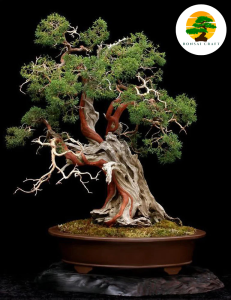
THE PICASSO OF BONSAI
Dan Robinson is associated with innovative styling rather than the oldest bonsai tree by age. His work helped expand appreciation for bonsai outside Japan, contributing to global understanding of bonsai as a living art form.
Although not linked to the bonsai oldest specimen, his influence shaped modern Western bonsai culture.
PROTECTOR OF SPIRITS
“Goshin,” created by John Y. Naka beginning in 1948, is one of the most significant bonsai in American history. Now preserved by the National Bonsai Foundation, it is not the oldest bonsai in the world, but it represents one of the most important modern bonsai creations.
Its significance lies in design legacy rather than age classification.
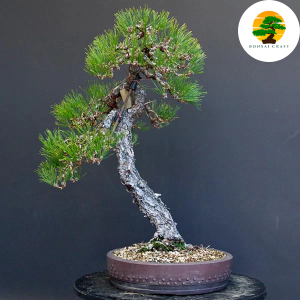
RED PINE BONSAI
At the Akao Herb and Rose Garden stands one of the largest and oldest red pine bonsai trees, estimated to be over 600 years old.
Although not always cited as the world’s oldest bonsai tree, its remarkable size and age make it one of the most impressive old bonsai trees maintained in Japan.
Large outdoor specimens like this require structured seasonal maintenance similar to that outlined in our outdoor bonsai tree care guide.
THE 1000-YEAR-OLD BONSAI TREE COLLECTED IN THE WILDS OF JAPAN
An ancient juniper estimated to be close to 1,000 years old resides in Omiya Bonsai Village. This tree is often referenced in discussions about the oldest bonsai tree specimens cultivated from yamadori material.
While precise dating varies, it is consistently mentioned among candidates for the oldest bonsai in the world preserved in Japan.
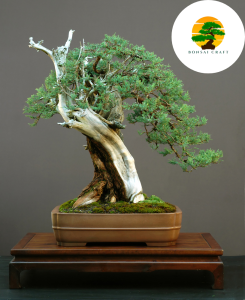
ROCKY MOUNTAIN JUNIPER
Walter Pall is known for dramatic Rocky Mountain juniper bonsai. These trees are not considered the oldest bonsai tree in the world, but they demonstrate how collected ancient material can be refined into mature bonsai forms.
His work reinforces that bonsai age includes both biological age and time under cultivation.
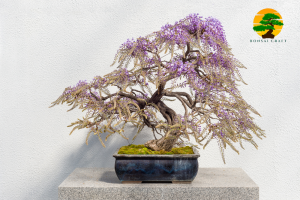
WISTERIA BONSAI TREES
Some historical wisteria bonsai in Japan are several centuries old, though they are not classified as the world oldest bonsai. Flowering bonsai require intensive seasonal care, and their age documentation varies by collection.
They are appreciated for their cultural importance rather than claims of being the oldest bonsai tree specimen globally.
You can explore flowering species care in our detailed guide to wisteria bonsai cultivation.