
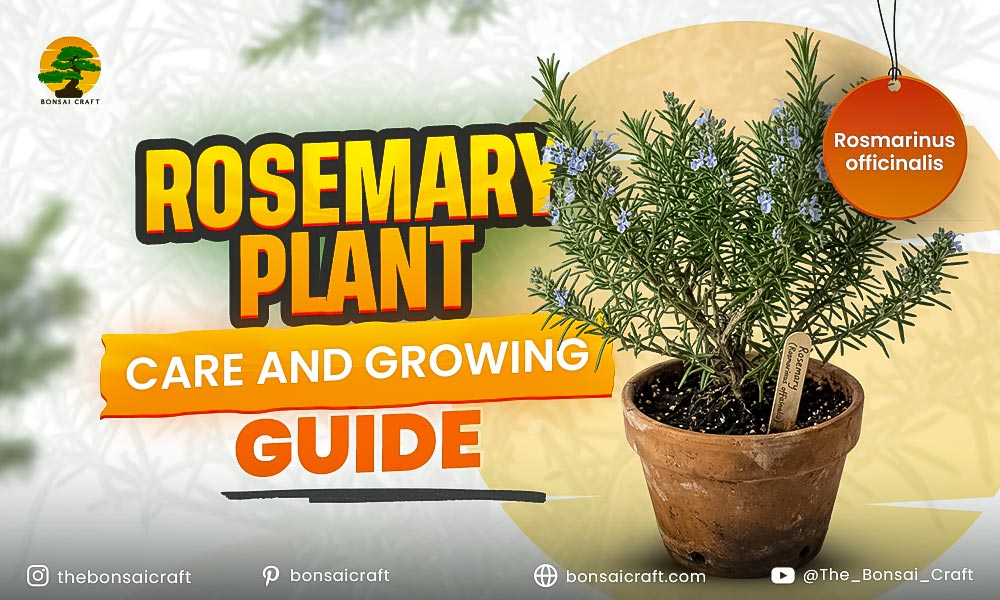
Rosemary plant care focuses on providing full sunlight, well-draining soil, minimal watering, and a warm Mediterranean-like environment. This aromatic evergreen herb, scientifically known as rosemary (rosmarinus officinalis), is widely valued for culinary use, ornamental landscaping, herbal traditions, and essential oil production. Native to the Mediterranean region, the plant naturally grows in rocky, sunny, and relatively dry environments, which explains why it thrives with low water and plenty of light.
The rosemary plant (rosmarinus officinalis) is a perennial shrub that can grow between 2 and 6 feet tall depending on the variety and growing conditions. Its needle-like leaves contain aromatic oils that give rosemary its strong fragrance and flavor. Because of these oils, rosemary has been used historically in cooking, herbal preparations, essential oils, and traditional remedies.
Gardeners appreciate rosemary for its versatility. It can be grown in herb gardens, containers, hedges, bonsai arrangements, or as ground cover depending on the cultivar. For example, the trailing variety rosmarinus officinalis prostratus spreads horizontally and is often used in rock gardens or cascading over walls.
Understanding proper rosemary plant care helps gardeners grow healthy, long-lasting plants that can produce fragrant leaves for many years. With the right conditions, rosemary plants can live for a decade or more while requiring relatively little maintenance.
This guide explains everything you need to know about rosemary (rosmarinus officinalis), including growing conditions, plant care, propagation, varieties, benefits, and frequently asked questions.
For more bonsai and plant care resources, visit Bonsai Craft.
What Is Rosmarinus Officinalis?
Rosmarinus officinalis is an evergreen aromatic shrub native to the Mediterranean region. The botanical name rosmarinus officinalis plant refers to the well-known rosemary herb commonly used in cooking, gardening, and herbal preparations. This perennial shrub belongs to the mint family (Lamiaceae), which also includes herbs like basil, thyme, and sage.
The rosemary plant is characterized by narrow needle-like leaves, woody stems, and small blue, purple, pink, or white flowers that typically appear in spring and summer. The plant produces aromatic oils in its leaves that give it its distinctive scent and flavor.
Because rosemary evolved in Mediterranean climates, it prefers environments that mimic those natural conditions: plenty of sunlight, dry air, and well-drained soil. The plant grows naturally on rocky hillsides where water drains quickly and nutrients are limited. These ecological traits explain why rosemary often struggles in heavy, wet soil or overly humid conditions.
Rosemary is also highly adaptable. It can be grown as a compact container herb, shaped into ornamental hedges, or trained as a bonsai plant. Trailing varieties such as rosmarinus officinalis prostratus are commonly used as ground cover in landscaping.
Rosemary Plant Care Basics
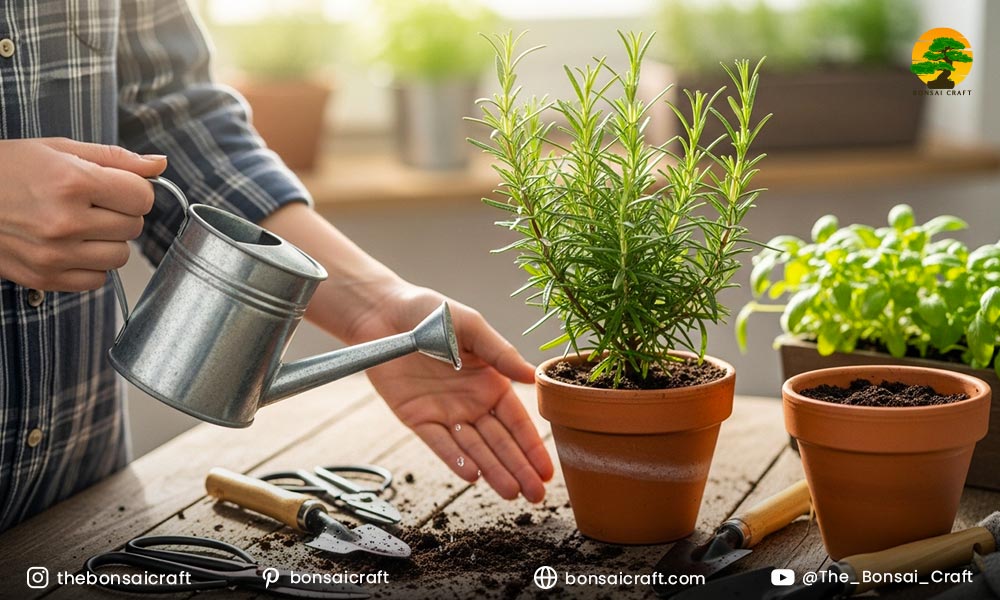
Rosemary plant care requires full sun, well-drained soil, and moderate watering to mimic its Mediterranean habitat.
Successful rosemary plant care begins with recreating the dry, sunny conditions that rosemary naturally prefers. Unlike many garden plants, rosemary actually thrives when gardeners avoid overwatering and over-fertilizing.
The most important factors in growing a healthy rosemary plant include:
Sunlight Requirements
Rosemary plants require at least 6–8 hours of direct sunlight each day. Rosemary is a sun-loving herb that grows best in full sunlight. Insufficient light often causes weak, leggy growth and reduces the plant’s aromatic oil production.
Outdoor plants should be placed in a sunny garden bed or balcony. Indoor rosemary plants should be placed near a south-facing window or under grow lights to provide sufficient light exposure.
Soil Requirements
Rosemary grows best in sandy, well-drained soil with a pH around 6.0–7.5. The roots of rosemary are sensitive to excess moisture, so drainage is essential. Sandy or loamy soil works best because it allows water to pass through quickly.
Gardeners often mix sand, gravel, or perlite into potting soil to improve drainage when growing rosemary in containers. For container gardening, see our bonsai plant soil guide.
Watering Needs
Rosemary plants prefer deep but infrequent watering and should dry out between waterings. Overwatering is one of the most common mistakes in rosemary plant care. The plant is drought-tolerant once established and prefers slightly dry soil rather than constant moisture.
A good practice is to water thoroughly and then allow the top layer of soil to dry before watering again. For detailed watering instructions, check bonsai watering guide.
Temperature and Climate
Rosemary grows best in warm climates but can tolerate moderate temperature variations. The plant thrives in temperatures around 15–21°C (60–70°F) during the growing season.
In colder regions, rosemary may need protection from frost or should be grown in containers that can be moved indoors during winter.
How to Grow Rosmarinus Officinalis Successfully
Growing rosmarinus officinalis successfully involves planting in sunny locations with well-drained soil and minimal fertilizer.
Understanding how to grow rosmarinus officinalis properly allows gardeners to cultivate a long-lasting herb that can remain productive for years.
Planting Rosemary
Rosemary can be planted in garden beds, raised beds, or containers. Choose a sunny location with good air circulation.
When planting:
- Ensure soil drains quickly.
- Avoid heavy clay soil.
- Space plants about 50–100 cm apart to allow proper airflow.
For container gardening, see bonsai in containers.
Growing Rosemary in Containers
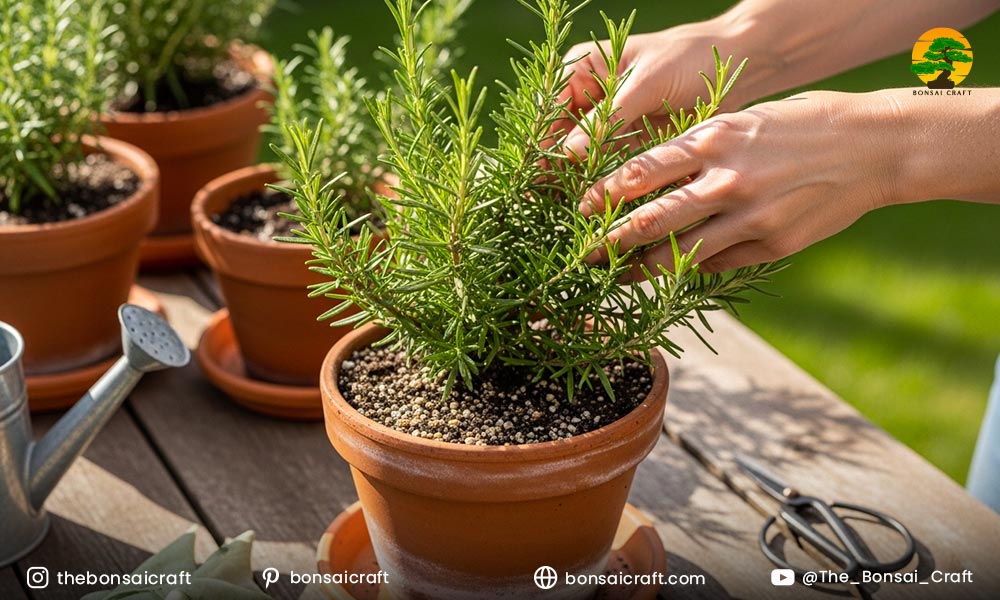
Container gardening is one of the most popular ways to grow rosemary. Terracotta pots are especially helpful because they allow excess moisture to evaporate.
A good container soil mix usually includes:
- Potting soil
- Sand or perlite
- Small gravel or grit
This mixture prevents root rot and improves aeration.
Rosemary Plant Propagation Methods
Rosemary can be propagated from:
- Seeds
- Stem cuttings
- Layering
Cuttings are the most common method because seeds can take longer to germinate and grow slowly.
Gardeners usually take softwood cuttings from new growth during spring or early summer and root them in moist soil.
Popular Rosemary Varieties
Rosemary varieties differ in growth habit, size, and landscaping use. There are several cultivars of rosemary (Rosmarinus officinalis) used for culinary, ornamental, and landscape purposes.
Upright Rosemary
Upright varieties grow vertically and are commonly used in herb gardens and hedges. These types often produce the most flavorful leaves for cooking.
Examples include:
- Tuscan Blue
- Spice Islands
These varieties may reach 4–5 feet in height under ideal conditions.
Rosmarinus Officinalis Prostratus
Rosmarinus officinalis prostratus is a trailing or creeping variety of rosemary used as an ornamental ground cover.
Unlike upright rosemary, this cultivar spreads horizontally and forms dense mats of foliage. It is commonly planted along garden walls, rock gardens, and slopes where its branches can cascade downward.
Because of its spreading habit, prostratus rosemary is especially attractive in landscaping designs.
Rosmarinus Officinalis Benefits
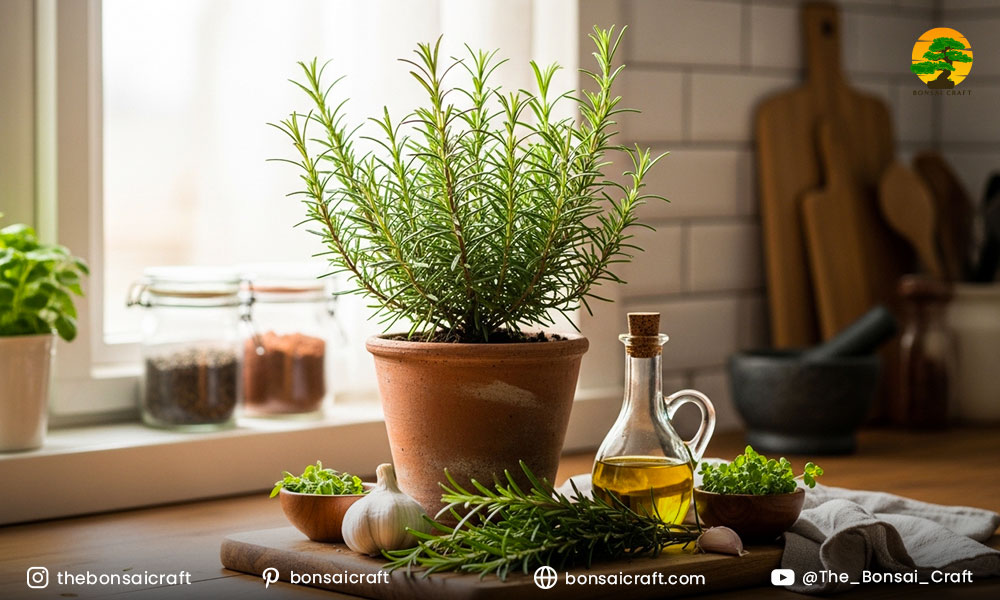
Rosmarinus officinalis benefits include culinary use, aromatic oils, ornamental value, and traditional herbal applications.
The rosemary plant has been valued for centuries for its fragrance and practical uses. While modern science continues to study its properties, rosemary remains widely used in cooking, gardening, and traditional herbal practices.
Culinary Benefits
Rosemary leaves are commonly used to flavor:
- Roasted vegetables
- Meat dishes
- Bread and marinades
The herb’s strong aroma enhances many Mediterranean and European recipes.
Aromatic and Essential Oil Uses
The leaves of rosemary contain essential oils responsible for its distinctive scent. These oils are extracted to produce rosemary oil, commonly used in aromatherapy and cosmetic products.
People often ask what is rosmarinus officinalis leaf oil. It refers to the essential oil extracted from rosemary leaves, typically used for fragrance, herbal preparations, and topical products.
Traditional Herbal and Homeopathic Uses
Many herbal traditions describe rosmarinus officinalis homeopathy uses related to digestive support, aromatic preparations, and topical applications.
However, these uses are based on traditional herbal practices rather than universal medical consensus, and individuals should consult qualified healthcare professionals before using herbal remedies.
Landscaping Benefits
Rosemary is also valued as an ornamental shrub because it:
- Attracts pollinators like bees
- Produces attractive flowers
- Works well in drought-tolerant gardens
Rosemary Plant Pruning and Maintenance
Pruning rosemary encourages bushier growth and prevents woody stems. Regular pruning helps maintain the shape and productivity of rosemary plants. Gardeners usually prune after flowering or during the growing season to remove dead stems and encourage new growth.
Light pruning also helps prevent the plant from becoming too woody, which can reduce leaf production.
Harvesting rosemary regularly for cooking also acts as a natural form of pruning.
Common Problems in Rosemary Plant Care
Most rosemary problems occur because of overwatering, poor drainage, or insufficient sunlight.
Although rosemary is considered a low-maintenance herb, certain conditions can cause problems.
Root Rot
Root rot is usually caused by soggy soil or poor drainage.
Leggy Growth
Leggy stems often indicate insufficient sunlight.
Fungal Diseases
High humidity and poor airflow may lead to fungal issues such as powdery mildew. Proper soil drainage, sunlight, and airflow typically prevent these problems.
Using Rosemary in Garden Design
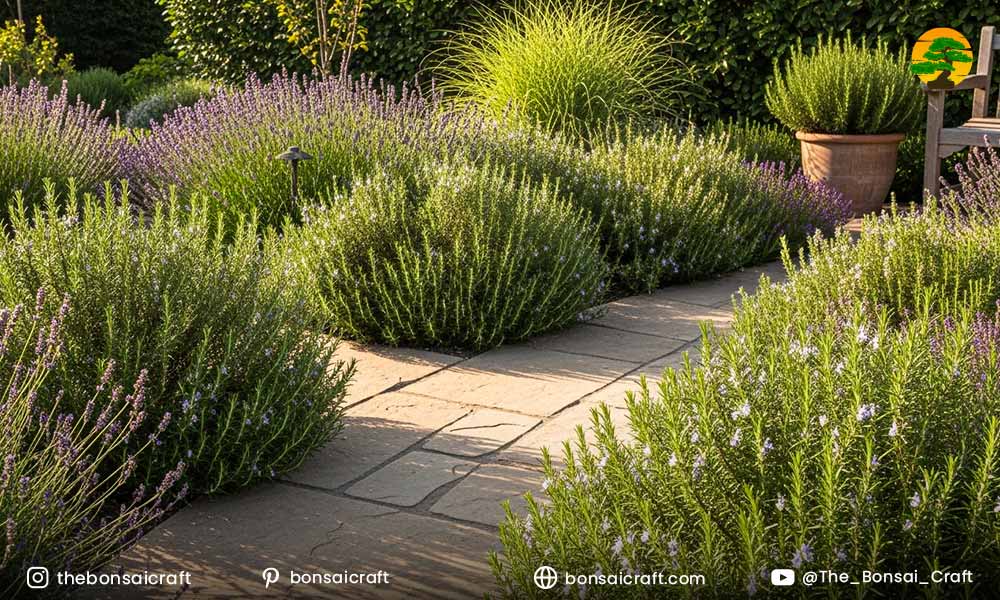
Rosemary plants are versatile and can be used in herb gardens, hedges, bonsai, or ground cover landscaping.
The versatility of rosmarinus officinalis rosemary plant makes it popular among both gardeners and landscape designers.
Some common uses include:
- Herb gardens
- Decorative hedges
- Container gardens
- Bonsai plants
- Rock gardens
- Ground cover (prostratus varieties)
Because rosemary tolerates drought conditions, it is also widely used in xeriscaping and Mediterranean-style gardens.
FAQs About Rosemary Plant Care
How often should I water a rosemary plant?
Rosemary plants should be watered deeply but only when the soil becomes dry. This herb prefers slightly dry soil conditions and can suffer from root rot if watered too frequently. Allow the top portion of the soil to dry before watering again to maintain healthy roots.
Can rosemary grow indoors?
Rosemary can grow indoors if it receives enough sunlight. Place the plant near a bright south-facing window or use grow lights to provide 6–8 hours of light daily. Indoor plants also need good airflow and well-draining soil to prevent moisture problems.
What is rosmarinus officinalis leaf oil?
Rosmarinus officinalis leaf oil is the essential oil extracted from rosemary leaves. This oil contains aromatic compounds responsible for rosemary’s fragrance and is widely used in cosmetics, aromatherapy, and herbal preparations.
Is rosemary easy to grow for beginners?
Rosemary is generally considered an easy herb to grow. The plant requires minimal fertilizer and tolerates drought once established. Most gardening problems occur when rosemary receives too much water or insufficient sunlight.
How long does a rosemary plant live?
A healthy rosemary plant can live for many years. With proper rosemary plant care, some plants can remain productive for a decade or longer, especially when grown in suitable climates with good sunlight and drainage.
Conclusion
Rosemary plant care is simple when gardeners replicate the plant’s natural Mediterranean environment. Providing abundant sunlight, well-drained soil, and limited watering allows rosmarinus officinalis to thrive in gardens, containers, and landscapes.
From culinary herbs to ornamental landscaping, the rosemary plant offers remarkable versatility. Upright varieties produce flavorful leaves for cooking, while creeping types like rosmarinus officinalis prostratus create attractive ground cover.
Understanding how to grow rosmarinus officinalis correctly helps gardeners cultivate a long-lasting plant that provides fragrance, beauty, and culinary value for many years.