

Portulacaria Afra, also known as Elephant Bush or Miniature Jade, is a versatile and easy-to-care-for succulent that thrives in various environments. With its thick, fleshy leaves and low-maintenance nature, it’s no wonder that this plant is a favourite among both beginner and experienced plant lovers. Whether you’re keeping it indoors or outdoors, this guide will provide you with all the essential knowledge to help your Portulacaria Afra flourish.
What is Portulacaria Afra?
Portulacaria Afra is a succulent plant that originates from South Africa, where it grows in arid conditions. It belongs to the Crassulaceae family, which is also home to the popular jade plant (Crassula ovata), though Portulacaria Afra is a different species. Portulacaria Afra can grow into a small shrub or tree, reaching up to 3 feet in height when grown in optimal conditions. Its thick, fleshy, round leaves are typically a vibrant green, though there is a variegated variety that features creamy, white-edged leaves.
The plant is known for its ability to store water in its leaves, making it highly drought-tolerant. This is one of the key reasons why it’s so popular in arid regions or homes with limited natural rainfall.
Differences Between Portulacaria Afra and Its Variegated Variety
The regular Portulacaria Afra features lush, green leaves and grows into a bushy, compact shrub, while the Portulacaria Afra Variegata (also known as the Variegated Elephant Bush) stands out with its striking white, yellow, or cream-colored leaf edges. The variegated variety requires slightly more attention to sunlight and water, as its variegated leaves contain less chlorophyll, making it more susceptible to root rot from overwatering. Both varieties, however, share similar care needs and are easy to propagate.
As someone with extensive experience in succulent care, I can confidently say that both varieties are relatively easy to maintain as long as their specific light and watering needs are met.
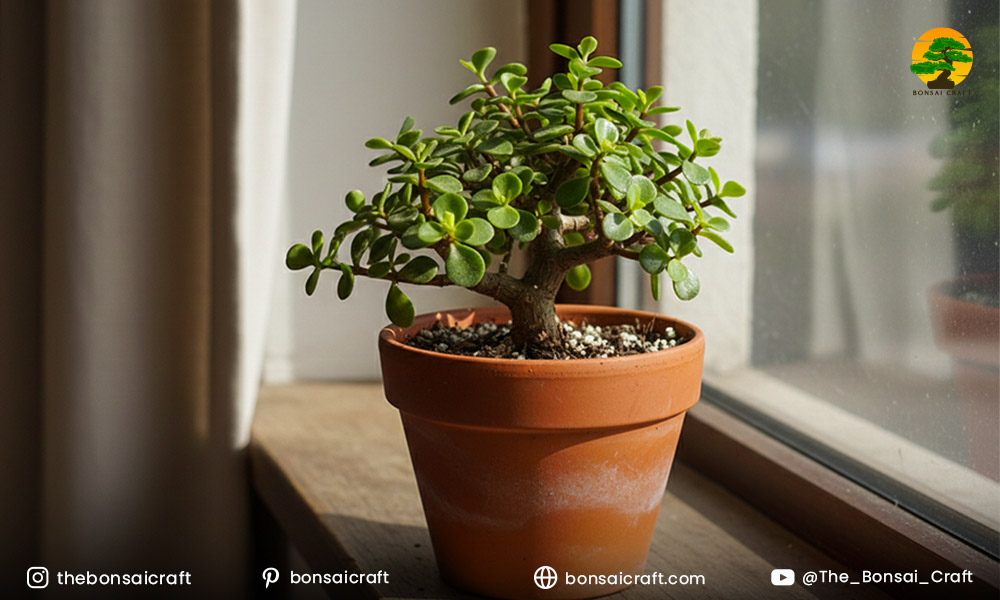
Learn how to care for Portulacaria afra with simple, beginner-friendly tips.
How to Care for Portulacaria Afra
Portulacaria Afra is a low-maintenance plant, but providing it with the right conditions will ensure it grows strong, healthy, and vibrant. Here’s a detailed guide to caring for this resilient succulent.
Ideal Growing Conditions for a Healthy Portulacaria Afra
Light
Portulacaria Afra prefers bright, indirect sunlight. If growing indoors, place it near a south- or west-facing window where it can receive adequate light. It can tolerate some direct sunlight, but too much can scorch its leaves. If grown outdoors, provide it with full sun, although some afternoon shade is beneficial during the hottest part of the day.
Temperature
This plant thrives in warm environments, with ideal temperatures ranging between 60°F and 85°F (15°C to 29°C). Portulacaria Afra is not frost-tolerant and should be protected from temperatures below 50°F (10°C). In colder climates, consider bringing the plant indoors during the winter months.
Soil
Well-draining soil is essential for Portulacaria Afra to avoid root rot. A cactus or succulent-specific potting mix works well, or you can amend regular potting soil with perlite or sand to improve drainage. The plant prefers slightly acidic to neutral soil with a pH level between 6.0 and 7.0.
Humidity
Portulacaria Afra is not a fan of high humidity and will do well in average home humidity levels. If you live in a particularly humid area, ensure that the plant is placed in a well-ventilated spot with good airflow to prevent fungal issues.
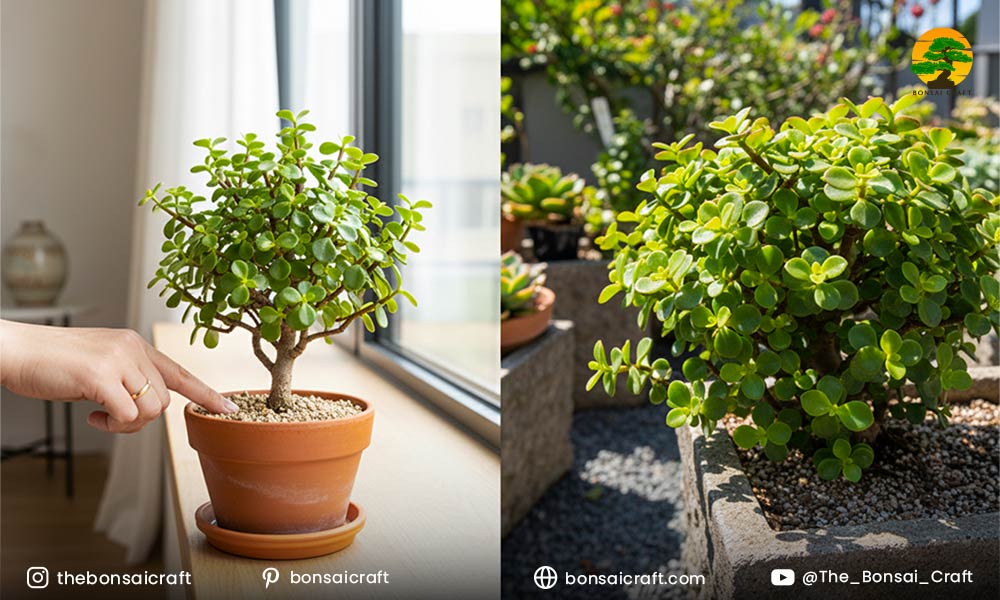
Easy tips for taking care of Portulacaria afra indoors and outdoors in any environment.
How to Take Care of Portulacaria Afra Indoors and Outdoors
Indoors
- Lighting: Indoor Portulacaria Afra plants need plenty of indirect sunlight. Place them in a sunny spot, preferably near a window that gets consistent sunlight throughout the day. If you don’t have access to direct sunlight, consider using a grow light.
- Watering: When growing indoors, the plant’s water needs are more stable. Allow the soil to dry completely between waterings. If the environment is dry (such as in winter), you may need to water slightly more frequently, but always check the soil moisture before watering.
- Pots and Drainage: Choose a pot with drainage holes to prevent water from pooling at the bottom. This helps prevent root rot, which is a common issue with succulents.
Outdoors
- Location: When grown outdoors, Portulacaria Afra enjoys full sun but benefits from afternoon shade in the hottest months, especially in areas with intense sunlight.
- Watering: Outdoor Portulacaria Afra may need more frequent watering, especially during dry spells. However, always ensure the soil is well-drained to avoid waterlogging.
- Protection from Frost: If you live in an area prone to frost, bring your Portulacaria Afra indoors or place it in a frost-free area during the colder months. It is not frost-hardy and can suffer permanent damage if exposed to freezing temperatures.
How Often Should You Water Portulacaria Afra?
One of the biggest advantages of Portulacaria Afra is its low water requirement. As a succulent, it is adapted to store water in its thick leaves, making it very drought-tolerant.
Understanding the Water Needs of Portulacaria Afra
Portulacaria Afra should be watered when the top 1-2 inches of soil feel dry to the touch. Overwatering is one of the most common causes of problems with this plant, so always let the soil dry out before adding more water. During winter, when the plant’s growth slows, it requires even less water.
Signs of Overwatering and Underwatering
Overwatering: Symptoms include yellowing leaves, soft or mushy stems, and a musty smell coming from the soil. If these signs appear, reduce watering and ensure the soil has proper drainage.
Underwatering: If your plant’s leaves are shrivelled, dry, or wilting, it may need water. Check the soil moisture and water thoroughly if necessary, but ensure it doesn’t sit in waterlogged soil.

Learn when and how to prune Portulacaria afra to keep it compact and thriving.
When and How to Prune Portulacaria Afra
Pruning helps maintain a healthy, bushy shape and encourages new growth. It’s a simple process that can be done a few times a year to keep the plant looking tidy.
The Best Time to Prune Portulacaria Afra
The best time to prune Portulacaria Afra is during the growing season, in spring or early summer. This is when the plant is actively growing and can recover quickly from the trimming. Avoid pruning in the winter, when the plant is dormant, as it may cause stress.
Step-by-Step Guide to Pruning Portulacaria Afra
- Prepare Your Tools: Use clean, sharp pruning shears to avoid damaging the plant or spreading disease.
- Trim Leggy Stems: Cut back any long, leggy stems to encourage a more compact growth. Remove any stems that are growing in undesirable directions or taking over the plant’s shape.
- Remove Dead or Damaged Growth: Snip off any yellowing, damaged, or diseased leaves and stems. This helps the plant focus its energy on new, healthy growth.
- Shape the Plant: If you want a more bushy appearance, trim back some of the outer branches. This will promote side shoots and make the plant denser.
Portulacaria Afra Propagation: A Simple Guide
Portulacaria Afra is incredibly easy to propagate, and you can expand your collection or share cuttings with friends and family. The most common method of propagation is through stem cuttings.
How to Propagate Portulacaria Afra
If you want to grow more Portulacaria Afra (also known as Elephant Bush), it’s easy to propagate by taking a cutting. Start by choosing a healthy, non-flowering stem that’s about 3-4 inches long. Use clean pruning shears or a sharp knife to make a nice, clean cut. Once you’ve cut the stem, let it sit in a dry place for 2-3 days so the cut end can form a callus. This step is important to help prevent rot when you plant it.
After the cutting has callused, it’s time to plant it in a small pot with a well-draining soil mix made for succulents. Water it lightly, just enough to moisten the soil. Find a warm spot with bright, indirect light, and within a few weeks, you should see roots forming. Once the cutting is rooted, you can treat it like a mature plant and watch it grow!
Portulacaria Afra Variegata Care: Is It Different?
The Portulacaria Afra Variegata requires the same basic care as the regular green variety, but there are some differences to keep in mind.
Special Care Tips for the Variegated Variety
- More Light: The variegated form needs more sunlight than the green variety to keep its creamy-colored edges vibrant. Ensure it gets at least 4-6 hours of indirect sunlight per day.
- More Sensitive to Overwatering: Since the variegated leaves contain less chlorophyll than the standard green leaves, they can be more prone to rot. Be extra cautious with watering, making sure the soil dries out completely between waterings.
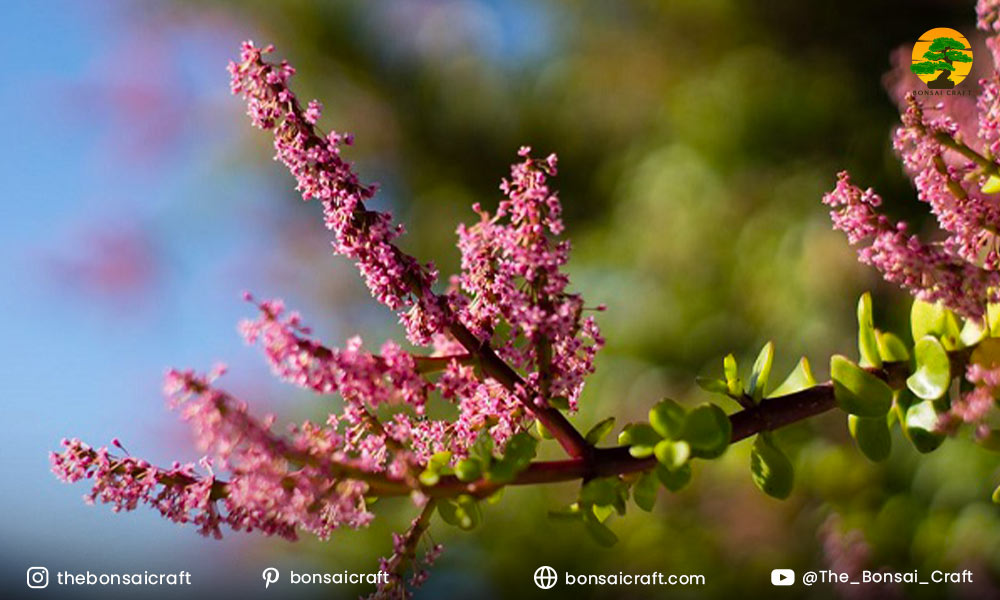
What to expect from Portulacaria afra flowering, including bloom timing and care tips.
Portulacaria Afra Flowering: What to Expect
Portulacaria Afra does not bloom often, but under the right conditions, it can produce small, star-like flowers. These flowers are typically pink or white and appear in late winter or early spring.
How to Encourage Flowering in Portulacaria Afra
To encourage Portulacaria Afra (Elephant Bush) to bloom, there are two main steps to follow. First, allow the plant to experience a cool dormancy during the winter by reducing watering. This period of rest helps the plant conserve energy, setting the stage for blooming in the spring. Second, make sure the plant gets enough light during the growing season. Bright, indirect sunlight is ideal, and if you’re growing it indoors, consider using a grow light to supplement natural light, especially in winter. By providing the right conditions, you can help your Portulacaria Afra thrive and bloom beautifully in the spring.
Common Issues in Portulacaria Afra Care and How to Solve Them
Despite being hardy, Portulacaria Afra can experience a few common issues. Here are some troubleshooting tips:
- Yellowing Leaves: Often a sign of overwatering. Let the soil dry out thoroughly between waterings.
- Leggy Growth: Caused by insufficient light. Move the plant to a brighter spot or provide artificial light.
- Pests: Watch for mealybugs, aphids, or scale. Use neem oil or insecticidal soap to treat infestations.
Conclusion: Mastering Portulacaria Afra Care
With its resilience, low-maintenance nature, and striking appearance, Portulacaria Afra is a fantastic choice for both beginners and experienced plant lovers. By following the simple guidelines provided in this guide, you can enjoy a thriving, healthy plant that will add beauty and life to your space for years to come.
FAQs
How often should I water Portulacaria Afra?
Water your Portulacaria Afra when the top 1-2 inches of soil are dry. During the growing season, this may be once every 1-2 weeks. In winter, reduce watering as the plant goes dormant and requires less moisture.
Can I propagate Portulacaria Afra from a leaf?
It’s best to propagate Portulacaria Afra from stem cuttings rather than leaves, as leaves alone usually won’t root. Cut a healthy stem, let it callus for a few days, and then plant it in well-draining soil to propagate successfully.
Why are my Portulacaria Afra’s leaves turning yellow?
Yellowing leaves are often a sign of overwatering. Ensure the soil is well-draining and allow it to dry completely before watering again. If the problem persists, check for root rot and adjust your watering schedule accordingly.
Can I grow Portulacaria Afra indoors?
Yes, Portulacaria Afra can thrive indoors as long as it receives bright, indirect sunlight. A south or west-facing window is ideal. Ensure the pot has drainage and avoid overwatering, as indoor humidity tends to be lower.
What’s the best time to prune Portulacaria Afra?
Prune Portulacaria Afra in spring or early summer when it’s actively growing. Avoid pruning in the winter months when the plant is dormant. Trim leggy growth and dead leaves to encourage a bushier, healthier plant.