

Magnolia Grandiflora, commonly known as the Southern Magnolia, is a stunning evergreen tree that can become a centerpiece in your garden. This majestic tree is native to the southeastern United States and is renowned for its large, fragrant flowers and thick, leathery leaves. The Southern Magnolia is ideal for larger landscapes, as it can grow up to 60–80 feet tall, and sometimes even taller in the right conditions. While it grows slowly, the payoff is immense with gorgeous blooms in late spring and summer, filling your yard with a sweet, aromatic fragrance.
Understanding the Characteristics of Magnolia Grandiflora
What makes Magnolia Grandiflora stand out? It’s the tree’s distinctive dark green leaves on top and the rusty-brown undersides, giving it a unique look. The leaves are thick and leathery, and they can grow up to 8 inches long. But the real showstopper is the flower. The Magnolia Grandiflora flower blooms in late spring, and it’s massive, up to 12 inches wide! These creamy white blooms have a strong, sweet scent that will fill your garden with a wonderful fragrance. After the flowers fade, the tree produces cone-shaped fruit with red, sticky seeds. These fruits play a role in reproduction, and their vibrant color attracts birds and other wildlife.
What is the Magnolia Grandiflora Tree and Its Common Name?
The Magnolia Grandiflora goes by several names, the most common being Southern Magnolia. This tree is a staple in southern gardens, known for its large, glossy leaves and its impressive white flowers. The “Grandiflora” part of the name comes from Latin, meaning “large flowers,” which is a fitting description. These trees are great for warm climates and are typically found in USDA zones 7-9. They’re highly valued in landscaping for their beauty and stately presence.
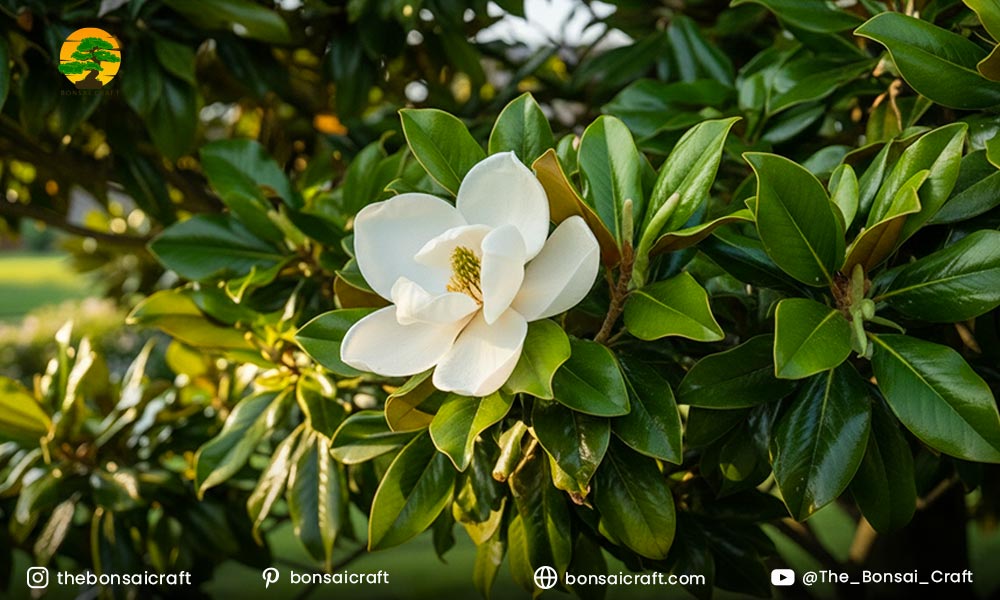
The stunning Magnolia grandiflora flowers add beauty, fragrance, and elegance to any garden.
Magnolia Grandiflora Flower: Stunning Blooms to Brighten Your Garden
The Magnolia Grandiflora flower is a real showstopper. When these trees bloom, you’ll see large, white, fragrant flowers that can measure up to 12 inches across. These blooms appear in late spring and continue through the summer months. What makes them even more special is their fragrance. The flowers release a sweet, lemony scent that will fill the air around them. If you’re looking to add something extraordinary to your garden, a Magnolia Grandiflora is a perfect choice.
How to Identify Magnolia Grandiflora Fruit and Its Role in Growth
After the flowers fade, Magnolia Grandiflora produces fruit, a large, reddish-brown, cone-like structure that contains clusters of small seeds. These seeds are sticky and bright red, making them attractive to birds and other wildlife, which helps spread the seeds to new areas. The fruit doesn’t appear until the tree is a few years old, and it’s an important part of the tree’s lifecycle, helping it propagate and continue to grow.
Growth Rate of Magnolia Grandiflora: How Fast Do These Trees Grow?
If you’re considering planting a Magnolia Grandiflora, be prepared for a slow-growing tree. These trees typically grow around 1–2 feet per year. While that may seem slow, it’s normal for large trees like the Southern Magnolia. Over time, the tree will reach its full height, which can be anywhere from 60 to 80 feet tall with a canopy that can spread as wide as 50 feet. Patience is key with this tree, but once it’s established, it’s a resilient and low-maintenance tree that will provide beauty for many decades.
When Do Magnolia Grandiflora Trees Flower? A Timeline for Gardeners
The flowering period for Magnolia Grandiflora typically begins in late spring, around May. Depending on your location and climate, the tree may continue to bloom through the summer and into early fall. Keep in mind that it may take a few years for a Magnolia Grandiflora tree to begin flowering. Young trees often focus on growing strong roots and establishing themselves before producing blooms. However, once they start, you can expect them to flower each year reliably.
How to Grow Magnolia Grandiflora from Seed: A Step-by-Step Guide
Growing Magnolia Grandiflora from seed isn’t the quickest way to get a tree, but it can be a rewarding experience. The process requires patience, as the seeds have a tough outer shell that needs to be softened before they can sprout. Here’s how to grow your own Southern Magnolia from seed:
- Collect the Seeds: After the fruit ripens in the fall, collect the seeds when the fruit turns brown and starts to open.
- Scarify the Seeds: Gently scrape the outer shell of the seeds to allow water to penetrate. You can use sandpaper or soak the seeds in warm water for 24 hours.
- Cold Stratification: Magnolia seeds need a period of cold stratification to break dormancy. Place the seeds in a moist medium, like sand or peat, and refrigerate them for about 30 days.
- Planting: After stratification, plant the seeds about 1 inch deep in a well-draining potting mix.
- Transplanting: Once the seedlings have developed enough, transplant them into larger containers or directly into the ground. Ensure they get plenty of sunlight and room to grow.
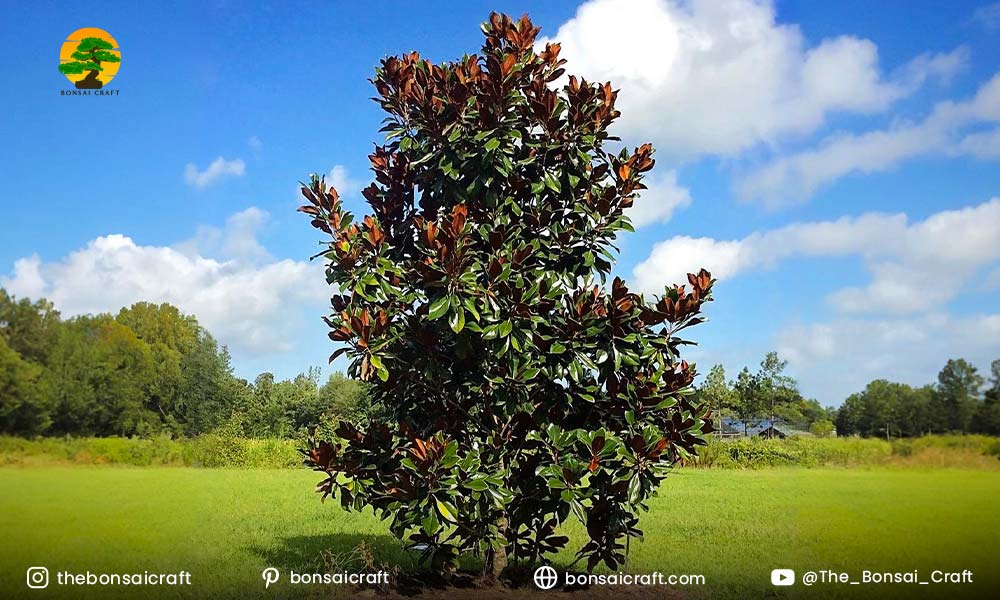
Follow the best practices for planting Magnolia grandiflora to ensure healthy roots and long-term growth
Best Practices for Planting Magnolia Grandiflora: Where and How to Plant
When planting Magnolia Grandiflora, you’ll want to pick a location that provides it with the best conditions for growth. Here are some tips:
- Sunlight: This tree needs full sun, meaning it should receive at least 6 hours of direct sunlight per day.
- Soil: Well-draining, slightly acidic soil is ideal. If your soil is heavy or clay-like, amend it with organic matter to improve drainage.
- Space: Give the tree enough room to grow. It will spread up to 50 feet wide, so avoid planting it too close to buildings, fences, or other trees.
- Watering: Keep the soil consistently moist, especially in the first few years after planting, but make sure it’s not waterlogged.
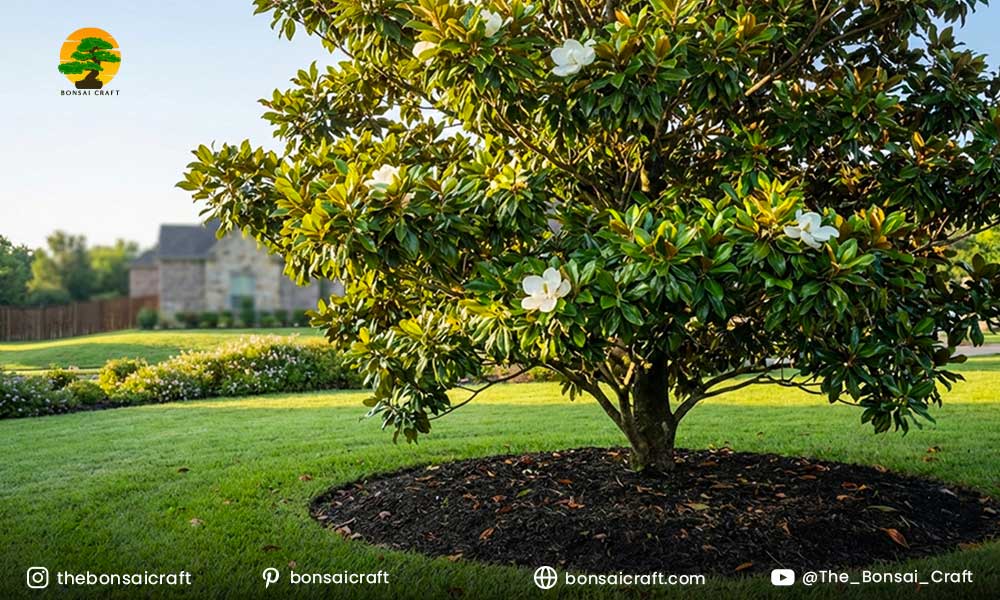
Learn how to choose the ideal location for planting Magnolia grandiflora in your garden
Choosing the Ideal Location to Plant Magnolia Grandiflora in Your Garden
The ideal location for a Magnolia Grandiflora should have plenty of sunlight (at least 6 hours a day) and well-drained soil. If you’re planting it in a garden, make sure there’s enough space for the tree to spread out and grow to its full size. Avoid planting it near structures or other trees that might interfere with its growth. Additionally, if you live in a particularly windy area, try to choose a sheltered spot, as the large leaves and flowers can be damaged by strong winds.
For reference, similar care principles apply to other sun-loving plants like Dracaena Marginata [read the full care guide here], which also thrive in well-draining soil and bright, indirect sunlight.
FAQs about Magnolia Grandiflora Growing Tips
What is the best time to plant Magnolia Grandiflora?
The best time to plant Magnolia Grandiflora is early spring or fall, when temperatures are mild, giving the tree time to establish its roots before extreme weather sets in.
How do I care for a Magnolia Grandiflora tree?
Care for a Magnolia Grandiflora by watering it regularly, especially during dry spells. Mulch around the base to keep moisture in, and prune any damaged or dead branches to maintain a healthy shape.
Can Magnolia Grandiflora survive in cold climates?
While Magnolia Grandiflora thrives in USDA zones 7-9, it can tolerate some cold temperatures. If you live in a colder climate, be sure to plant the tree in a sheltered spot and mulch it during the winter to protect it from frost.
Why isn’t my Magnolia Grandiflora flowering?
Your Magnolia Grandiflora may not be flowering because it’s still too young, it’s not getting enough sunlight, or the soil isn’t ideal. Make sure it’s planted in full sun with well-draining, acidic soil for the best chance of blooming.
How long does it take for a Magnolia Grandiflora tree to reach maturity?
It takes about 10-20 years for a Magnolia Grandiflora to reach full maturity and start flowering. However, once established, it will continue to grow and bloom for decades, providing long-lasting beauty.