
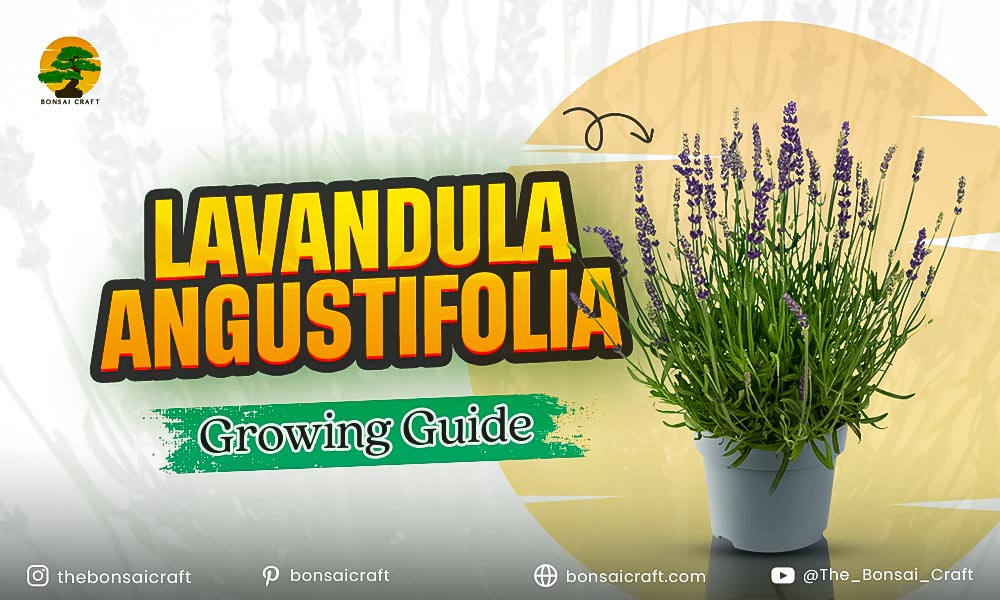
Lavandula angustifolia, commonly known as English lavender, is one of the most beloved and versatile herbs. Known for its soothing fragrance and attractive purple flowers, it is a fantastic addition to gardens and is widely valued for its uses in aromatherapy, culinary dishes, and ornamental gardening. With its fragrant blooms, Lavandula angustifolia not only adds beauty to your space but also provides a host of practical benefits. Whether you’re a seasoned gardener or a beginner, this comprehensive guide will take you step-by-step through the process of growing and caring for Lavandula angustifolia plants, ensuring that you can cultivate healthy, vibrant lavender in your own garden.
What is Lavandula angustifolia? Scientific Name, Origins & Common Names
Lavandula angustifolia is a species of lavender native to the Mediterranean region. The scientific name Lavandula angustifolia refers to the plant’s narrow (angustifolia) leaves, and it’s commonly known as English lavender, though it’s also referred to as true lavender or narrow-leaf lavender. Lavender has been used for centuries for its aromatic oils, which are known to have calming and healing properties. It’s often used in aromatherapy, in making essential oils, and even in culinary dishes. The plant’s flowers, which are typically purple to blue, make it a popular choice for ornamental gardens, where it adds both visual appeal and a soothing fragrance.
Lavandula Angustifolia Plant Overview: Characteristics and Uses
The Lavandula angustifolia plant is an evergreen shrub that grows to about 12 to 24 inches in height and width, making it ideal for smaller gardens, container planting, or as part of garden borders. It produces fragrant spikes of purple-blue flowers from late spring to early summer, with silvery-green foliage that complements the vibrant blooms. The plant thrives in full sun and well-drained soil, making it well-suited for a Mediterranean-style garden. Lavender is a low-maintenance herb, which is why it’s so beloved by gardeners.
Apart from its ornamental value, Lavandula angustifolia has several practical uses. The plant is frequently used in aromatherapy, where its essential oils are prized for their calming and stress-relieving properties. Lavender flowers are also used in cooking, especially in French and Mediterranean cuisine, for both savory and sweet dishes. In addition, lavender is a pollinator-friendly plant, attracting bees, butterflies, and other beneficial insects to your garden.
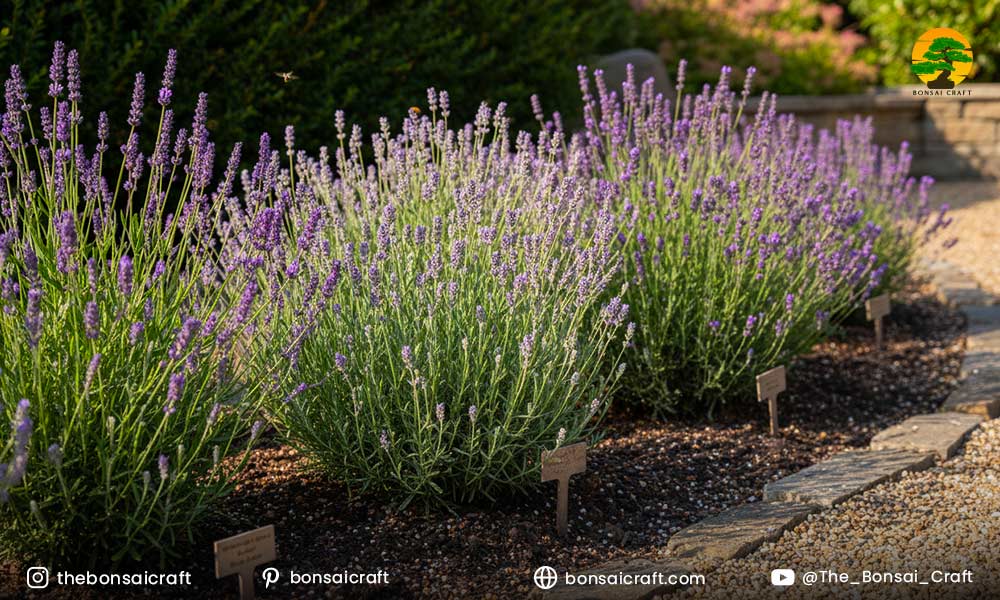
Find trusted places to buy Lavandula angustifolia plants and seeds for successful growing.
Where to Buy Lavandula angustifolia Plants and Seeds
When purchasing Lavandula angustifolia plants or seeds, it’s important to choose quality sources. Local nurseries specializing in perennials and herbs typically carry lavender plants. Online retailers like High Country Gardens, Burpee, and Jackson & Perkins offer a range of lavender cultivars, including Lavandula angustifolia, in both plant and seed forms. If you opt for seeds, choose organic or heirloom seeds to ensure higher germination rates. Established plants will provide a quicker start to your lavender-growing experience, especially for those who prefer to bypass the slow seed-starting process.
How to Grow Lavandula angustifolia: Planting Basics
Growing Lavandula angustifolia successfully requires the right conditions. Lavender thrives in well-drained, sandy, or loamy soil. This plant is susceptible to standing water, so the soil should never stay soggy. Lavender prefers a slightly alkaline soil, with a pH level between 6.5 and 7.5. To promote better drainage, you can amend heavy soils with sand or gravel.
In terms of sunlight, lavender requires full sun, about 6 to 8 hours of direct sunlight each day. This is essential for encouraging strong growth and vibrant flowering. Lavender can tolerate dry conditions, making it an excellent plant for drought-prone areas. Plant lavender in a location that receives plenty of sun and allows excess water to drain away.
How to Plant Lavandula angustifolia Successfully
When planting Lavandula angustifolia, make sure to select a well-drained spot that receives ample sunlight. Whether you are starting from Lavandula angustifolia seeds or established plants, the process is straightforward. For seeds, it’s best to cold-stratify them for 4-6 weeks by placing them in the refrigerator. This mimics winter conditions and improves germination rates. After stratification, plant the seeds in a well-draining seed tray, pressing them lightly into the soil as lavender seeds need light to germinate.
If planting established lavender plants, dig a hole that’s slightly larger than the root ball of the plant. Place the plant in the hole and backfill it with soil, ensuring that the crown of the plant is level with the surrounding ground. Water the plant lightly after planting, but be careful not to overwater, as lavender prefers drier conditions once established.
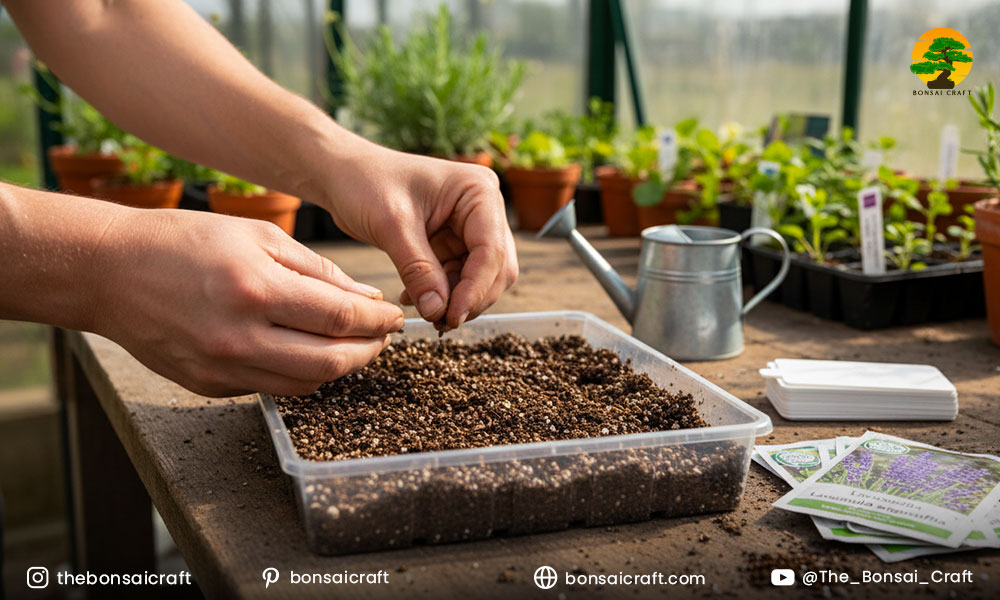
A step-by-step guide on how to grow Lavandula angustifolia from seed at home.
How to Grow Lavandula angustifolia from Seed: Step-by-Step
Growing Lavandula angustifolia from seed requires patience, as the process is slow but rewarding. Begin by cold-stratifying the seeds for 4-6 weeks in the refrigerator to improve germination. After this, sow the seeds in a well-draining, sterile seed-starting mix. Press the seeds gently into the soil surface as they need light to germinate. Keep the tray in a warm, sunny location, and ensure the soil stays moist but not soaked.
Once the seeds germinate, transplant the seedlings when they have at least two sets of leaves. Be sure to space the plants at least 12 inches apart to allow for airflow and healthy growth.
How to Care for Lavandula angustifolia: Watering, Sunlight & Soil
Lavandula angustifolia is a hardy, low-maintenance plant that thrives with minimal care. Water the plant deeply but infrequently, allowing the soil to dry out between waterings. Lavender is drought-tolerant once established, and it does best when watered less frequently. Overwatering can lead to root rot, so ensure that the soil is well-draining.
Lavender requires full sun, 6-8 hours of direct sunlight daily. The more sunlight it gets, the more vibrant the blooms will be. Additionally, Lavandula angustifolia prefers slightly alkaline soil. Ensure the soil is well-drained and amend heavy, clay-like soils with sand or gravel.
Pruning and Maintenance Tips for Healthy Lavender
Pruning is essential for maintaining the health and appearance of Lavandula angustifolia. Prune the plant after flowering, usually in late summer or early fall, to remove spent blooms and shape the plant. Cutting back one-third of the plant encourages fresh growth and prevents the plant from becoming too woody. Always avoid cutting into the woody base of the plant, as this can make it harder for the plant to regenerate in the spring.
Additionally, remove any dead or diseased growth to help the plant stay healthy and promote airflow.

Learn how to identify and fix common problems when growing Lavandula angustifolia.
Common Problems Growing Lavandula angustifolia (and How to Fix Them)
Though Lavandula angustifolia is generally a hardy plant, it can face some issues:
- Root Rot: Caused by overwatering or poor drainage. Ensure the soil drains well and avoid soggy conditions.
- Pests: Aphids and spider mites can infest lavender. Use insecticidal soap or neem oil to treat pests.
- Poor Flowering: Lavender may fail to bloom if it’s not receiving enough sunlight. Ensure the plant gets at least 6-8 hours of direct sunlight daily and avoid over-fertilizing.
How to Winter a Lavandula angustifolia Plant: Overwintering Tips
In colder climates, Lavandula angustifolia may require extra care during the winter months. Apply 2-3 inches of mulch around the base of the plant to protect the roots from freezing. For potted lavender, bring the plant indoors or place it in a sheltered location to shield it from the harsh winter temperatures.
Water the plant sparingly during the winter months, as lavender goes dormant and does not require much moisture during this time.
Lavandula angustifolia Seeds: Harvesting, Storing, and Germination Tips
When the lavender flowers are fully dry, harvest the seeds by cutting the flower heads and placing them in a paper bag to finish drying. Once dry, shake the seeds out of the flower heads and store them in an airtight container in a cool, dry place.
To improve germination, cold-stratify the seeds for 4-6 weeks before planting. This will help break dormancy and improve the chances of successful sprouting.
Choosing the Best Lavandula angustifolia Cultivars for Your Garden
There are several popular cultivars of Lavandula angustifolia, each suited to different climates and purposes:
- ‘Munstead’: Known for its compact size and early blooms, perfect for small gardens and containers.
- ‘Hidcote’: A cold-hardy variety with deep purple flowers, making it ideal for colder climates.
- ‘Vera’: Highly regarded for its ability to produce high-quality lavender oil, making it ideal for oil production.
Choose the cultivar that best suits your growing conditions and aesthetic preferences.
Conclusion
Growing Lavandula angustifolia is a fulfilling and enjoyable gardening endeavor. With its fragrant blooms, low-maintenance care, and multiple uses, lavender is a valuable addition to any garden. By following the tips and guidance in this comprehensive guide, you’ll be able to successfully plant, care for, and enjoy the many benefits of Lavandula angustifolia plants for years to come.
FAQs
Can I grow Lavandula angustifolia in a pot?
Yes, Lavandula angustifolia can be successfully grown in pots, provided there’s good drainage and the plant receives full sun. Be careful not to overwater, as lavender doesn’t tolerate excess moisture. Use a pot large enough to accommodate the root system.
How often should I water lavender?
Water Lavandula angustifolia deeply but infrequently. Allow the soil to dry out completely between waterings. Overwatering can lead to root rot, so water only when the top inch of soil is dry to the touch.
Can Lavandula angustifolia survive winter?
Yes, Lavandula angustifolia can survive winter in USDA Zones 5-9 with proper care. Mulch around the base for winter protection, and for potted plants, bring them indoors or place them in a sheltered spot.
What is the best time to prune lavender?
Prune Lavandula angustifolia after it finishes blooming, typically in late summer or early fall. Cut back spent flowers and about one-third of the plant to encourage fresh growth and maintain its shape.
How long does it take for lavender seeds to germinate?
Lavandula angustifolia seeds usually take 2-4 weeks to germinate, depending on conditions. Cold-stratify the seeds before sowing to improve germination rates. Keep the soil moist but not soaked during the germination process.