

Laurus nobilis is an evergreen Mediterranean tree prized for its aromatic bay leaves and long-lived ornamental value. Known commonly as bay laurel, sweet bay, or bay tree, this plant has been cultivated for centuries for culinary, cultural, and landscape purposes. Its glossy evergreen foliage, slow and controllable growth, and tolerance of pruning make it equally valuable as a garden tree, formal hedge, container plant, or even bonsai subject.
Beyond its culinary fame, laurus nobilis has a reputation for resilience and longevity when grown under suitable conditions. However, many gardeners struggle with slow growth, leaf discoloration, winter damage, or root problems due to misunderstandings about its native climate and care needs. This guide explains how to grow and care for a laurus nobilis tree using verified horticultural knowledge, practical experience, and climate-aware strategies.
For readers exploring evergreen trees used in long-term cultivation and artistic training, this complete bonsai care guide explains foundational practices such as watering balance, pruning timing, and container management.
What is Laurus nobilis?
Laurus nobilis is an evergreen shrub or small tree belonging to the Lauraceae family and native to the Mediterranean region. It naturally grows in warm, coastal climates where summers are dry and winters are mild. The plant is best known for its aromatic leaves, which are harvested and dried to produce bay leaves used in cooking worldwide.
The laurus nobilis plant is dioecious, meaning male and female flowers grow on separate plants. In spring, it produces small yellow-green flowers, and female plants may later form small dark fruits if pollinated. Its evergreen leaves are leathery, smooth, and strongly fragrant when crushed.
Bay laurel has deep historical significance in classical gardens and symbolic plant traditions, and this history of bonsai trees provides a broader cultural context on how long-lived trees are preserved through intentional cultivation.
Laurus nobilis Tree Growth Habit and Natural Form
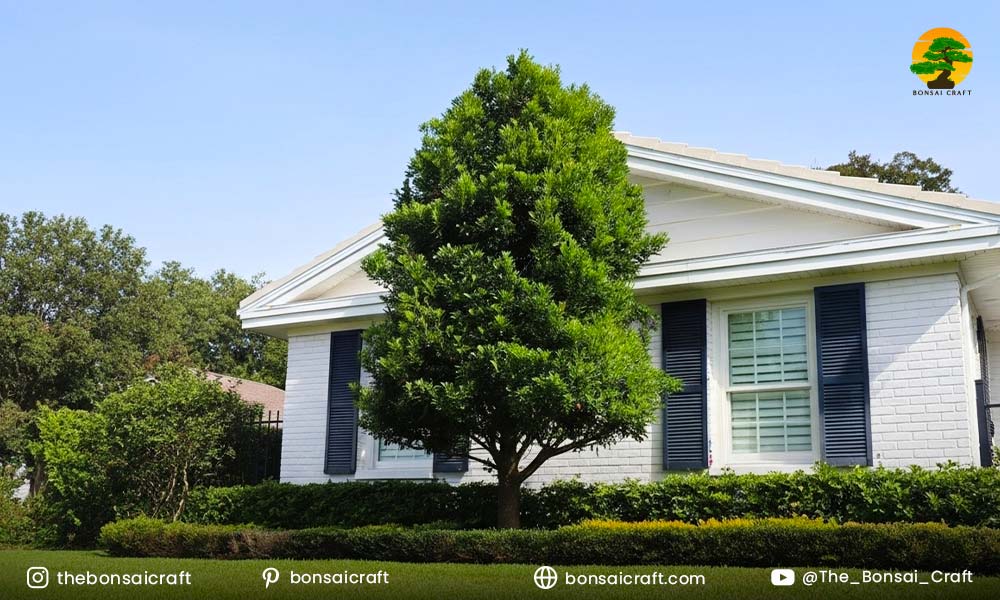
The laurus nobilis tree grows as a dense, upright evergreen with a naturally pyramidal or rounded crown. In gardens, it is typically maintained as a compact shrub or small tree, though in favorable climates it can develop into a much larger specimen over time.
Its slow, steady growth allows gardeners to shape it with pruning, which is why laurus nobilis is commonly trained into standards, topiary forms, and formal hedges. Left unpruned, the plant develops a woody trunk and a dense canopy of glossy foliage.
How Big Does Laurus nobilis Grow?
Laurus nobilis typically grows between 10 and 30 feet tall and wide in cultivation, depending on climate and care. In ideal Mediterranean or coastal conditions, mature specimens can occasionally exceed this range, but most garden-grown trees remain smaller.
When grown in containers, the laurus nobilis size is significantly reduced, often staying between 5 and 10 feet tall for many years. Regular pruning further limits height and spread, making container-grown bay trees manageable even in small spaces.
How Tall Does Laurus nobilis Grow in Different Settings?
The final height of laurus nobilis depends strongly on whether it is grown in the ground or in a container. Landscape-grown plants in warm climates have the potential to grow tall over decades, while potted plants remain compact due to restricted root space.
Garden hedges are usually maintained at 4 to 8 feet tall, while ornamental trees may be allowed to reach 12 to 20 feet. Bonsai specimens, by contrast, are intentionally kept miniature through pruning and root control.
Laurus nobilis Growth Rate Explained
Laurus nobilis has a slow to moderate growth rate, usually producing 8 to 16 inches of new growth per year This controlled pace is one of its greatest strengths, as it allows precise shaping and reduces the need for constant pruning.
Growth slows noticeably in cooler climates, during winter dormancy, or when plants are grown in containers. Excessive fertilization does not dramatically increase growth and can instead cause weak, leggy shoots.
Ideal Climate and Hardiness for Laurus nobilis
Laurus nobilis grows best in mild, temperate climates with warm summers and minimal frost. It is well-suited to USDA hardiness zones 8 through 10, where winter temperatures rarely drop below freezing for extended periods.
In colder regions, bay laurel can still be grown successfully in containers and moved indoors during winter. Young plants and newly transplanted trees are more sensitive to cold damage than established specimens.
Light Requirements for Healthy Growth
Laurus nobilis thrives in full sun to partial shade, with at least six hours of direct sunlight per day. Full sun promotes dense growth and strong leaf aroma, while partial shade is beneficial in extremely hot regions to prevent leaf scorch.
Indoor plants require the brightest possible location, ideally near a south- or west-facing window. Insufficient light often results in slow growth, pale leaves, and weak branching.
Light exposure plays a critical role in evergreen health, and this bonsai tree light guide explains how sunlight intensity affects leaf quality, aroma, and growth stability.
Soil Preferences and Drainage Needs
Well-drained soil is essential for laurus nobilis, as the plant is highly sensitive to waterlogged roots. It tolerates a range of soil textures, including loam, sandy soil, and light clay, provided drainage is adequate.
For container plants, a free-draining potting mix with added grit or perlite is recommended. Poor drainage is the most common cause of root rot and long-term decline in bay laurel trees.
How to Grow Laurus nobilis from Planting to Establishment
Growing laurus nobilis successfully starts with choosing the right location and planting method. Outdoor planting should be done in spring or early autumn, allowing roots to establish before temperature extremes.
Plant the tree at the same depth it was growing previously, firm the soil gently, and water thoroughly. Mulching helps conserve moisture while keeping soil temperatures stable, but mulch should not touch the trunk.
Watering Practices for Laurus nobilis
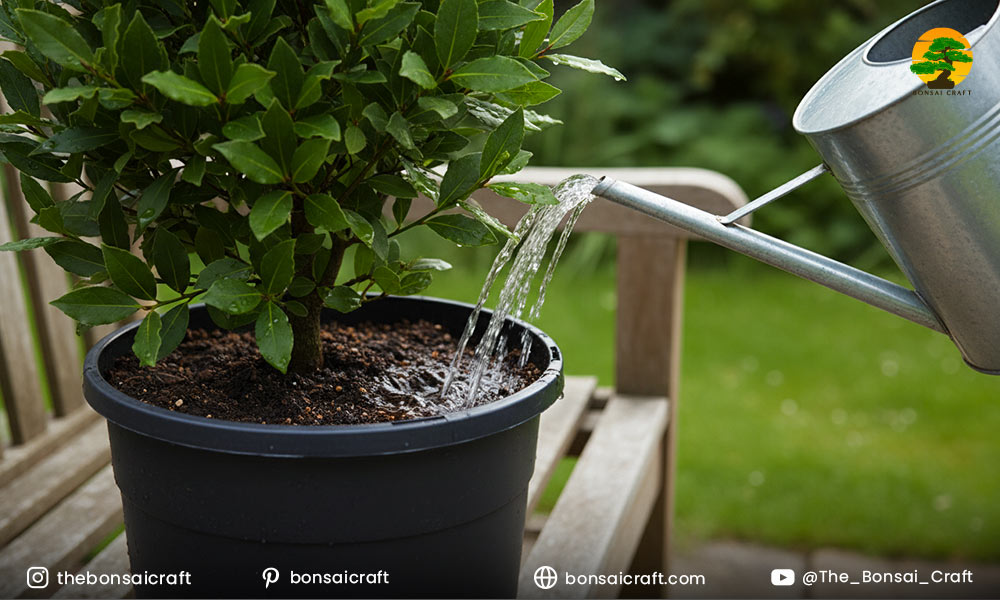
Laurus nobilis prefers consistent moisture without soggy soil. Young plants require regular watering during establishment, while mature trees become moderately drought-tolerant once roots are established.
Container plants need more frequent watering, especially in summer. However, the soil should always dry slightly between waterings to prevent fungal problems.
How to Care for Laurus nobilis Long Term
Long-term care for laurus nobilis focuses on light pruning, careful watering, and seasonal protection. Minimal fertilization is needed; a balanced, slow-release fertilizer applied in spring is usually sufficient.
Pruning can be done at almost any time, but late spring through summer is ideal for shaping. Removing dead or crossing branches improves airflow and reduces pest risk.
Laurus nobilis Leaves: Culinary and Practical Use
Laurus nobilis leaves are harvested for culinary use and valued for their strong, aromatic flavor. Fresh leaves are more pungent than dried ones, but both are commonly used in soups, stews, sauces, and rice dishes.
Leaves should be removed before serving, as they remain stiff even after cooking. Regular harvesting encourages new leaf production without harming the plant.
Laurus nobilis Flowers and Fruit
Laurus nobilis produces small yellow-green flowers in spring, followed by dark berries on female plants. The flowers are subtle and not highly ornamental, but they contribute to the plant’s ecological value.
Fruits are rarely seen in home gardens unless both male and female plants are present. While visually interesting, they are not commonly used.
Laurus nobilis Hedge and Shrub Uses
Laurus nobilis can be grown as a formal hedge or dense evergreen shrub with regular pruning. Its thick foliage provides year-round screening and responds well to shaping, making it suitable for privacy hedges and garden structure.
Because growth is slow, hedge formation requires patience, but maintenance is minimal once the desired size is reached.
Laurus nobilis as a Bay Tree in Containers
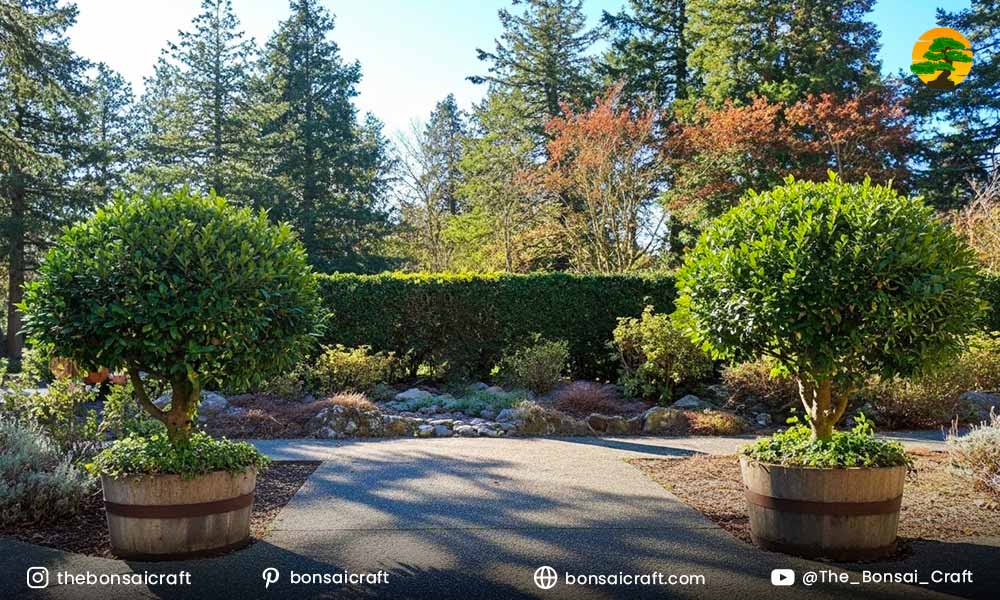
Growing laurus nobilis as a potted bay tree is ideal for colder climates and small gardens. Containers allow gardeners to move plants indoors during frost and control size through root restriction.
Choose a sturdy pot with excellent drainage and repot every few years to refresh the soil and prevent root binding.
For gardeners growing bay laurel in pots, this indoor bonsai trees guide explains airflow, light placement, and watering adjustments needed for long-term container success.
Bonsai and Decorative Training Uses
Laurus nobilis is occasionally used for bonsai and ornamental training due to its small leaves and pruning tolerance. While growth is slower than that of traditional bonsai species, it responds well to shaping over time.
Regular trimming and careful root management are essential to maintain proportion and health in miniature forms.
Common Pests and Diseases
Laurus nobilis may encounter pests such as scale insects, bay psyllids, and aphids under stress conditions. Good airflow, proper watering, and regular inspection help prevent infestations.
Root rot caused by poor drainage is the most serious disease concern. Correcting soil conditions early is key to plant survival.
Laurus nobilis Angustifolia and Named Varieties
Some cultivated forms, including narrow-leaf selections often labeled as angustifolia, are grown for ornamental differences. These varieties may offer slightly narrower leaves or denser growth but share the same care requirements as standard bay laurel.
Named selections such as ‘Saratoga’ or ‘Little Ragu’ are typically valued for compact growth or ornamental habit rather than culinary differences.
FAQs About Laurus nobilis
How fast does laurus nobilis grow?
Laurus nobilis grows slowly to moderately, usually adding less than a foot of growth per year. Growth depends on climate, light, and root space. Container plants grow more slowly, while in-ground trees in warm climates develop faster over time.
Can laurus nobilis survive winter cold?
Laurus nobilis tolerates light frost but suffers damage in prolonged freezing temperatures. In colder regions, container growing and winter protection are essential to prevent leaf burn and stem damage.
How often should I prune a bay laurel tree?
Bay laurel can be pruned lightly once or twice a year to maintain shape. Because it grows slowly, excessive pruning is unnecessary. Regular trimming encourages dense growth and prevents legginess.
Is laurus nobilis safe for indoor growing?
Laurus nobilis can grow indoors if provided with bright light and proper airflow. Low light and overwatering are the most common causes of indoor failure, so placement and watering discipline are critical.
How big does laurus nobilis grow in pots?
In containers, laurus nobilis usually remains between 5 and 10 feet tall for many years. Root restriction and pruning naturally limit size, making potted bay trees suitable for patios and balconies.
Conclusion
Laurus nobilis is a versatile, long-lived evergreen that rewards patience with beauty, utility, and resilience. Whether grown as a bay tree, hedge, shrub, or container plant, it thrives when given sunlight, excellent drainage, and moderate care. Understanding its slow growth and Mediterranean origins is the key to long-term success with this classic and valuable plant.