
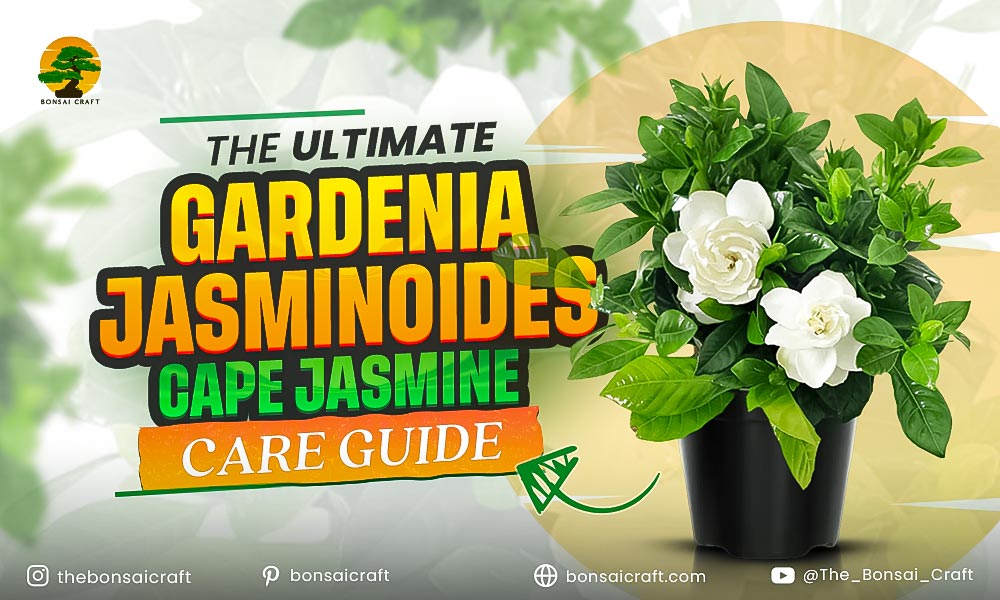
Gardenia jasminoides, commonly known as Cape Jasmine, is one of the most beloved specimens in the world of ornamental horticulture. Known for its waxy, ivory blossoms and a scent so potent it can perfume an entire yard, the gardenia plant is a staple of Southern landscapes and elegant indoor conservatories alike. While the gardenia flower is often associated with the American South, it actually hails from the subtropical regions of East Asia. This evergreen shrub belongs to the Rubiaceae family, making it a distant relative of the coffee plant, which explains its preference for rich, acidic environments.
Growing gardenias is often considered a “master-level” gardening task because they are notoriously sensitive to their environment. However, once you understand how to care for Gardenia jasminoides, the reward is a gardenia bush that provides year-round glossy green foliage and a seasonal explosion of fragrance. Whether you are interested in the August Beauty gardenia for its heavy blooming or the frostproof gardenia for its resilience in cooler climates, this guide provides the expert-level insight needed to succeed with these temperamental beauties.
For gardeners exploring fragrant, flowering shrubs, also see our guide on Gardenia bonsai care, which adapts Gardenia jasminoides principles to container cultivation.
What is Gardenia jasminoides?
Gardenia jasminoides is a broadleaf evergreen shrub characterized by its leathery, dark green leaves and highly fragrant, rose-like white flowers.
Commonly referred to as Cape Jasmine, this species is the most popular of the gardenia plants found in home gardens. It is distinguished by its “rugose” foliage, where the veins are deeply set into the leaf, creating a luxurious texture. The gardenia flowers themselves typically range from 2 to 5 inches in diameter and can be single or double-petaled, depending on the cultivar. Despite the name gardinia (a common misspelling), the plant was named after Dr. Alexander Garden, a Scottish-born naturalist living in South Carolina during the 18th century.
Other subtropical evergreens like Camellia japonica share similar care requirements and seasonal blooms, making them excellent companion plants.
How Big Does Gardenia jasminoides Grow?
A mature Gardenia jasminoides typically reaches a height of 5 to 6 feet with a similar spread, though size varies dramatically between cultivars.
If you are looking for a significant presence, the gardenia tree (often a standard-grafted version of a large shrub) can reach up to 8 feet in height. On the other end of the spectrum, dwarf varieties like ‘Radicans’ function as a prostrate gardenia plant, staying under 1 foot tall while spreading 2 to 3 feet wide. Understanding how big Gardenia jasminoides grows is essential for proper spacing in your landscape, as crowding can lead to poor air circulation and increased pest issues.
How to Take Care of Gardenia jasminoides
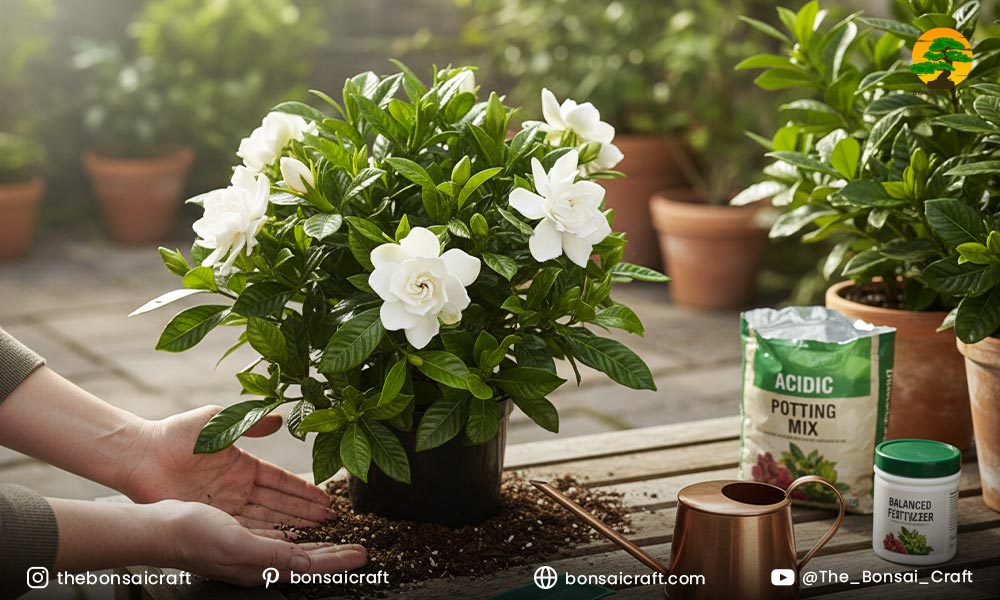
To effectively take care of Gardenia jasminoides, you must provide acidic soil with a pH between 5.0 and 6.5, high humidity, and consistent moisture.
Gardenia plants are “acid-lovers,” meaning they cannot absorb essential nutrients like iron if the soil pH is too high. If you notice yellowing leaves with green veins, your gardenia bush is likely suffering from iron chlorosis. Beyond soil chemistry, these plants require bright, filtered light. In most climates, morning sun followed by dappled afternoon shade is ideal to prevent the leaves from scorching while still providing enough energy for the gardenia flowers to develop.
Gardenia jasminoides: How Much Water?
Gardenias generally require at least 1 inch of water per week, and the soil should remain consistently moist but never waterlogged.
When considering Gardenia jasminoides, how much water is necessary? Consistency is the golden rule. Drastic swings between bone-dry soil and soggy roots will cause the plant to drop its flower buds before they ever open. To protect the gardenia flower, always water at the base of the plant; overhead watering can lead to leaf spot and ruin the pristine white petals of the gardenia flower. Using a 2-inch layer of organic mulch will help maintain this moisture balance and protect the shallow root system.
How to Plant Gardenia jasminoides
When learning how to plant Gardenia jasminoides, the most important factor is ensuring the root ball is positioned slightly above the soil line to facilitate drainage.
Dig a hole twice as wide as the root ball but no deeper. If your soil is heavy clay, amend it with peat moss or composted pine bark to increase acidity and drainage. Avoid planting near concrete foundations or walkways, as the lime that leaches from concrete can raise the soil pH and stress the gardenia plant. Once the plant is in the ground, water it thoroughly to settle the soil and remove any air pockets around the roots.
When Do Gardenias Bloom?
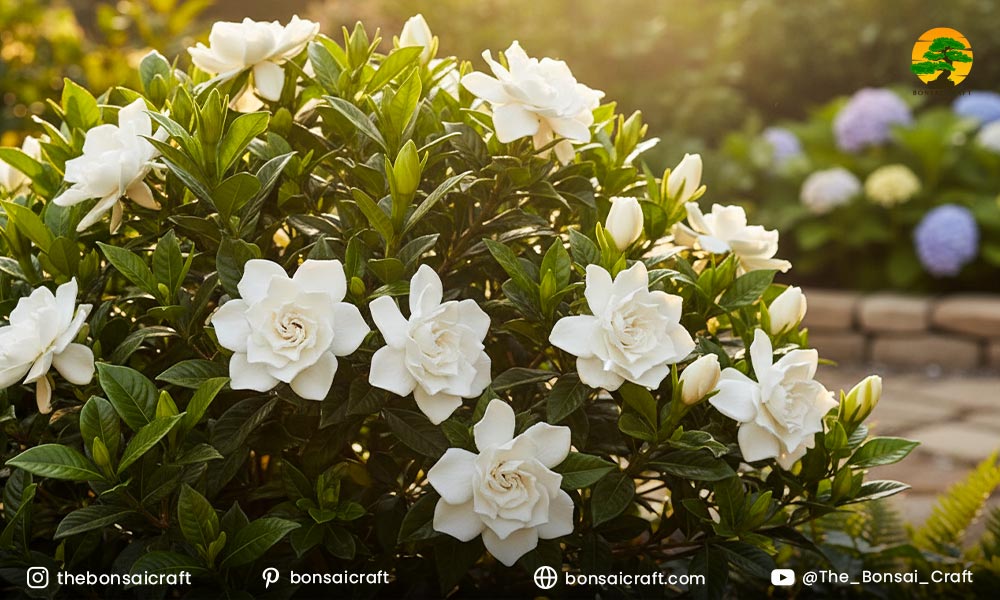
The primary blooming season for most gardenias occurs in late spring and early summer, typically peaking in May and June.
However, the specific timing of when do gardenias bloom depends heavily on the variety you choose. The August Beauty gardenia is famous for a secondary bloom in the late summer, while the gardenia August Beauty variety is specifically prized for its extended flowering season. To ensure a heavy bloom, night temperatures must consistently fall between 60°F and 62°F; if temperatures are too erratic, the gardenia flowers may fail to set.
How to Grow Gardenia jasminoides from Seeds
Growing gardenias from seed is a slow process that requires a controlled environment with high humidity and a constant temperature of 75°F.
While most gardeners prefer buying established gardenia plants, you can start them from seed by sowing them 1/4 inch deep in a mixture of peat moss and perlite. Because how to grow Gardenia jasminoides from seeds involves a long germination period, you must be diligent about keeping the starting mix damp but not moldy. It can take two to three years of growth before a seed-grown plant is mature enough to produce its first gardenia flower.
How to Germinate Gardenia jasminoides Seeds
Successful germination requires fresh seeds, a heat mat to maintain soil temperature, and a humidity dome to prevent the growing medium from drying out.
If you are wondering how to germinate Gardenia jasminoides seeds effectively, many experts recommend soaking the seeds in warm water for 24 hours prior to planting to soften the seed coat. Keep the seed tray in a spot with bright, indirect light but away from direct sun, which can overheat the seeds under the plastic dome. Be patient, as germination can take anywhere from four to eight weeks, and the seedlings are extremely fragile during their first few months.
Where to Buy Gardenia jasminoides
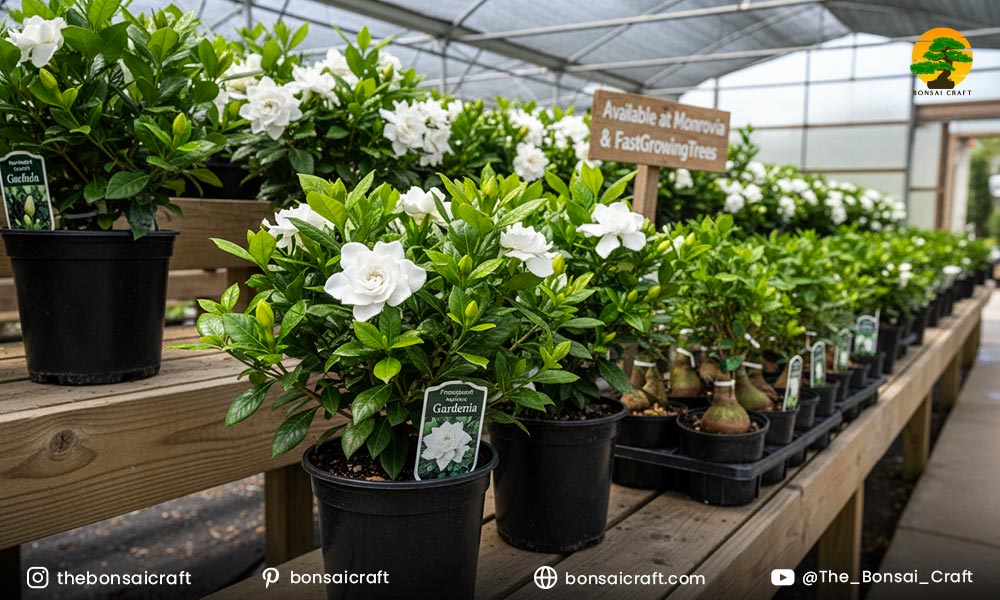
You can find Gardenia jasminoides at local nurseries, specialized plant boutiques, and major online retailers like Monrovia or FastGrowingTrees.
When deciding where to buy Gardenia jasminoides, consider your climate first. If you live in a region with occasional freezes, look specifically for a frostproof gardenia or frostproof gardenia (often sold under the cultivar name ‘Frostproof’). These varieties are specifically bred to withstand colder temperatures that would kill a standard cape jasmine. For indoor growing, look for “grafted” gardenias, which are often more resilient against root-knot nematodes and soil-borne diseases.
Gardenia Flower Meaning and Symbolism
The gardenia flower meaning is deeply rooted in themes of purity, secret love, and refinement. In the Victorian language of flowers, gifting gardenias was a way to tell someone they were lovely or to admit to a hidden crush. Today, gardenia flowers are a frequent choice for wedding bouquets not just for their scent, but because they symbolize the joy and purity of a new marriage. In some Asian cultures, the gardenia plant is also associated with grace and feminine beauty, often depicted in traditional silk paintings.
Choosing the Right Cultivar
- For Cold Hardiness: Look for the frost-proof gardenia. This variety can handle temperatures down to Zone 7 and is less likely to drop its buds during a late spring cold snap.
- For Large Blooms: The August Beauty gardenia is the gold standard, producing large, double-white flowers that can be seen from across the yard.
- For Groundcover: The ‘Radicans’ variety is a low-growing gardenia bush that creates a fragrant carpet of green and white.
- For Hedges: Using a gardenia plant like ‘Mystery’ allows for a taller, denser screen that doubles as a natural air freshener for your patio.
Frequently Asked Questions
How do I revive a dying gardenia bush?
Check the soil pH first, as most gardenia issues stem from alkaline soil that prevents nutrient uptake. If the pH is above 7.0, apply an acidifying fertilizer and ensure the plant is receiving consistent water without sitting in a puddle.
Why are my gardenia flowers turning brown?
Browning is usually caused by water touching the petals or by old age; gardenia blooms naturally turn a creamy yellow or brown as they fade. To keep the gardenia plant looking fresh, “deadhead” or remove the spent flowers as soon as they begin to discolor.
Can I grow a gardenia tree indoors?
Yes, but a gardenia tree requires very high humidity and at least 6 hours of bright light to thrive indoors. Use a humidifier or a pebble tray filled with water to keep the air moist, and move the plant outdoors during the summer months if possible.
Is the frostproof gardenia truly hardy?
The frostproof gardenia is significantly more resilient to cold than other varieties, but it still requires protection if temperatures drop below 10°F. Its main advantage is that its flower buds are more resistant to late-season frosts that would kill the blooms on an August Beauty.
How often should I fertilize gardenia plants?
You should feed your gardenia bush every 3-4 weeks during the growing season (March through October) with an acid-forming fertilizer. Stop fertilizing in the late fall to prevent new growth from being damaged by winter cold.
Conclusion
Mastering the care of Gardenia jasminoides is a journey of patience and attention to detail. From selecting the right frostproof gardenia for a chilly landscape to understanding how to take care of Gardenia jasminoides in a container, the key lies in mimicking their natural subtropical habitat. By prioritizing acidic soil, consistent moisture, and filtered light, you can ensure your gardenia flowers remain a highlight of your garden for years. The cape jasmine may be demanding, but one breath of its heavenly scent on a warm summer evening is all the proof you need that it is worth the effort.