
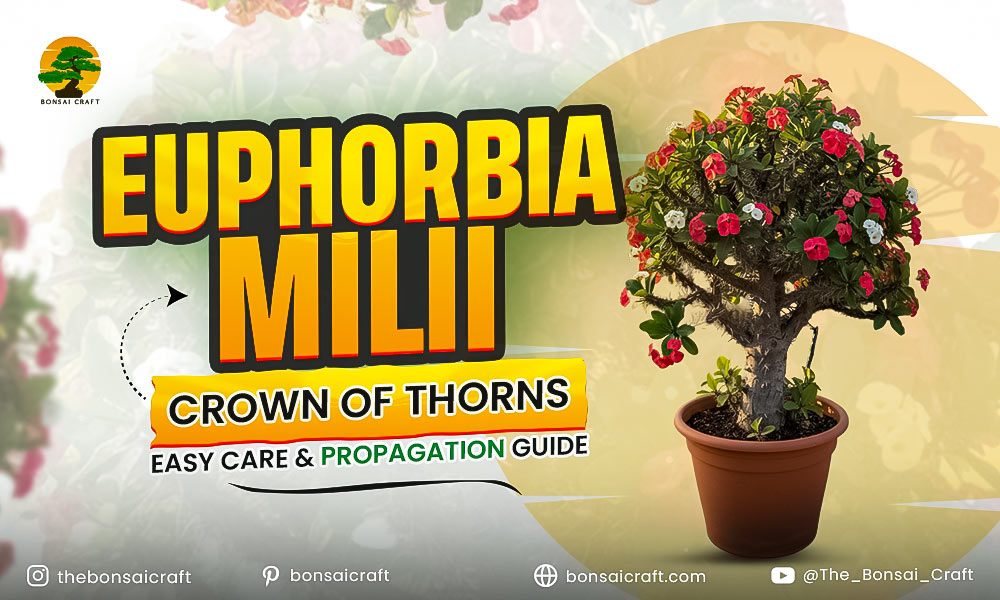
The Euphorbia milii (Crown of Thorns) is a remarkably resilient, semi-succulent shrub that has transitioned from the rocky terrain of Madagascar to become one of the most beloved houseplants and landscape features globally. Belonging to the vast and diverse euphorbia plant family, this species is celebrated for its ability to produce vibrant, long-lasting euphorbia flower bracts even under conditions that would cause other plants to wither. Often simply referred to as the crown of thorns, it carries a rich botanical history and a reputation for durability that makes it an ideal candidate for gardeners of all skill levels. Its unique combination of fleshy, water-storing stems and sharp, protective spines places it in a category of its own, functioning like a cactus but blooming like a tropical shrub.
For those interested in euphorbia milii care, the plant offers a rewarding experience due to its near-constant blooming cycle when given the proper environment. Whether you are cultivating it as a compact windowsill specimen or using it as a formidable security hedge in warmer climates, the crown of thorns plant serves as a striking focal point. In the following guide, we will delve deep into the mechanics of how to grow euphorbia milii, ensuring you have the expert knowledge required to navigate its specific needs for light, water, and safety. By understanding the native habitat of euphorbia milii (crown of thorns), we can replicate the conditions that allow this ancient species to thrive in a modern setting.
For gardeners new to semi-succulent plants, this complete bonsai care guide explains foundational concepts like watering balance, soil drainage, and pruning discipline that also apply to resilient species such as Crown of Thorns.
Optimal Lighting for Euphorbia milii Care
Euphorbia milii (Crown of Thorns) requires at least three to four hours of direct sunlight daily, though it performs best with six or more hours of bright, unfiltered light to produce consistent blooms.
When considering crown of thorns plant care, light intensity is the primary driver of the plant’s health and aesthetic appeal. In its natural Madagascan environment, this euphorbia plant is exposed to high-intensity solar radiation, which triggers the production of the colorful modified leaves known as bracts. If your euphorbia milii plant is kept in a low-light corner, it will likely drop its leaves and fail to produce any euphorbia flower clusters. For indoor cultivation, a south- or west-facing window is usually necessary to provide the “full sun” environment the plant craves. If you notice the stems stretching toward the light, a condition known as etiolation, it is a clear sign that the plant needs a brighter location.
The relationship between light and the crown of thorns flower color is significant. Many hybrids, such as the large-flowered Thai cultivars, will show faded or greenish bracts if they are deprived of adequate light. Conversely, too much sudden exposure to intense summer sun after being in a dark room can cause sunscald on the fleshy leaves. Therefore, when moving your crown of thorns (euphorbia milii) outdoors for the summer, it is wise to acclimate it gradually over a week. This ensures the foliage hardens off properly, allowing the plant to reach its maximum blooming potential without the stress of burned tissues.
How Often to Water Euphorbia milii
The correct way to water a Crown of Thorns is to soak the soil thoroughly and then allow the top 50% of the potting medium to dry out completely before watering again.
Knowing how often to water euphorbia milii is perhaps the most critical skill for preventing the most common cause of plant death: root rot. While many flowers with thorns are highly drought-tolerant, euphorbia milii is not a true desert cactus and does require regular moisture during its active growing season. During the spring and summer, you may find yourself watering every week, but this depends entirely on the ambient temperature and the type of pot used. In the winter, the plant enters a semi-dormant state where its metabolic processes slow down significantly. During this period, you should reduce the frequency of your crown of thorns care routine, watering only enough to prevent the stems from shriveling.
Watering technique is just as important as frequency. When providing euphorbia milii care, always apply water directly to the soil surface and avoid getting the foliage or the thorn crown wet. Trapped water in the crevices of the leaves or around the base of the stems can encourage fungal growth and botrytis. If you are using a saucer beneath your pot, ensure that you empty any standing water after fifteen minutes. A crown of thorns plant sitting in a pool of water will quickly develop yellowing leaves and mushy stems, which are the hallmark signs of an overwatered succulent.
To avoid common overwatering mistakes that lead to root rot in succulents, this ultimate guide to watering bonsai trees provides clear insight into moisture control and soil-drying cycles.
Choosing the Best Soil for Your Euphorbia Plant
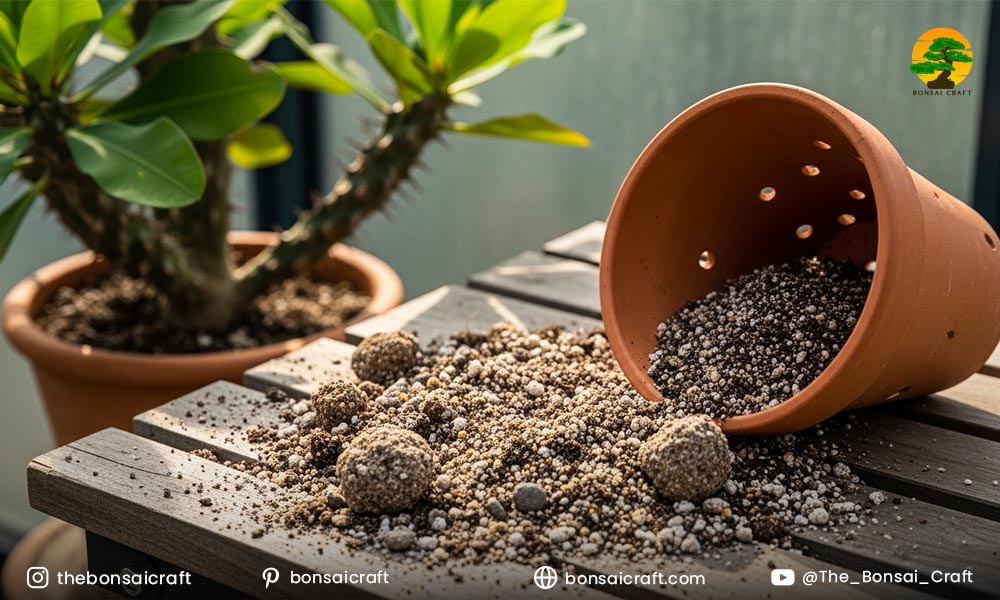
Euphorbia milii thrives in a fast-draining, gritty soil mix with a neutral to slightly acidic pH, ideally composed of two parts potting soil, two parts coarse sand, and one part perlite.
The foundation of how to take care of Euphorbia milii starts below the surface. Because the euphorbia plant is susceptible to moisture-related diseases, a standard heavy potting soil is generally unsuitable as it retains water for too long. A dedicated cactus or succulent mix is a better starting point, but even these often benefit from added drainage material like pumice or lava rock. The goal is to create a medium that allows oxygen to reach the roots while providing enough organic matter to sustain the plant’s nutritional needs.
If you are planting euphorbia species in the ground in USDA zones 9–11, you must ensure the site is not prone to flooding. Raised beds or mounds are excellent strategies for outdoor crown of thorns plant care, as they naturally gravity-drain excess rainwater. For container-grown plants, always select a pot with ample drainage holes. Terracotta pots are particularly well-suited for the crown of thorns (euphorbia milii) because the porous clay allows moisture to evaporate through the sides of the pot, providing an extra layer of protection against accidental overwatering.
Temperature and Humidity Requirements
The Crown of Thorns is a tropical plant that prefers temperatures between 65°F and 90°F (18°C–32°C) and will suffer tissue damage if exposed to temperatures below 50°F (10°C).
Maintaining the right temperature is a vital aspect of how to take care of Euphorbia milii over the long term. While the plant can tolerate the dry air found in most homes during the winter, it is highly sensitive to cold drafts. If placed near a drafty window or an air conditioning vent, the euphorbia milii plant may suddenly drop all its leaves as a stress response. If you live in a climate where temperatures fluctuate, it is safer to keep your thorn crown indoors year-round or move it outside only when the nighttime lows are consistently above 60°F.
Humidity is rarely a concern for this species, which makes it an excellent choice for modern apartments with central heating. Unlike many other tropical plants with thorns, euphorbia milii does not require misting or humidity trays. In fact, excessively high humidity combined with poor air circulation can lead to powdery mildew on the leaves. To ensure the best results, keep the air around your euphorbia plant moving, especially during the humid summer months, to keep the foliage dry and the plant healthy.
Plants adapted to warm climates often struggle indoors without proper airflow and placement, and this guide on the best bonsai trees for beginners explains how environmental stability improves resilience.
Fertilizing for a Continuous Euphorbia Flower Display
To encourage year-round blooming, apply a balanced, water-soluble fertilizer diluted to half-strength once every two weeks during the spring and summer months.
While euphorbia milii is not a heavy feeder, a steady supply of nutrients is required to sustain the energy-intensive process of flowering. When looking at how to grow euphorbia milii to its full potential, a fertilizer with a slightly higher phosphorus count, the middle number on the N-P-K label, is often beneficial for bract production. However, be cautious with nitrogen-rich fertilizers; too much nitrogen will promote lush, green leaf growth at the expense of the crown of thorns flower.
During the late autumn and winter, you should cease all fertilization. The plant’s growth slows down naturally as light levels decrease, and adding nutrients during this time can lead to a buildup of mineral salts in the soil. These salts can burn the sensitive roots of the euphorbia plant, leading to brown leaf tips and a general decline in vigor. A good rule of thumb for crown of thorns care is to fertilize only when you see active new growth appearing at the tips of the stems.
How to Prune Euphorbia milii Safely
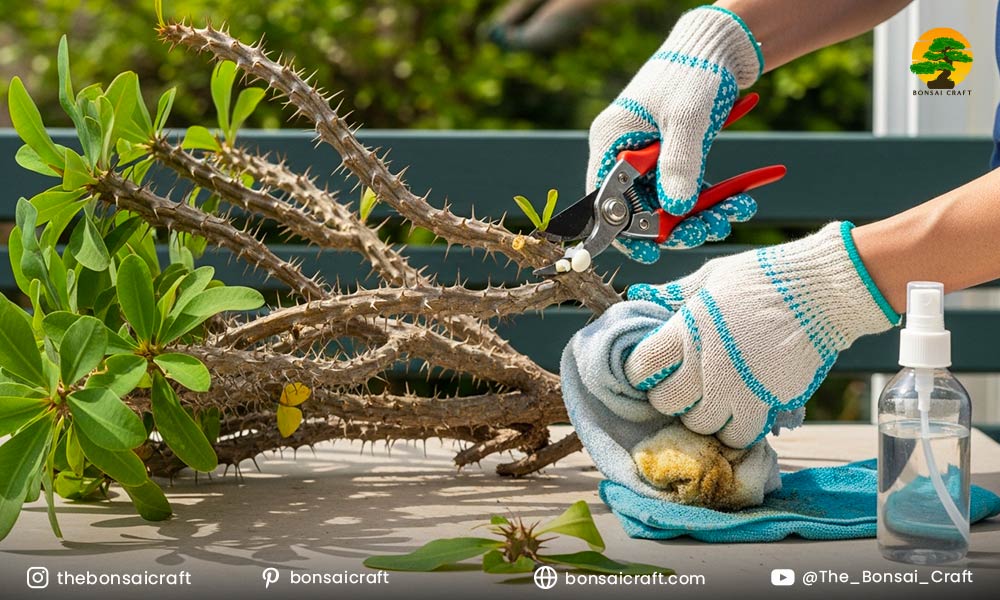
Pruning Euphorbia milii should be done in late spring to remove leggy growth and encourage a bushier habit, but it must be performed with gloves to avoid the irritating milky sap.
Knowing how to prune euphorbia milii is essential for maintaining an attractive shape, especially for older plants that tend to become “leggy” or sparse at the base. To prune, use a pair of sharp, sterilized bypass pruners to cut back overgrown stems to a leaf node or a branch junction. This stimulates the dormant buds just below the cut to sprout, resulting in a denser thorn crown. However, you must be extremely careful; every member of the euphorbia genus produces a white, latex-like sap that is a known skin and eye irritant.
When you prune your crown of thorns plant, keep a damp cloth or a spray bottle of cool water nearby. Misting the fresh cuts with water can help coagulate the sap and stop it from dripping onto your floors or skin. If you are growing the plant as a euphorbia milii bonsai, pruning is a more delicate, ongoing process of pinching back new growth to maintain a miniature tree-like structure. Regardless of the size, always dispose of the clippings safely where pets and children cannot reach them.
How to Propagate Crown of Thorns Successfully
The most effective method for how to propagate euphorbia milii is to use 3- to 4-inch stem cuttings that have been allowed to callus for several days before being placed in a sandy rooting medium.
If you want to expand your collection, learning how to propagate crown of thorns is a simple and rewarding process. Start by selecting a healthy, non-flowering stem and making a clean cut. Immediately dip the cut end in cool water to stop the sap flow, then set the cutting aside in a warm, dry area out of direct sunlight. This “callusing” period is the most important step in how to grow euphorbia milii from cuttings. Without a hardened callus, the open wound will likely rot as soon as it touches the moist soil.
After three to five days, when the cut end feels dry and corky, insert the cutting about an inch deep into a mixture of sand and perlite. Unlike many other propagation projects, you should not cover euphorbia milii cuttings with plastic or a humidity dome, as the trapped moisture will cause the stem to decay. Place the pot in a bright area with indirect light and keep the medium barely moist. Roots typically form within six to eight weeks, at which point you can begin following standard euphorbia milii care guidelines. This is the primary way that how to propagate euphorbia milii is handled by commercial nurseries and hobbyists alike.
Understanding propagation techniques across plant types can improve success rates, and this bonsai propagation guide outlines principles that also apply to stem-based propagation methods.
Common Pests and Problems in Crown of Thorns Care
While naturally pest-resistant due to its toxic sap, the Crown of Thorns can occasionally be targeted by mealybugs, scale insects, and spider mites.
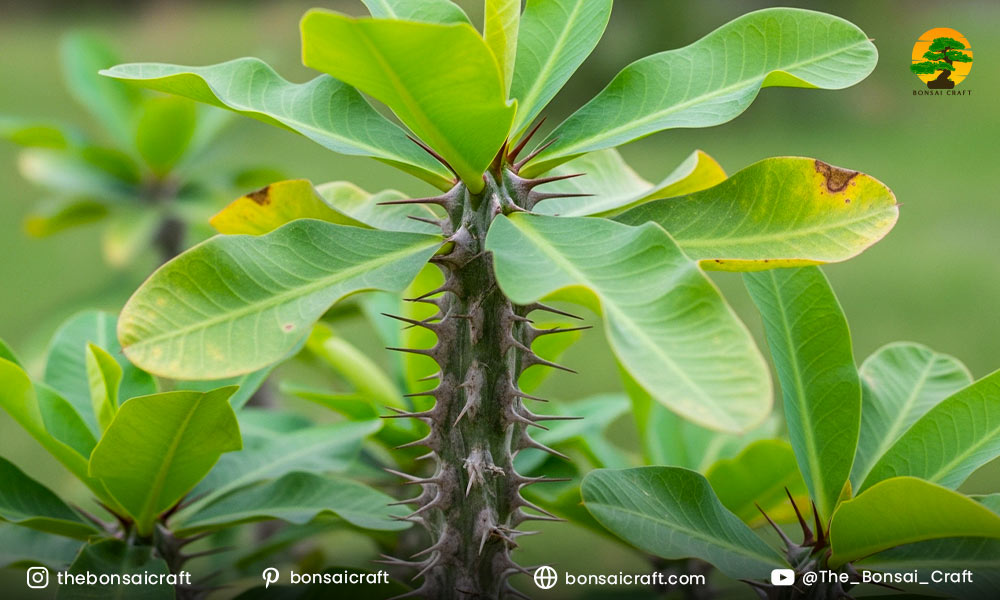
Monitoring your euphorbia plant for pests is a key part of long-term maintenance. Mealybugs, which look like small bits of white cotton, often hide in the tight spaces where the leaves meet the thorn crown. If you spot an infestation, you can treat it by dabbing the insects with a cotton swab soaked in isopropyl alcohol or by using a mild insecticidal soap. Spider mites may also appear if the air is exceptionally dry, creating fine webbing between the spines. Increasing the distance between plants and ensuring good airflow are the best preventative measures in crown of thorns care.
The most frequent “problem” reported by owners of the euphorbia milii plant is sudden leaf yellowing and drop. In most cases, this is not a disease but a cultural issue. It often happens when the plant is moved to a new location or when the soil has been allowed to stay too dry for too long. If the stems remain firm and the light levels are adequate, the plant will usually grow new leaves once it adjusts to its new environment. However, if the stems feel soft or mushy, it is a sign of rot, and the affected areas must be removed immediately to save the rest of the crown of thorns (euphorbia milii).
Landscape Uses: Hedges and Security
In frost-free climates, the Euphorbia milii plant is frequently used as a low-maintenance, drought-tolerant hedge that provides both beauty and natural security.
Because of its dense growth habit and the sharp spines that define the thorn crown, this plant is an excellent choice for a “living fence.” In regions like Florida, Southern California, and the Caribbean, plants with thorns like the E. milii are planted along property lines to deter intruders and animals. These hedges require very little water once established and can be sheared to maintain a specific height. The constant presence of the euphorbia flower makes it a much more attractive security option than traditional fencing.
Furthermore, the salt tolerance of the crown of thorns plant makes it a favorite for coastal gardens where sea spray might kill less hardy species. Whether you are using the giant “Thai” varieties that can reach five feet in height or the smaller “milii” varieties for border edging, the plant’s adaptability is unmatched. Its ability to thrive in poor, sandy soils where other flowers with thorns might struggle ensures its popularity in xeriscaping and sustainable landscape design.
Safety and Toxicity: Handling with Care
All parts of the Euphorbia milii are toxic to humans and pets, containing a milky sap that can cause severe skin irritation and gastric distress if ingested.
Safety is a non-negotiable part of how to take care of euphorbia milii. The sap contains diterpene esters, which are highly irritating to the mucous membranes. If the sap gets into the eyes, it can cause temporary blindness and intense pain; if swallowed, it causes swelling of the mouth and throat. Because of the plants with thorns nature and the chemical defense of the sap, this plant should always be kept out of reach of curious pets and children.
When working with your euphorbia plant, always wear long sleeves and gloves. If you accidentally come into contact with the sap, wash the area immediately with soap and water. Despite these warnings, the crown of thorns is a safe and beautiful plant to keep as long as it is handled with proper respect. Its thorns actually serve as a helpful physical reminder to keep a safe distance, making it less of a hidden danger than other toxic but smooth-leaved houseplants.
FAQs
How often should I water my Crown of Thorns in the winter?
In the winter, you should water your Crown of Thorns only once every three to four weeks, or when the stems begin to show slight signs of shriveling. This reduction in water accounts for the plant’s dormant period and the lower light levels, preventing the roots from sitting in cold, damp soil which leads to rot.
Why is my Euphorbia milii not blooming?
The most common reason a Crown of Thorns fails to bloom is a lack of sufficient sunlight, as the plant needs at least six hours of bright light to produce flowers. If your plant is green and healthy but has no bracts, try moving it to a sunnier window or adding a supplemental grow light to stimulate euphorbia flower production.
Is the Crown of Thorns a type of cactus?
No, the Crown of Thorns is a succulent member of the Euphorbia family and is not biologically related to the Cactaceae (cactus) family. While it has spines and stores water in its stems like a cactus, its floral structure and milky sap are defining characteristics of euphorbia species.
Can I grow Euphorbia milii indoors?
Yes, Euphorbia milii is an excellent houseplant that thrives indoors, provided it is placed in a very sunny south-facing window. It is actually one of the few houseplants that can tolerate the dry air produced by indoor heating systems, making crown of thorns care easier for those in northern climates.
How do I stop the sap from dripping when I prune?
To stop the sap from dripping, you can spray the fresh cut with cool water or dab it with a wet paper towel to help the latex coagulate quickly. This is a vital step in how to prune euphorbia milii to prevent the irritating sap from getting on your skin or staining your furniture.
Conclusion
The Euphorbia milii (Crown of Thorns) stands as a testament to the beauty and resilience of the plant kingdom. By providing it with ample sunlight, well-draining soil, and careful watering, you can enjoy a nearly eternal display of colorful euphorbia flower bracts. While its sharp spines and toxic sap require a level of caution, the ease of euphorbia milii care makes it a standout choice for both indoor enthusiasts and outdoor landscapers. Whether you are learning how to propagate euphorbia milii to share with friends or simply enjoying the architectural presence of your thorn crown, this plant remains a timeless classic in the world of horticulture.