

The Cercis canadensis, or Eastern Redbud, is one of the most celebrated ornamental trees in North America. Known for its dazzling early spring blooms, this deciduous tree is perfect for adding color to gardens, parks, and landscapes. Whether you’re planting the classic Eastern Redbud or the striking ‘Rising Sun’ variety, proper care ensures your tree thrives year after year. This guide will explore everything you need to know to care for and nurture your Cercis canadensis, from planting tips to pruning techniques.
What is Cercis Canadensis? Understanding the Eastern Redbud Tree
Cercis canadensis (Eastern Redbud) is a deciduous tree native to eastern North America. It belongs to the pea family (Fabaceae) and is known for its early spring bloom of pink to reddish‑purple flowers. The flowers appear in clusters along the branches and even on the trunk, creating a striking visual impact. The tree’s heart-shaped leaves turn yellow in the fall, providing seasonal interest.
Growing 20 to 30 feet in height, Cercis canadensis is known for its attractive, rounded crown and relatively small size compared to other landscape trees, making it suitable for a variety of spaces. With varieties like the ‘Rising Sun’ Redbud, which boasts vibrant golden foliage, the tree becomes a statement piece in any garden.
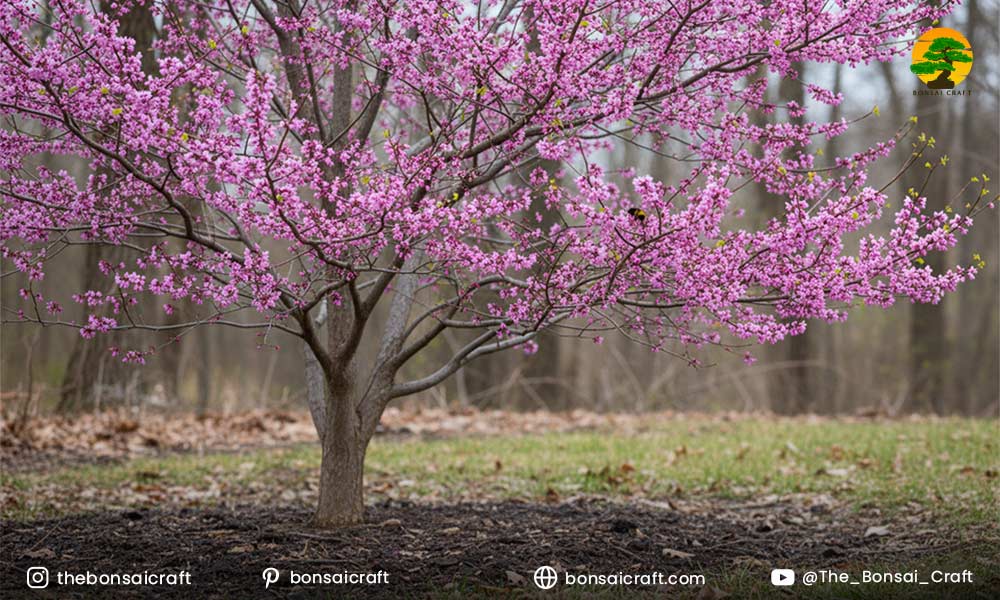
Learn when Cercis canadensis blooms and what to expect during its vibrant spring flowering season
When Does Cercis Canadensis Bloom? Timing and Flowering Season
Cercis canadensis is an early bloomer. Typically, the Eastern Redbud begins to bloom in early spring, often as early as March to April in temperate zones. The flowers emerge before the leaves, creating an eye-catching display of vibrant pink to purple clusters that cover the branches. This bloom typically lasts for 2 to 3 weeks, depending on the climate. The Eastern Redbud is known to attract early pollinators like bees and butterflies due to its sweet nectar.
Cercis Canadensis Care: How to Grow and Maintain a Thriving Tree
Proper care for Cercis canadensis is relatively simple, but there are several key elements to ensure healthy growth and longevity:
Sunlight & Location
Cercis canadensis thrives in full sun to partial shade. While it can tolerate some shade, full sun encourages better flowering and overall health. A location with at least 4 to 6 hours of direct sunlight daily is ideal for vibrant blooms. Ensure the planting area is not too crowded, as the tree needs room to spread its branches.
Soil & Watering
Eastern Redbuds are relatively adaptable to different soil types but perform best in well-drained, fertile soil. It tolerates a variety of soil textures, including clay, sandy, or loamy soils, as long as they are well-drained. The tree should never sit in waterlogged conditions, as this can lead to root rot.
Water the tree regularly, especially during the growing season, to keep the soil consistently moist but not soggy. Once the tree is established, it becomes moderately drought-tolerant. During dry spells, however, deep watering will ensure healthy foliage and flowering.
Hardiness Zones
Cercis canadensis is hardy in USDA hardiness zones 4 to 9. This means it can thrive in a variety of climates, from the colder regions of the northern U.S. to the warmer zones in the southern U.S. However, it is not suitable for areas with severe winters or excessive heat. If you’re in a particularly cold region, choose a cultivar that is known for its cold hardiness.
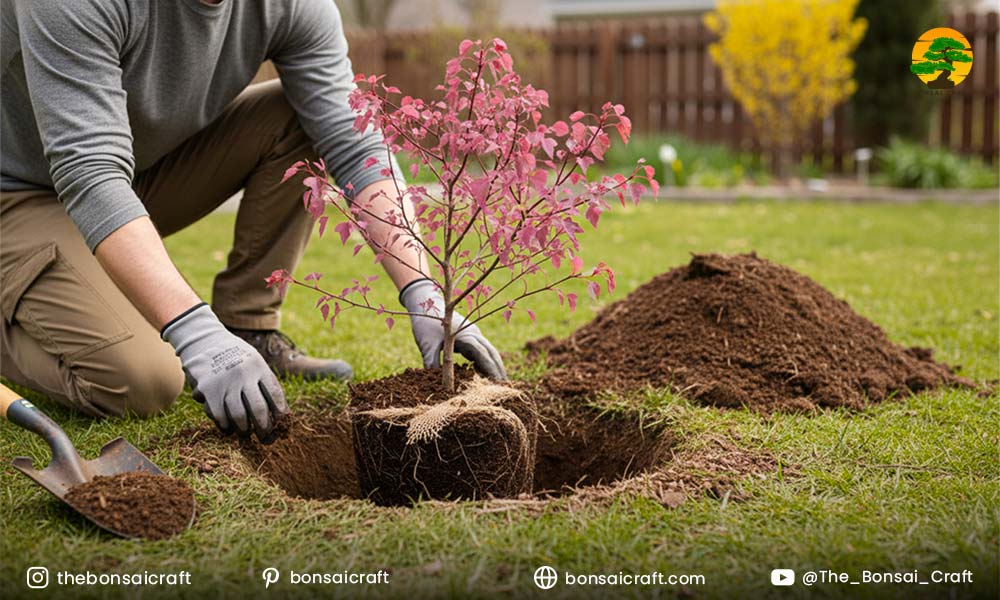
A step-by-step guide on how to plant Cercis canadensis for healthy roots and long-term growth.
How to Plant Cercis Canadensis: A Step‑by‑Step Guide
Planting Cercis canadensis involves a few simple steps that can make all the difference for the tree’s long-term health:
Select the Right Spot: Choose a location with full sun to partial shade. The tree needs space to grow, so avoid areas with competing roots or too much shade. Ensure the soil is well-drained and loose enough for the roots to establish themselves easily.
Planting Time: Early spring or fall is the best time to plant Cercis canadensis, as these seasons offer moderate temperatures that encourage root development. Avoid planting in the hot summer months, as this can stress the tree.
Digging the Hole: The planting hole should be about twice as wide as the root ball but no deeper than the root ball’s height. This allows the roots to spread out easily and prevents the tree from being planted too deeply.
Planting the Tree: Gently remove the tree from its container and loosen any roots that are circling. Place the tree in the hole so that the top of the root ball is level with the surrounding ground. Backfill with soil, patting it down gently to eliminate air pockets. Water thoroughly after planting.
Mulch and Water: Apply a 2‑inch layer of organic mulch around the base of the tree, being careful not to pile it against the trunk. Water deeply to settle the soil around the roots. Regular watering during the first year is crucial for establishing strong roots.
How to Prune Cercis Canadensis for Healthy Growth
Pruning Cercis canadensis helps maintain the tree’s shape and removes dead or damaged branches, improving airflow and encouraging healthier growth. Pruning should be done during the late winter or early spring, just before the new growth begins.
- Remove Dead or Diseased Wood: Cut back any dead, damaged, or diseased branches to prevent them from spreading infection.
- Shape the Tree: Lightly prune the tree’s structure to maintain an open, rounded shape. Remove any crossing branches to avoid rubbing.
- Limit Heavy Pruning: Avoid excessive pruning, as this can impact the tree’s flowering. Redbuds do not require heavy pruning and typically thrive with minimal intervention.
Cercis Canadensis ‘Rising Sun’: A Beautiful Variegated Variety
The ‘Rising Sun’ variety of Cercis canadensis has gained popularity due to its striking foliage. This cultivar is characterized by golden to apricot-colored leaves that eventually transition to green as the season progresses. The leaves create a vibrant effect, especially in spring and early summer, making it a standout option for smaller gardens or as a specimen tree. Like the original species, it blooms in early spring, with vibrant pink flowers.
This variety is compact, typically growing to around 10 to 15 feet in height, making it an excellent choice for urban gardens or areas where space is limited. The ‘Rising Sun’ Redbud adds both color and texture, providing year-round interest.
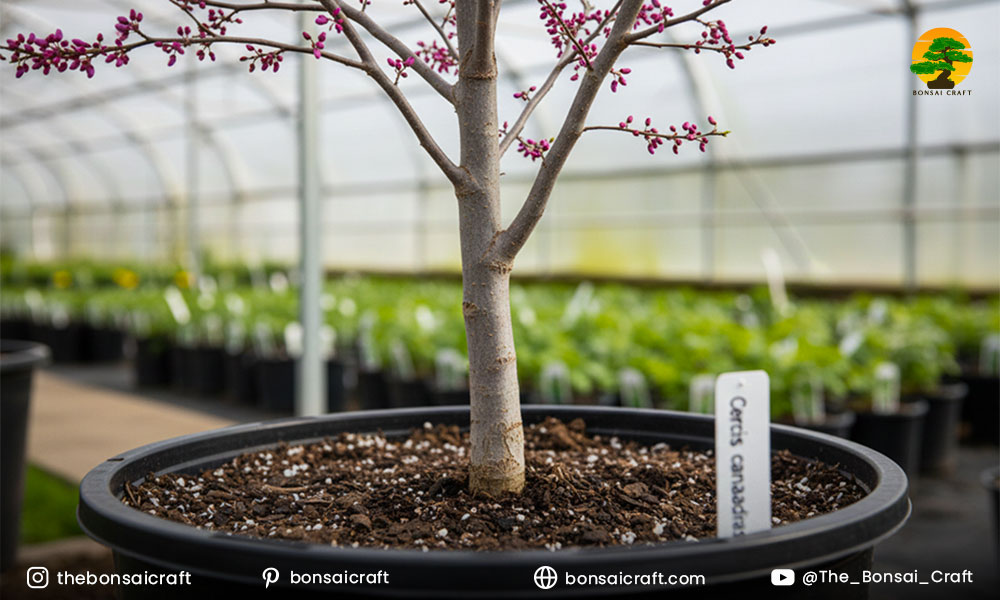
Find out where to buy Cercis canadensis and how to choose healthy plants from trusted sources.
Where to Buy Cercis Canadensis: Best Sources and Tips
If you’re looking to purchase Cercis canadensis, you can find this tree at several reputable nurseries, both online and locally:
- Nature Hills Nursery: Offers a variety of Cercis canadensis cultivars, including the popular ‘Rising Sun’ variety. They provide convenient online shopping options.
- Arbor Day Foundation: Known for its bare-root trees, this organization offers Eastern Redbuds in a range of sizes.
- Local Nurseries and Garden Centers: Many garden centers stock Cercis canadensis in spring, especially during tree planting season.
Conclusion
Cercis canadensis, with its stunning blooms and adaptable nature, is a fantastic tree for a variety of landscapes. Whether you’re choosing the classic Eastern Redbud or the vibrant ‘Rising Sun’ cultivar, this tree offers striking beauty and seasonal interest. By following the simple care tips outlined above, you can ensure that your Cercis canadensis thrives and enhances your garden for many years to come.
FAQs
How tall does Cercis canadensis grow?
Cercis canadensis typically grows to 20–30 feet in height and width. Its compact size makes it ideal for various landscapes, from small gardens to larger yards. It provides excellent ornamental value with its stunning spring blooms and attractive foliage throughout the year.
Can I plant Cercis canadensis in partial shade?
Yes, Cercis canadensis can tolerate partial shade, but it thrives best in full sun, where it will flower most profusely. Ensure the tree gets at least 4 to 6 hours of direct sunlight per day for optimal growth and blooming, although some shade is acceptable in warmer regions.
When should I prune my redbud tree?
Prune your Cercis canadensis in late winter or early spring, before new growth starts. Remove any dead, damaged, or crossing branches to improve air circulation and encourage healthy growth. Avoid heavy pruning, as it may reduce the tree’s flowering potential.
Are redbud flowers edible?
Yes, the flowers of Cercis canadensis are edible and can be used in a variety of dishes. They have a mildly sweet flavor and can be added to salads, used in fritters, or incorporated into other culinary creations. They are safe to consume in moderation.
Is Cercis canadensis suitable for small gardens?
Yes, especially the ‘Rising Sun’ cultivar, which grows to about 10 to 15 feet in height. This compact size makes it perfect for smaller gardens or urban landscapes. Its beautiful foliage and spring flowers make it an attractive addition to limited spaces.