

Buxus sempervirens, commonly known as boxwood, is a classic evergreen shrub cherished for its versatility in landscaping. This resilient shrub offers dense, dark green foliage and a compact size, making it ideal for creating formal hedges, borders, and even decorative topiary. Whether you’re designing a traditional garden or a modern outdoor space, understanding how to properly plant and care for Buxus sempervirens ensures long-lasting beauty with minimal effort. Its slow growth and ability to withstand pruning make it a standout choice for gardeners looking for a low-maintenance yet stylish plant.
What is Buxus sempervirens?
Buxus sempervirens is a popular evergreen shrub in the Buxaceae family. Often referred to as common boxwood, this shrub is native to Europe and parts of Asia Minor. Buxus sempervirens is characterized by its dense, glossy green leaves and ability to tolerate heavy pruning. These qualities make it an ideal candidate for hedges, topiary, and landscape borders. Boxwood is known for its slow growth, reaching a height of 1 to 20 feet depending on the variety. Its resilience and versatile nature make it a staple in gardens worldwide.
For container gardening or indoor boxwood care, see our guide on Indoor Bonsai Trees for tips on adapting compact shrubs.
Common Names of Buxus sempervirens
Aside from its scientific name, Buxus sempervirens is commonly known as boxwood, due to the dense, durable wood the plant produces. The term “boxwood” comes from its wood, historically used for creating small items such as combs and tool handles. In the UK and other regions, Buxus sempervirens is sometimes referred to as English boxwood. It’s also important to note the different types of Buxus sempervirens varieties, such as Buxus sempervirens suffruticosa (dwarf boxwood) and Buxus sempervirens variegata (variegated boxwood), each offering unique characteristics. or inspiration on compact or ornamental shrubs, see Boxwood Bonsai.
Popular Varieties of Buxus sempervirens
When selecting Buxus sempervirens for your garden, you’ll find a range of varieties to suit different landscaping needs. The two most popular varieties are:
- Buxus sempervirens ‘Suffruticosa’ – Also known as dwarf boxwood, this variety is perfect for small hedges, low borders, and topiary. It typically grows to 1 to 2 feet in height and maintains a compact, rounded form. This variety is especially suited for container gardening and tight spaces.
- Buxus sempervirens ‘Variegata’ – This variety features green and creamy yellow edges on its leaves, providing a beautiful contrast in gardens. Buxus sempervirens variegata is often used for ornamental borders or as a focal point in flower beds.
Both varieties, along with the standard form of Buxus sempervirens, are ideal for creating clean, symmetrical shapes in the garden. Each offers different aesthetic options depending on your design preference. For similar evergreen shrubs and structured designs, see Best Bonsai Trees for Beginners.
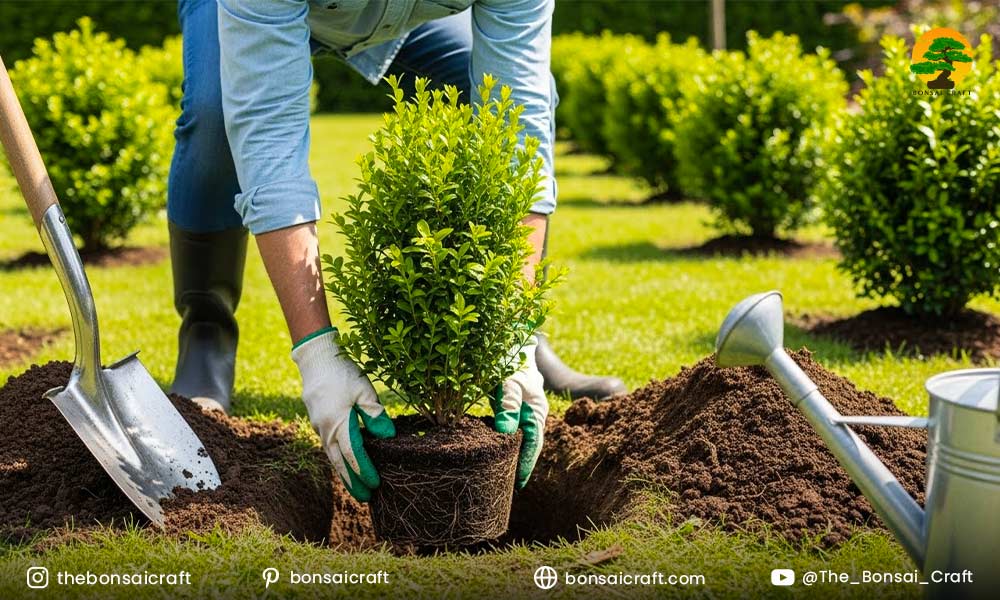
How to Plant Buxus sempervirens: A Step-by-Step Guide
Planting Buxus sempervirens requires careful attention to the location, soil, and spacing. Here’s a step-by-step guide to ensure successful planting:
- Select the Right Location: Buxus sempervirens thrives in well-drained soil and partial to full sun. It can tolerate some shade but grows best with 6 hours of direct sunlight daily. Choose a site that has good air circulation to avoid fungal diseases, such as boxwood blight.
- Prepare the Soil: Dig a hole that is twice as wide as the root ball, ensuring there’s ample space for roots to spread. Mix organic matter or compost into the soil to improve drainage and nutrition. For bonsai-style soil mix, see Bonsai Plant Soil.
- Planting: Place the boxwood into the hole, ensuring that the top of the root ball is level with the surrounding soil. Fill in with soil and press gently to remove air pockets. Water thoroughly after planting to help the roots settle in.
- Spacing: For hedges, space Buxus sempervirens about 18 to 24 inches apart to allow them to grow together and form a dense barrier. For individual plants or topiary, space them according to the desired design.
How to Care for Buxus sempervirens
Caring for Buxus sempervirens is relatively easy but requires consistent attention to ensure its long-term health. Here are some essential care tips:
- Watering: Water boxwood regularly, especially during dry spells, to ensure the soil remains moist but not waterlogged. Buxus sempervirens is susceptible to root rot in overly saturated soil, so avoid standing water.
- Fertilizing: Apply a slow-release, balanced fertilizer in early spring to encourage strong growth. Buxus sempervirens doesn’t require frequent feeding, but annual fertilization helps maintain healthy, dense growth.
- Pruning: Prune Buxus sempervirens regularly to maintain its shape. For hedges and topiary, light pruning in late spring or early summer is ideal. Always remove any dead or damaged branches to promote new growth. For pruning guidance, see Wire Bonsai Tree Step-by-Step Guide.
- Mulching: Apply a 2- to 3-inch layer of organic mulch around the base to retain moisture and protect roots from temperature extremes. Make sure the mulch is not piled against the stem to prevent rot.
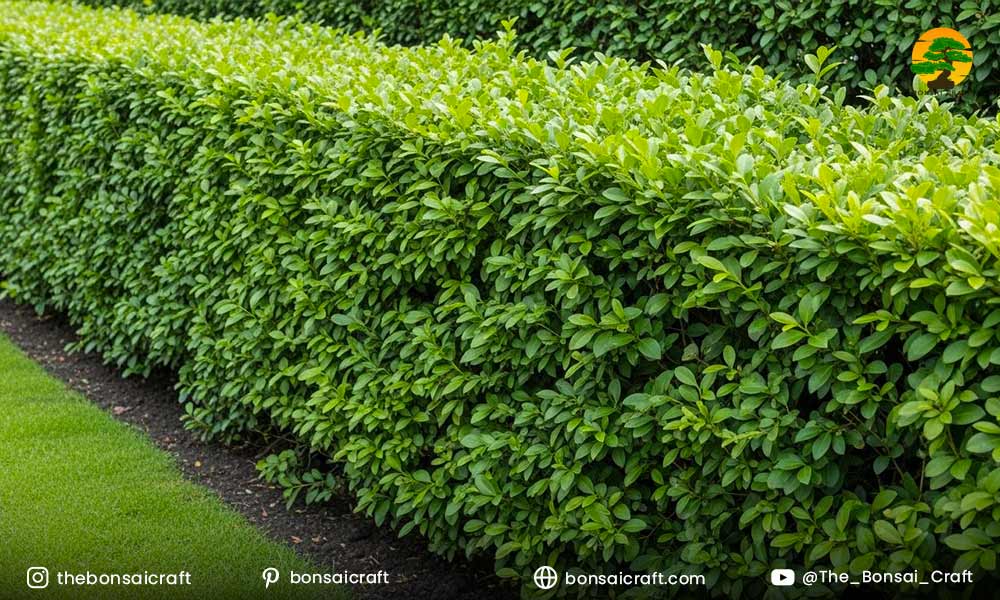
Buxus sempervirens Hedge: Creating a Neat, Green Barrier
Buxus sempervirens is widely used to create formal, neat hedges in gardens. Its ability to be shaped and maintained makes it an ideal shrub for creating privacy screens, garden borders, and decorative edges. For a dense, lush hedge, plant boxwood plants about 18 to 24 inches apart. Regular trimming will help maintain the desired height and thickness. Buxus sempervirens hedge requires consistent care, including watering, pruning, and monitoring for pests such as leaf miners and boxwood blight. For more hedging ideas, see Best Bonsai Pots for Bonsai Tree for container hedge inspiration.
How Fast Does Buxus sempervirens Grow?
One of the key characteristics of Buxus sempervirens is its slow growth rate. On average, this shrub grows between 6 inches to 1 foot per year, which makes it an excellent choice for gardeners who prefer low-maintenance plants. The slow growth means that boxwood will need less frequent pruning and is less likely to outgrow its space quickly. However, gardeners should be patient, as it may take several years for boxwood to reach its full size and form.
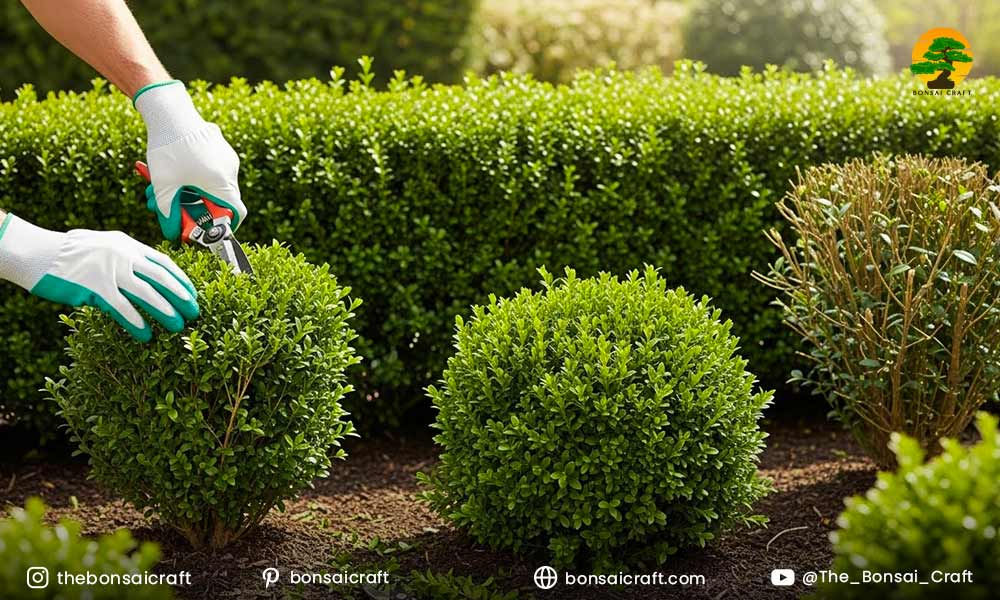
When to Prune Buxus sempervirens
Pruning Buxus sempervirens is essential to maintain its compact and dense shape. The best time to prune is in late spring or early summer, just after the plant has finished its primary growth cycle. Avoid pruning too late in the season to prevent cutting off potential buds for the following year. For hedges, topiary, or individual plants, regular trimming helps encourage thick, lush growth. Always remove any dead, diseased, or damaged branches to prevent the spread of pests and diseases. For more pruning techniques, see How to Prune a Bonsai Money Tree.
Conclusion
With its dense foliage, adaptability, and ease of care, Buxus sempervirens is a fantastic addition to any garden. Whether you’re creating a formal hedge, topiary, or garden border, understanding how to plant, prune, and care for boxwood properly ensures that it will thrive for years. Its slow growth rate, resilience to pruning, and tolerance of different growing conditions make it an ideal choice for both novice and experienced gardeners alike.
Frequently Asked Questions (FAQs)
What is the best time to plant Buxus sempervirens?
The ideal time to plant Buxus sempervirens is early spring or fall, when the weather is mild and the soil is easy to work with. These seasons provide optimal conditions for root establishment.
Can Buxus sempervirens tolerate shade?
While Buxus sempervirens can tolerate partial shade, it grows best in full sun. For optimal health, ensure your plant receives at least 4–6 hours of sunlight per day.
How do I prevent pests on Buxus sempervirens?
Common pests like leaf miners and boxwood blight can affect Buxus sempervirens. Regularly inspect the plant for signs of disease, and remove any affected leaves. Applying organic treatments, such as neem oil, can help protect the plant from pests.
Can I grow Buxus sempervirens in containers?
Yes, Buxus sempervirens can be grown in containers, especially dwarf varieties like ‘Suffruticosa’. Ensure the container has adequate drainage and regular watering to keep the plant healthy.
How much sunlight does Buxus sempervirens need?
Buxus sempervirens thrives in full sun but can tolerate partial shade. For best growth, aim for 6 hours of direct sunlight per day.