
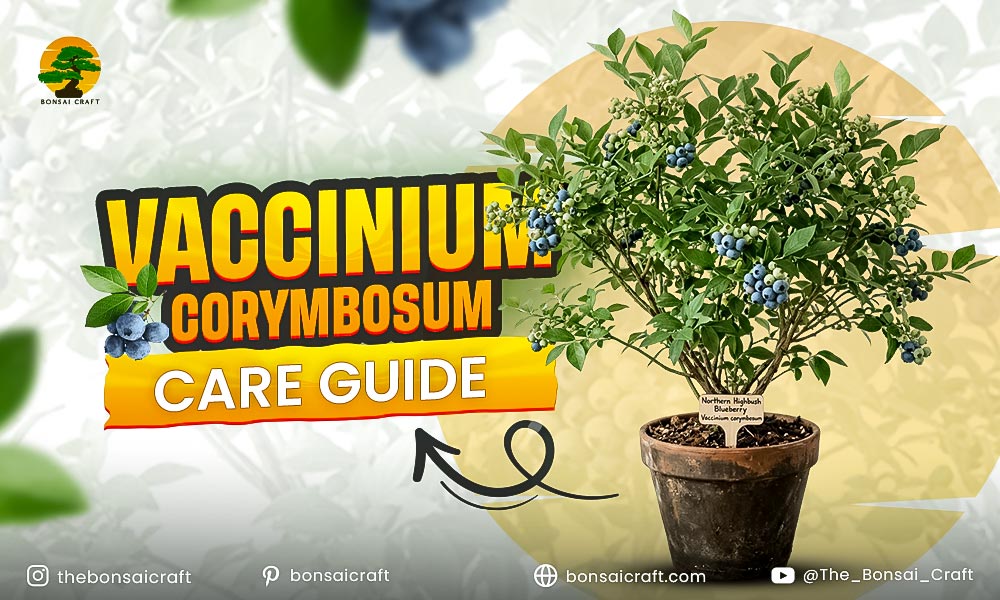
Vaccinium corymbosum, commonly known as the northern highbush blueberry, is a deciduous shrub native to North America that stands as the cornerstone of the home berry garden. As a professional choice for both fruit production and ornamental landscaping, the highbush blueberry (Vaccinium corymbosum) offers a unique combination of spring flowers, summer harvest, and brilliant autumn foliage. Achieving success with this species requires a focus on specific environmental parameters, particularly soil acidity and moisture management.
Growing northern highbush blueberry plants is a long-term investment in your landscape’s biodiversity and your pantry’s health. These plants are prized for their high yield and large, sweet fruits, but they are “specialists” that do not thrive in standard garden soil. By understanding the botanical needs of the Vaccinium corymbosum blueberry, you can transform a backyard corner into a productive, low-maintenance food forest. For more plant care techniques, check our ultimate guide to watering bonsai tree.
What is Vaccinium Corymbosum?
Vaccinium corymbosum is a crown-forming, multi-stemmed woody perennial in the Ericaceae family that serves as the primary ancestor for most commercial blueberry cultivars grown today. Often referred to simply as the northern highbush blueberry plant, this species is native to the eastern United States and Canada, typically reaching heights of 6 to 12 feet. It is distinguished from other species by its upright growth habit and its preference for moist, acidic habitats such as bogs and forest margins.
When asking what is vaccinium corymbosum, it is helpful to look at its structural characteristics: it features elliptical green leaves and clusters of white, bell-shaped vaccinium corymbosum flowers that appear in late spring. These flowers are essential for local pollinators, particularly bumblebees, who use “buzz pollination” to release the pollen. The plant’s root system is shallow and lacks traditional root hairs, making it a “specialist” that requires highly organic, well-draining soil to thrive.
How to Plant Vaccinium Corymbosum
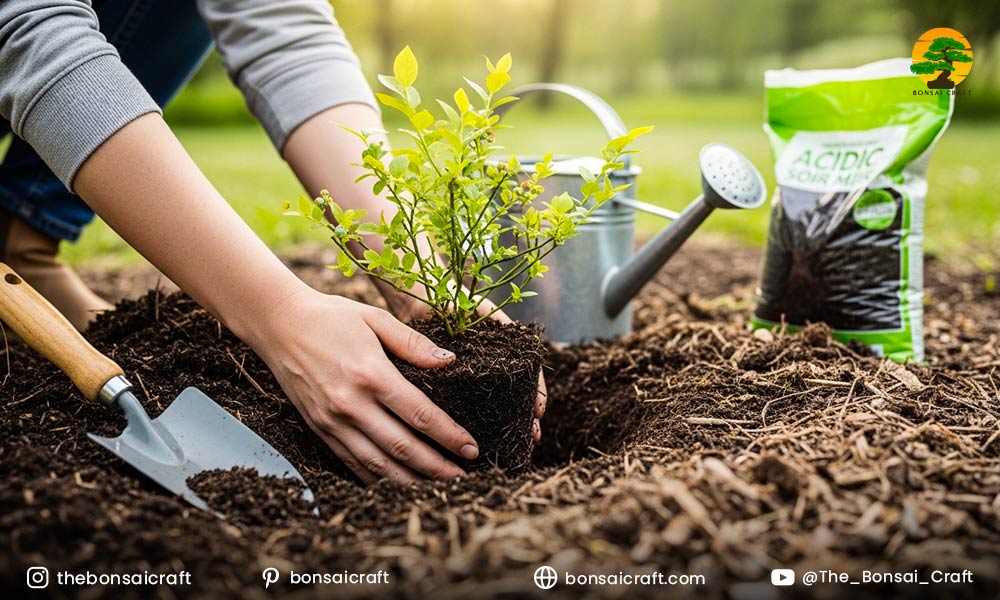
To successfully how to plant vaccinium corymbosum, you must excavate a hole twice the width of the root ball and backfill it with a 50/50 mixture of native soil and sphagnum peat moss to ensure a low pH environment. Proper planting is the foundation of Vaccinium corymbosum care, as the plant’s shallow roots are sensitive to both depth and soil compaction. Ensure the crown of the vaccinium corymbosum plant is level with the soil surface, as planting too deep can lead to stem rot and poor vigor.
The best time to install northern highbush blueberry plants is in late winter or early spring while the shrubs are still dormant. This allows the root system to establish itself before the heat of summer and the energy demands of fruit production begin. If you are planting multiple blueberry northern highbush specimens to create a hedge, space them 3 to 4 feet apart; otherwise, provide 5 to 6 feet of space for individual specimen growth. Immediate mulching with pine bark or needles is vital to protect the delicate surface roots, , similar to techniques discussed in our bonsai soil and care guide.
Ideal Soil and pH for Vaccinium Corymbosum Care
Optimal vaccinium corymbosum care requires maintaining a soil pH between 4.5 and 5.2 to prevent nutrient deficiencies like iron chlorosis. Because the northern highbush blueberry evolved in acidic peat bogs, it cannot effectively absorb nutrients if the soil is neutral or alkaline. If your garden soil is above 5.5, you must incorporate elemental sulfur or aluminum sulfate several months before planting to reach the target acidity.
Maintaining these levels is an ongoing part of how to grow vaccinium corymbosum. Over time, irrigation water can slowly raise the pH, so it is recommended to use acid-loving fertilizers and acidic mulches like pine sawdust or needles. Regular soil testing is the only way to ensure your corymbosum vaccinium has the correct chemical environment to produce large, sweet berries. Without this acidic foundation, the plant will show stunted growth and yellowing leaves.
Watering and Irrigation Requirements
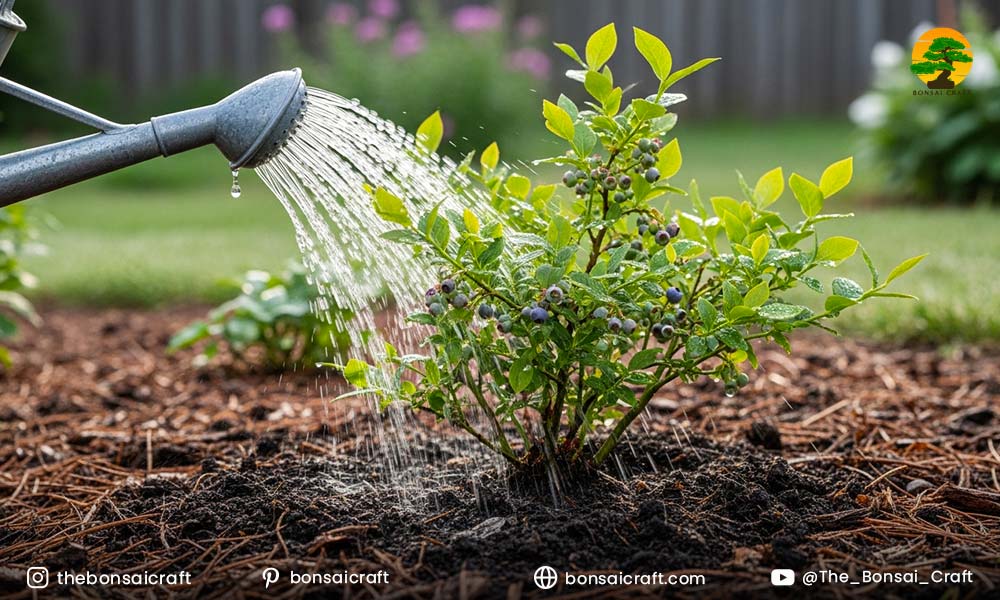
The northern highbush blueberry requires consistently moist soil, typically 1 to 2 inches of water per week, due to its shallow and fibrous root system that cannot access deep groundwater. Because vaccinium corymbosum roots stay in the top 6 to 10 inches of soil, they are highly susceptible to drought stress, especially during the fruit-swelling stage in early summer. Drip irrigation is the preferred method for watering, as it delivers moisture directly to the roots without wetting the foliage.
Consistent hydration is also critical in late summer when the northern highbush blueberry plant is developing its fruit buds for the following year. If the soil is allowed to dry out completely during this period, the next year’s harvest will be significantly reduced. However, the soil must also be well-drained; “wet feet” or standing water can lead to root rot. A thick layer of organic mulch helps regulate this balance by slowing evaporation and keeping the root zone cool. For related watering tips and soil management, see the importance of bonsai tree watering.
Common Vaccinium Corymbosum Varieties
There are dozens of vaccinium corymbosum varieties available to home gardeners, ranging from early-season producers like ‘Duke’ to late-season heavy hitters like ‘Elliot.’ Choosing the right variety often depends on your local “chill hours”—the number of hours below 45°F (7°C) your region receives in winter. For consistent yields, ‘Bluecrop’ is often cited as the industry standard for northern highbush blueberry plants due to its hardiness and large fruit size.
When selecting your vaccinium corymbosum blueberry, consider the ultimate use of the plant. Some varieties are bred for compact growth, making them ideal for containers or small-space “edible landscaping.” Others, like ‘Jersey’ or ‘Spartan,’ are more vigorous and better suited for fruiting hedges. While many cultivars are partially self-fertile, planting at least two different vaccinium corymbosum varieties that bloom at the same time will lead to better pollination and larger berries.
Pruning for Health and Yield
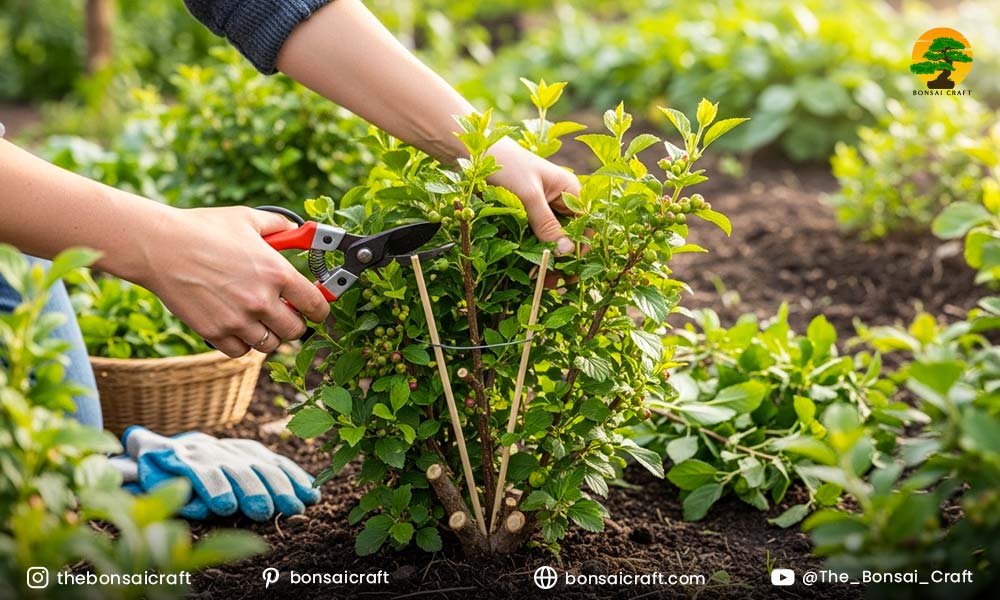
Pruning vaccinium corymbosum involves removing the oldest, graying canes at the base every winter to encourage the growth of vigorous, productive new wood. A well-maintained highbush blueberry (vaccinium corymbosum) should have a mix of branches that are 1 to 5 years old. For the first two years after planting, you should actually remove all vaccinium corymbosum flowers to ensure the plant’s energy goes into root development rather than fruit production.
Once the plant is established, the goal of pruning is to open up the center of the bush to allow sunlight and air to reach the ripening fruit. Remove any branches that are crossing, damaged, or growing too close to the ground. This “renewal pruning” not only increases the size of the berries but also reduces the risk of fungal diseases. If you are growing northern highbush blueberry for bonsai or as an ornamental, you can prune more for shape, but the fruit-producing health of the plant should always remain a priority.
Vaccinium Corymbosum Propagation
The most common method for vaccinium corymbosum propagation is taking softwood cuttings in late spring or hardwood cuttings during the dormant winter season. Softwood cuttings are generally more successful for home gardeners; they involve taking a 4-inch snip of the current season’s growth, dipping it in rooting hormone, and placing it in a misted environment. This ensures that the new vaccinium corymbosum plant is an exact genetic clone of the parent.
Propagation by seed is possible but not recommended for those wanting specific fruit characteristics, as the offspring will not be “true to type.” Hardwood propagation is often used by commercial nurseries to produce large numbers of northern highbush blueberry plants cheaply. By selecting healthy, disease-free parent plants for your cuttings, you can easily expand your berry patch or share your favorite vaccinium corymbosum blueberry varieties with others.
Vaccinium Corymbosum Benefits
The primary vaccinium corymbosum benefits include its exceptionally high antioxidant content and its multi-seasonal ornamental value in the landscape. Rich in anthocyanins, vitamin C, and manganese, the fruit of the northern highbush blueberry is a powerhouse of nutrition linked to heart and brain health. Beyond the kitchen, the plant serves as a vital habitat and food source for native bees and birds, making it an ecological asset.
In the garden, the vaccinium corymbosum plant provides a stunning visual display with its delicate white spring flowers and fiery red or orange autumn leaves. This “edible landscaping” approach allows you to replace non-productive ornamental shrubs with something that is both beautiful and functional. Whether used as a privacy screen or a focal point, the northern highbush blueberry offers value that lasts throughout the entire year.
FAQs: Vaccinium Corymbosum Care
How much sun does a northern highbush blueberry need?
Vaccinium corymbosum requires at least 6 to 8 hours of full sun daily to produce the highest quality fruit and maintain a strong growth habit. While it can grow in partial shade, the fruit yield will be significantly lower, and the plant may become leggy and prone to disease.
Can I grow vaccinium corymbosum in a pot?
Yes, you can grow vaccinium corymbosum in containers provided the pot is at least 15–20 gallons and you use an acidic potting mix based on peat and perlite. Growing in pots is an excellent solution for gardeners with alkaline soil, as it allows for much easier control over the soil pH.
Why are the leaves on my highbush blueberry (vaccinium corymbosum) turning yellow?
Yellow leaves with green veins usually indicate iron chlorosis, a sign that your soil pH is too high for the plant to absorb iron. You should test your soil pH immediately and apply elemental sulfur or an acidified fertilizer to bring the pH back into the 4.5–5.2 range.
How do I protect my northern highbush blueberry plants from birds?
The most effective way to protect your harvest is by using lightweight bird netting draped over a simple frame once the berries start to turn blue. Without protection, birds can easily harvest an entire vaccinium corymbosum crop in a single morning.
When is the best time to harvest the berries?
Blueberries should be harvested about a week after they turn completely blue; a reddish ring at the stem end indicates the fruit is not yet fully ripe. Ripe vaccinium corymbosum berries will pull away from the stem with very little resistance and will have the sweetest flavor.