
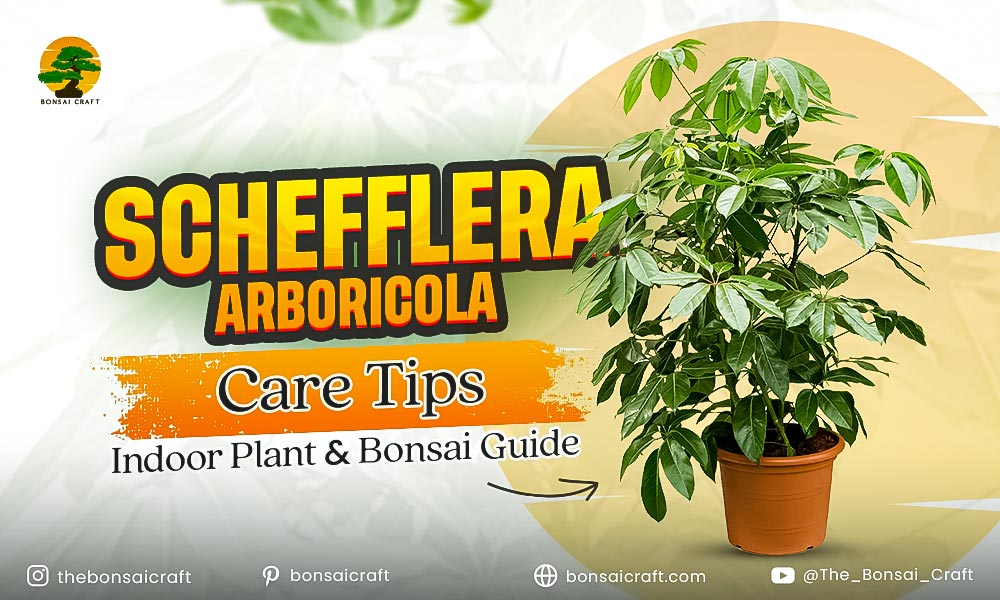
Schefflera arboricola, widely known as the dwarf umbrella tree, is one of the most adaptable and beginner-friendly indoor plants. Its glossy, umbrella-shaped leaves and upright growth habit make it suitable for homes, offices, and even bonsai cultivation. While the plant is often labeled “low maintenance,” proper schefflera arboricola care is essential for healthy growth, dense foliage, and long-term survival.
This in-depth guide explains how to take care of a Schefflera arboricola in real indoor conditions, covering light, watering, pruning, propagation, bonsai techniques, and pet safety, based on practical growing experience and horticultural best practices.
What Is Schefflera Arboricola?
Overview of the Schefflera Arboricola Plant
The schefflera arboricola plant is a tropical evergreen native to Taiwan and parts of southern China. It belongs to the Araliaceae family and is closely related to larger umbrella trees used in outdoor landscaping. The leaves grow in clusters that resemble an umbrella, usually consisting of five to nine leaflets per stem.
Arboricola schefflera is valued for its ability to adapt to indoor environments, tolerate pruning, and recover quickly from stress. This makes it ideal for both casual houseplant owners and experienced bonsai growers.
Schefflera Arboricola Tree vs Indoor Plant
When grown without pruning, a schefflera arboricola tree can reach 6–10 feet indoors. However, most people grow it as a compact Schefflera arboricola indoor plant, keeping it bushy and manageable through regular pruning. Its flexible growth habit allows it to function as a tabletop plant, floor plant, or trained indoor tree.
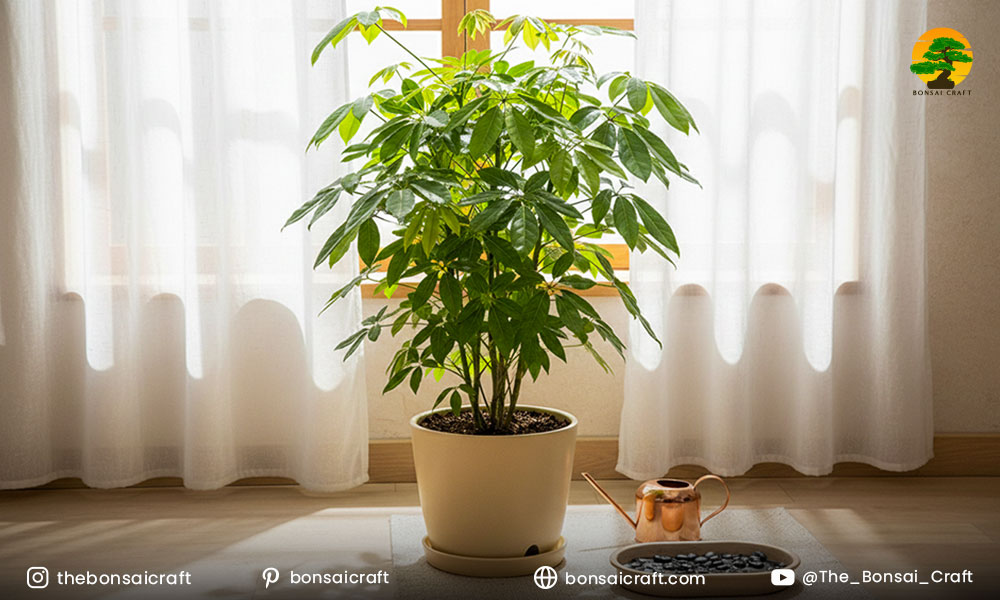
Learn how to take care of a Schefflera arboricola with simple, everyday plant care advice
How to Take Care of a Schefflera Arboricola
Successful schefflera arboricola care depends on recreating stable indoor conditions that support steady growth. Factors such as light exposure, soil quality, temperature, humidity, and watering routines all work together to influence plant health. Understanding these basics helps prevent common indoor growing problems and sets the foundation for long-term success.
Light Requirements for Schefflera Arboricola Indoor Growth
Light is one of the most important factors in successful schefflera arboricola indoor care. The plant thrives in bright, indirect light, which supports compact growth and vibrant leaf color.
Low-light conditions are tolerated, but prolonged exposure can cause leggy stems, slow growth, and leaf drop. Direct sunlight, especially harsh afternoon sun, may scorch the leaves. East- or north-facing windows are ideal, while south-facing windows should be filtered with sheer curtains.
Soil and Potting Needs for Schefflera Arboricola Care
Proper soil structure plays a crucial role in long-term schefflera arboricola care. The plant prefers well-draining soil that retains some moisture without becoming waterlogged. A high-quality indoor potting mix combined with perlite or coarse sand works well.
Always choose pots with drainage holes. Poor drainage is one of the leading causes of root rot and decline in schefflera arboricola indoor plants.
Temperature and Humidity Preferences
Schefflera arboricola grows best in temperatures between 65–80°F (18–27°C). Sudden temperature drops, cold drafts, or prolonged exposure below 55°F (13°C) can cause leaf loss.
Average household humidity is usually sufficient. However, in very dry environments, occasional misting or a nearby humidity tray helps maintain healthy foliage.

Find out how often to water Schefflera arboricola to keep roots healthy and avoid overwatering
How Often to Water Schefflera Arboricola
Watering mistakes are the most common reason schefflera arboricola struggles indoors. Understanding how often to water schefflera arboricola is essential for preventing root problems.
Water thoroughly only after the top inch of soil feels dry. This usually translates to watering every 7–10 days during active growth.
Signs of Overwatering and Underwatering
Overwatered plants often develop yellow leaves, mushy stems, and root rot. Underwatered schefflera arboricola plants show drooping leaves, dry edges, and slow recovery after watering.
Consistency is more important than frequency. Always adjust watering based on season, pot size, and light exposure.
Seasonal Watering Schedule for Indoor Schefflera Arboricola
During spring and summer, watering needs increase as growth accelerates. In fall and winter, reduce watering to prevent soggy soil when growth slows. Indoor heating can dry soil faster, so monitoring moisture is critical.
Schefflera Arboricola: How to Prune Properly
Pruning is a key maintenance practice that helps control size, improve structure, and encourage fuller growth in schefflera arboricola. Without regular pruning, indoor plants can become leggy or uneven. Learning the correct pruning approach ensures healthy regrowth and prepares the plant for shaping or bonsai training.
How to Prune Schefflera Arboricola for Shape and Health
Knowing how to prune correctly helps maintain shape and encourages fuller growth. Pruning stimulates branching when cuts are made just above leaf nodes.
To prune Schefflera arboricola, remove leggy stems, damaged branches, or overcrowded growth. Regular pruning keeps the plant compact and prevents weak, top-heavy growth.
Best Time and Tools for Pruning Schefflera Arboricola
The best time to prune is spring or early summer when the plant is actively growing. Always use sharp, sterilized pruning tools to avoid introducing disease.
Schefflera Arboricola Propagation Methods
Propagation allows growers to multiply healthy plants or rejuvenate aging specimens without purchasing new ones. While schefflera arboricola propagation is generally easy, success depends on proper technique, stable conditions, and patience. The following section focuses on the most reliable indoor propagation method.
How to Propagate Schefflera Arboricola from Cuttings
Schefflera arboricola propagation is straightforward and beginner-friendly. To learn how to propagate schefflera arboricola, take a healthy stem cutting with at least one leaf node. Remove lower leaves and place the cutting in water or moist soil.
Roots usually form within two to four weeks under warm conditions and indirect light.
Common Propagation Mistakes to Avoid
Overwatering, low temperatures, and insufficient light are common reasons propagation fails. Patience and stable conditions greatly improve success rates.

A practical Schefflera arboricola bonsai care guide for shaping and maintaining a healthy miniature tree
Schefflera Arboricola Bonsai Care Guide
Schefflera arboricola is well suited for bonsai due to its flexible branches and tolerance for pruning. However, bonsai cultivation requires more precise care than standard houseplants. Proper training, watering, and light management are essential for maintaining balance and proportion.
Training and Pruning a Schefflera Arboricola Bonsai
Schefflera arboricola bonsai is popular due to the plant’s flexible branches and tolerance of pruning. Regular trimming helps maintain proportion, while wiring can guide branch placement during early growth stages.
Leaf size can be reduced over time through controlled pruning and proper light exposure.
Watering and Light Needs for Bonsai Schefflera Arboricola
Bonsai specimens dry out faster than standard houseplants. Frequent monitoring is essential, but overwatering must still be avoided. Bright, indirect light keeps bonsai growth compact and healthy.
Is Schefflera Arboricola Toxic to Cats?
Understanding plant toxicity is essential for households with pets. Although schefflera arboricola is popular as an indoor plant, it can pose health risks to cats if ingested. Knowing the symptoms and safety precautions helps pet owners make informed placement decisions.
Safety Concerns for Pets in Indoor Spaces
Yes, Schefflera arboricola is toxic to cats due to insoluble calcium oxalate crystals. These compounds cause irritation when chewed or swallowed.
What to Do If a Cat Ingests Schefflera Arboricola
Symptoms include drooling, mouth irritation, vomiting, and difficulty swallowing. If ingestion is suspected, remove plant material from the mouth and consult a veterinarian immediately. In pet-friendly homes, place the plant out of reach or choose safer alternatives.

Identify common problems with Schefflera arboricola indoors and learn how to fix them early
Common Problems When Growing Schefflera Arboricola Indoors
Even resilient plants like schefflera arboricola can develop problems when indoor conditions are unbalanced. Most issues are linked to watering errors, lighting problems, or pest infestations. Early diagnosis helps prevent long-term damage.
Yellow Leaves, Leaf Drop, and Slow Growth Issues
Yellowing leaves often indicate overwatering or poor drainage. Leaf drop may result from sudden environmental changes such as temperature shifts or relocation.
Slow growth usually signals low light or nutrient deficiency.
Pests and Diseases Affecting Schefflera Arboricola Plant
Common pests include spider mites, scale, and mealybugs. Regular inspection and gentle cleaning help prevent infestations. Neem oil or insecticidal soap is effective when issues arise.
Conclusion: Long-Term Care Tips for Schefflera Arboricola
Schefflera arboricola is a resilient, visually striking plant that thrives indoors with consistent care. By mastering proper watering, light exposure, pruning techniques, and propagation methods, you can enjoy a healthy Schefflera arboricola plant for many years, whether grown as an indoor tree, houseplant, or bonsai.
FAQs
How often to water Schefflera arboricola?
Water when the top 1–2 inches of soil are dry. During spring and summer, this is usually every 7–10 days, and every 10–14 days in fall and winter. Ensure proper drainage to prevent root rot.
How to propagate Schefflera arboricola?
Use healthy stem cuttings with at least one leaf node. Place in moist soil or water under bright, indirect light. Roots typically form in 2–4 weeks.
Is Schefflera arboricola toxic to cats?
Yes, it is toxic to cats. The plant contains calcium oxalate crystals that can cause drooling, vomiting, and mouth irritation. Keep out of pets’ reach.
How to prune Schefflera arboricola?
Trim leggy or damaged stems above leaf nodes in spring or early summer. For bonsai, regular shaping keeps the plant compact and encourages new shoots.
Can Schefflera arboricola grow as a tree indoors?
Yes, it can grow several feet tall indoors. Proper light, watering, pruning, and seasonal care help it develop a full, healthy canopy