
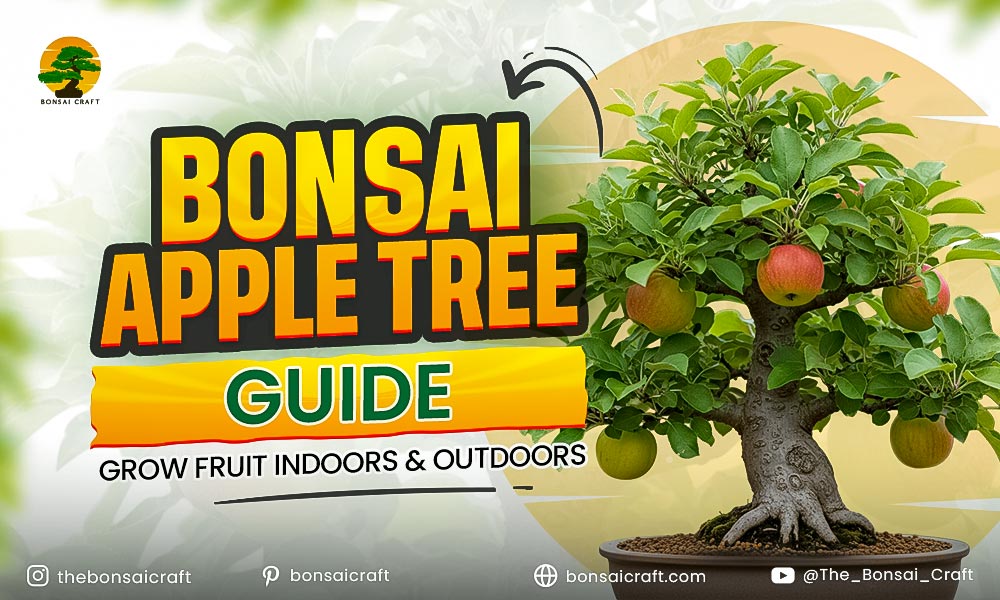
A bonsai apple tree is a miniature version of a traditional apple tree that can thrive both indoors and outdoors. This tiny tree allows hobbyists to enjoy apple blossoms, fruit, and the calming experience of bonsai cultivation in a compact form. Unlike standard apple trees, a bonsai apple tree requires careful attention to pruning, watering, fertilizing, and shaping, making it both a decorative and rewarding project. Cultivating a bonsai apple tree with fruit adds an extra layer of satisfaction, allowing you to see the results of your care through miniature apples.
Selecting the right dwarf or semi-dwarf variety is crucial, as these types are easier to maintain in a container. With consistent care and proper techniques, anyone can enjoy the beauty, fragrance, and small harvest of an apple bonsai tree, combining horticulture and art in one living masterpiece.
What is an Apple Bonsai Tree? Introduction and Benefits
An apple bonsai tree is a miniature apple tree specifically cultivated in a container to produce both beautiful blossoms and small fruits, mimicking a full-sized apple tree in a scaled-down form. These trees are prized not only for their visual appeal but also for their educational and therapeutic value. Apple bonsai trees allow growers to practice essential horticultural skills such as pruning, wiring, fertilizing, and monitoring environmental conditions while observing the plant’s seasonal cycles in detail. or learning about shaping techniques, see our bonsai wiring guide.
In addition, these trees promote mindfulness, patience, and careful observation, as their miniature structure requires delicate handling and precise maintenance. Beyond their artistic value, apple bonsai trees provide the pleasure of tasting small fruits and enjoying fragrant spring blossoms. Indoor gardeners offer a unique way to cultivate a fruit-bearing tree without the need for a large garden, making them ideal for apartments, balconies, and small yards.
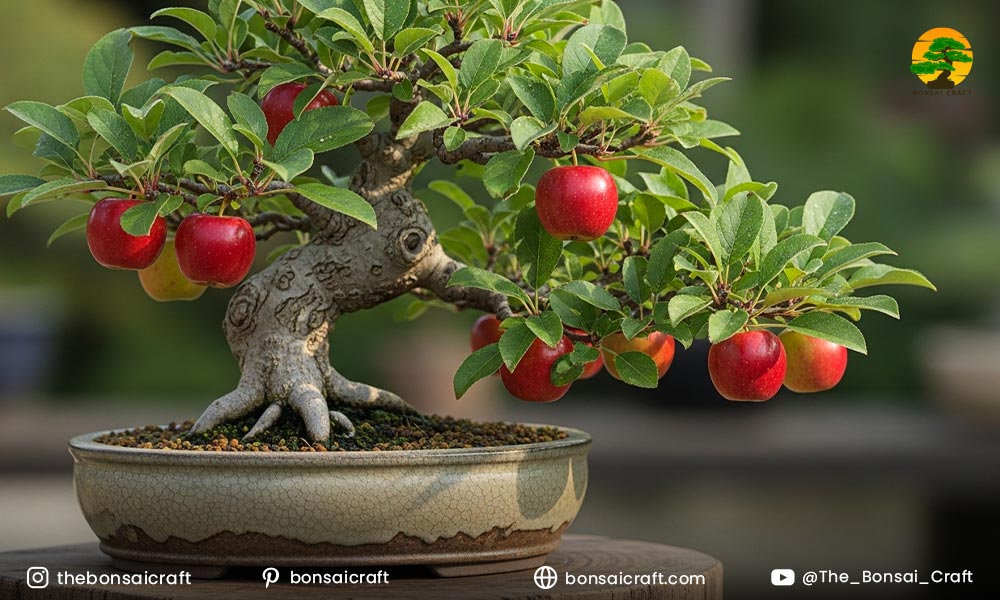
Ideal Growing Conditions for Bonsai Apple Trees: Sunlight, Temperature, and Soil Are Critical
An apple tree bonsai thrives when sunlight, temperature, humidity, and soil are carefully balanced. Bonsai apple trees need 6–8 hours of direct or bright indirect sunlight daily for flowering, fruiting, and healthy growth. Indoor trees benefit from south-facing windows or supplemental grow lights. Temperature should remain moderate, ideally 60–75°F (15–24°C), avoiding extreme heat or cold. Humidity is important, especially indoors, and can be increased with trays of water or a humidifier.
Proper soil is vital: a well-draining mix of akadama, pumice, and lava rock ensures root health and prevents rot. Maintaining these conditions supports a flourishing apple bonsai tree and encourages the development of a bonsai apple tree with fruit, keeping it healthy year-round. For more on soil selection, check our bonsai plant soil guide.
How to Make a Bonsai Apple Tree: Step-by-Step Planting Guide
You can make a bonsai apple tree by carefully planting it in a shallow pot with good drainage. Begin with a pot that has drainage holes and a layer of gravel or small stones to prevent waterlogging. Position the tree so roots spread evenly and fill the remaining space with a well-draining bonsai soil mix. Avoid packing the soil too tightly, which can restrict root growth. Water thoroughly, allowing excess water to drain. This process ensures healthy root establishment, a balanced canopy, and better flowering and fruiting potential.
Following this method allows beginners to grow an apple bonsai tree successfully, creating a miniature apple orchard that can be displayed indoors or outdoors with aesthetic and edible benefits. Before planting, check out essential tools for beginners in Bonsai Tools for Beginners to Advance.
Watering and Fertilizing Your Bonsai Apple Tree: Keep Soil Moist and Nutrients Balanced
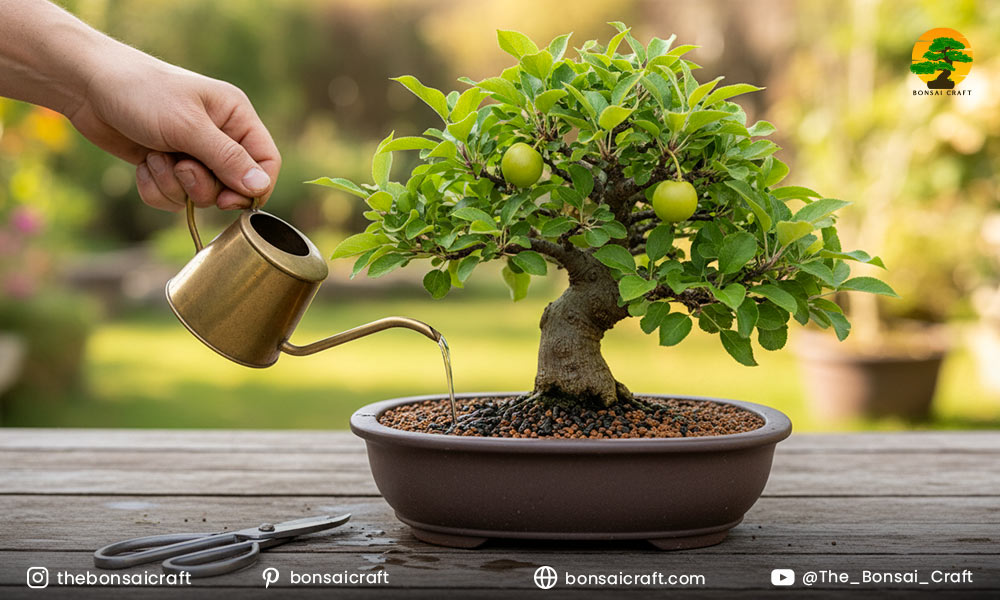
Consistent water and fertilization are essential for the health of an apple bonsai tree. Water the bonsai when the top inch of soil is dry, ensuring moisture reaches the roots without creating standing water. During spring and summer, watering frequency is higher due to evaporation and active growth, while winter dormancy requires less. Fertilize every 2–4 weeks during the growing season with a balanced NPK 10-10-10 water-soluble fertilizer or organic alternatives like fish emulsion or compost.
Avoid over-fertilizing, which can result in excessive leafy growth and reduce fruit production. Proper care ensures a healthy apple bonsai tree that produces vibrant leaves, blossoms, and miniature apples, making it a fulfilling and decorative indoor or outdoor plant.
Learn the best watering and fertilizing practices to keep your bonsai apple tree thriving at Bonsai Fertilizer.
Pruning and Shaping Apple Bonsai Trees: Regular Trimming Encourages Fruit and Form
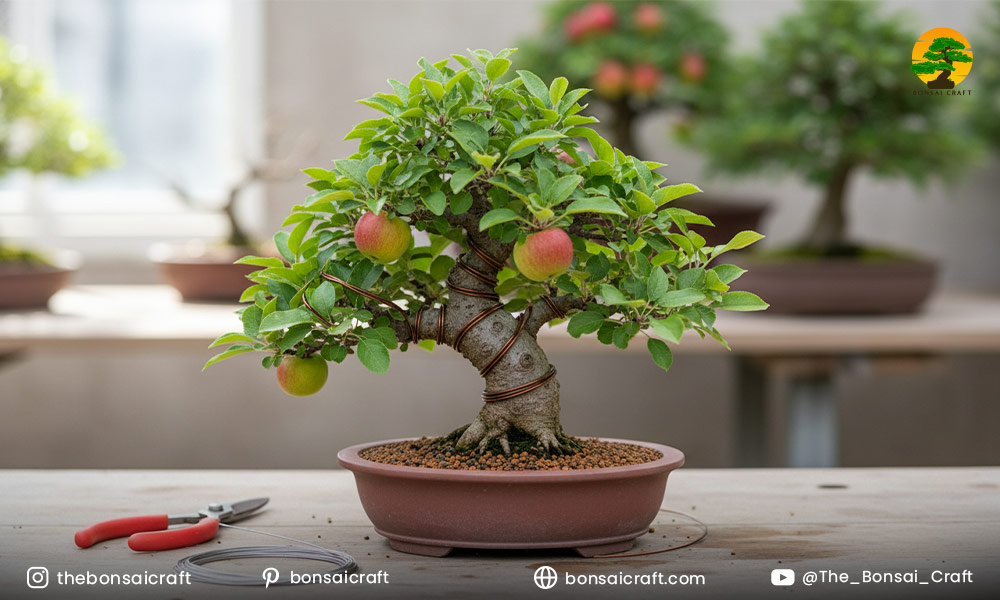
Pruning and shaping are key to maintaining a compact and healthy bonsai apple tree. Remove dead, damaged, or diseased branches first to stimulate new growth. Pinch back new shoots during active growth to encourage a fuller canopy and prevent legginess. Use bonsai wire to guide branches gently into desired forms, supporting styles such as informal upright, cascading, or multi-trunk designs. Remove wire after 6–8 weeks to prevent scarring.
Proper pruning enhances flowering and fruiting, ensures branch balance, and maintains a neat apple tree bonsai. Regular shaping helps produce a bonsai apple tree with fruit that is visually appealing and healthy, allowing your miniature tree to resemble a natural apple tree in miniature form.
Common Problems and Solutions for Bonsai Apple Trees: Prevent Pests, Rot, and Poor Fruit
The main issues with apple bonsai trees include root rot, insufficient fruiting, and pest infestations. Root rot occurs from overwatering or poorly draining soil, which deprives roots of oxygen. Prevent it by using a well-draining bonsai soil mix and watering only when the top layer is dry. Poor fruit production may result from inadequate sunlight or insufficient pollination; hand-pollination of flowers can resolve this indoors. Common pests include aphids, spider mites, and scale insects, which can be treated with organic neem oil or insecticidal soap.
Fungal diseases like apple scab or powdery mildew can be mitigated through pruning, leaf removal, and proper air circulation. Following these preventive measures ensures a healthy bonsai apple tree with fruit and a long-lasting, decorative miniature apple tree.
Can You Make a Bonsai Apple Tree from Seed?
You can make a bonsai apple tree from seed, but it requires patience and proper preparation. Begin with fresh apple seeds and cold-stratify them for 60–90 days to mimic winter dormancy, which promotes germination. Plant the seeds in well-draining bonsai soil and provide consistent moisture and indirect sunlight. Maintain temperatures around 60–75°F (15–24°C) to support seedling growth. After one year, start pruning and shaping the seedling to control size and branch placement.
Seed-grown bonsais may take 3–5 years to flower and produce fruit, but they offer complete control over aesthetics and growth. Growing a bonsai apple tree from seed is a highly rewarding experience, blending horticultural skill with artistic expression.
How to Grow an Apple Bonsai Tree Indoors: Provide Light, Humidity, and Pollination
You can grow an apple bonsai tree indoors successfully if it receives sufficient light, proper humidity, and pollination. Place the tree near south-facing windows or use grow lights to provide 6–8 hours of bright light daily. Keep temperatures moderate (60–75°F / 15–24°C) and maintain humidity using trays or a humidifier. Fertilize regularly during the growing season with a balanced NPK formula to encourage flowering and fruiting. Hand-pollinate flowers if natural pollinators are absent.
With consistent care, your indoor apple bonsai tree will remain healthy, produce miniature apples, and thrive as a decorative feature. By following these steps, you can create a bonsai apple tree with fruit even in an indoor setting.
Frequently Asked Questions About Apple Bonsai Trees
Can you grow a bonsai apple tree indoors?
Yes, a bonsai apple tree can thrive indoors if it receives enough bright light, regular watering, and proper care. Place it near a south-facing window or use a grow light, maintain moderate humidity, and ensure hand-pollination during flowering for fruit production.
How do you make a bonsai apple tree from seed?
You can make a bonsai apple tree from seed by cold-stratifying fresh seeds for 60–90 days, planting them in well-draining bonsai soil, and providing indirect sunlight. Begin shaping and pruning the seedling after one year to control branch placement and develop a miniature apple tree structure.
How often should an apple bonsai tree be watered and fertilized?
Water your apple bonsai tree when the top inch of soil feels dry, avoiding waterlogging. Fertilize every 2–4 weeks during active growth in spring and summer using a balanced NPK fertilizer, and reduce fertilization in winter when the tree is dormant.
How can pests and diseases be prevented in apple bonsai trees?
Prevent pests and diseases by regularly inspecting your bonsai, pruning dead or damaged leaves, ensuring good air circulation, and treating infestations early with organic neem oil or insecticidal soap. Proper watering and hygiene reduce the risk of fungal infections like powdery mildew or apple scab.
Can a bonsai apple tree produce fruit indoors?
Yes, indoor apple bonsai trees can produce fruit if they receive 6–8 hours of bright light daily and hand-pollination is performed. Maintaining proper watering, fertilization, and temperature ensures the tree develops healthy blossoms that can turn into small, edible apples.
Final Tips for Bonsai Apple Tree Success: Consistency and Care Ensure Growth
Caring for a bonsai apple tree requires consistent attention, proper pruning, and careful monitoring of light, water, and nutrients. Select a dwarf or semi-dwarf variety suited to your environment and provide well-draining soil with balanced fertilization. Prune and wire branches to shape the tree, encourage flowering, and maintain fruit production. Indoor growers should hand-pollinate to ensure fruiting. Regular inspection prevents pests and diseases, while maintaining moderate temperature and humidity promotes healthy growth.
Following these expert practices allows your apple tree bonsai to thrive, producing both beautiful foliage and miniature apples. For additional in-depth guidance on bonsai care, styling, and soil, check out the Bonsai Empire Guide for expert tips and techniques.