
Pinus strobus, commonly known as Eastern White Pine, is a fast-growing, long-lived conifer valued for its soft needles, elegant form, and adaptability across landscapes and bonsai cultivation.
Native to eastern North America, pinus strobus has played a major ecological and historical role, from forest ecosystems to early construction timber. Today, it is widely used in ornamental landscaping, windbreaks, and increasingly in bonsai practice due to its fine needle texture and graceful branching.
From an EEAT perspective, understanding pinus strobus requires both botanical accuracy and applied growing knowledge. This guide synthesizes verified data from forestry institutions, botanical gardens, and university extensions, ensuring that every recommendation aligns with real-world horticultural practices.
What Is Pinus Strobus?
Pinus strobus is a species of five-needle pine native to eastern North America, known for its soft blue-green foliage and tall, straight growth habit. Eastern white pine (pinus strobus) belongs to the Pinaceae family and is one of the tallest native conifers in its range. According to the USDA Forest Service, it can reach heights of 50–80 feet in cultivation and over 150 feet in natural forest conditions. Its needles grow in bundles of five, which is a key identification trait distinguishing it from other pine species.
The bark is smooth and gray in young trees, becoming deeply furrowed with age. The cones are long, slender, and slightly curved, typically measuring 8–20 cm. These characteristics make the pinus strobus tree both visually distinctive and highly valued in landscaping.
How Does Eastern White Pine Grow in Natural Conditions?
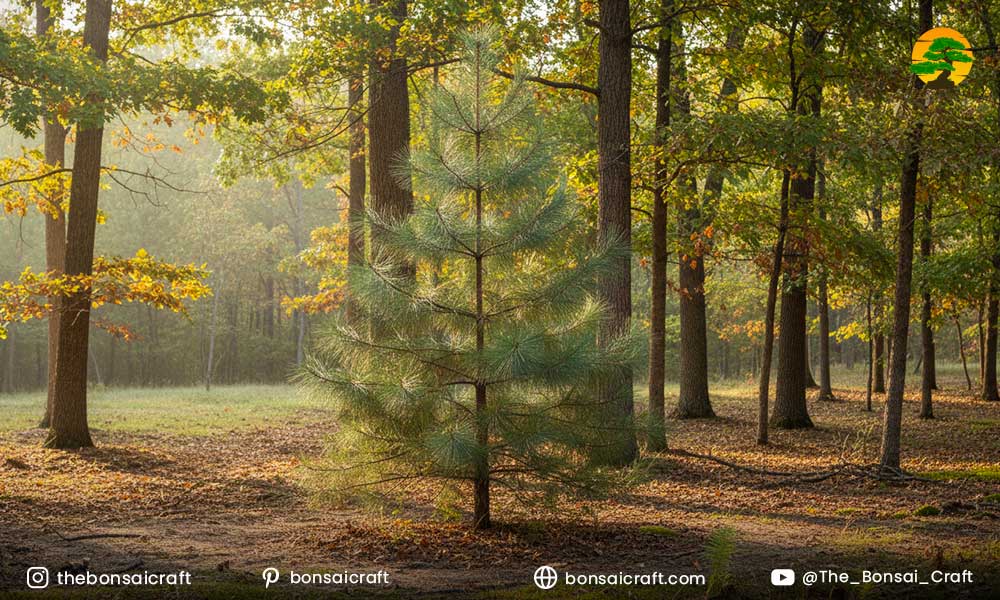
Eastern white pine grows best in cool, humid climates with well-drained soils and full sun exposure. In its native habitat, eastern white pine (pinus strobus) thrives in regions with moderate rainfall and cold winters. The University of Connecticut Plant Database confirms that it prefers slightly acidic, sandy, or loamy soils with good drainage.
Growth is rapid during the early years, often exceeding 60 cm per year under optimal conditions. However, it is sensitive to environmental stressors such as air pollution and salt, which can affect needle health and overall vigor.
The species is moderately shade-tolerant when young but requires full sun to reach its full growth potential. This dual adaptability makes it suitable for both forest regeneration and managed landscapes.
What Are the Ideal Growing Conditions for Pinus Strobus?
Pinus strobus requires full sun, well-drained acidic soil, and moderate watering to grow successfully. To cultivate a healthy pinus strobus tree, you need to replicate its natural habitat as closely as possible. The Missouri Botanical Garden states that this species performs best in USDA hardiness zones 3–8.
Soil pH should ideally range between 5.5 and 6.5. Poor drainage is one of the most common causes of decline, as waterlogged roots can lead to fungal infections. While the tree is drought-tolerant once established, consistent moisture is essential during its early development.
Temperature tolerance is high, but extreme heat combined with humidity can stress the tree, especially in urban environments.
How to Plant Pinus Strobus Properly?
Plant Pinus strobus in early spring or fall in a sunny location with well-drained soil. Proper planting sets the foundation for long-term success. According to Penn State Extension, the planting hole should be twice as wide as the root ball but no deeper than its height. This prevents root suffocation and encourages lateral growth.
After planting, the soil should be gently firmed and watered thoroughly to eliminate air pockets. Mulching around the base helps retain moisture and regulate soil temperature, but it should not touch the trunk to avoid rot.
Spacing is also critical. Mature trees require significant room, so avoid planting too close to structures or other trees.
How Often Should You Water Eastern White Pine?
Eastern white pine requires regular watering during establishment and minimal watering once mature.
Young Pinus strobus trees need consistent moisture, especially during the first 2–3 years. The USDA NRCS Plant Guide recommends deep watering once or twice a week depending on rainfall.
Once established, the tree becomes relatively drought-tolerant. However, prolonged dry periods can still stress the plant, leading to needle drop or reduced growth.
Overwatering is more harmful than underwatering, as it increases the risk of root rot and fungal diseases.
What Fertilizer Does Pinus Strobus Need?
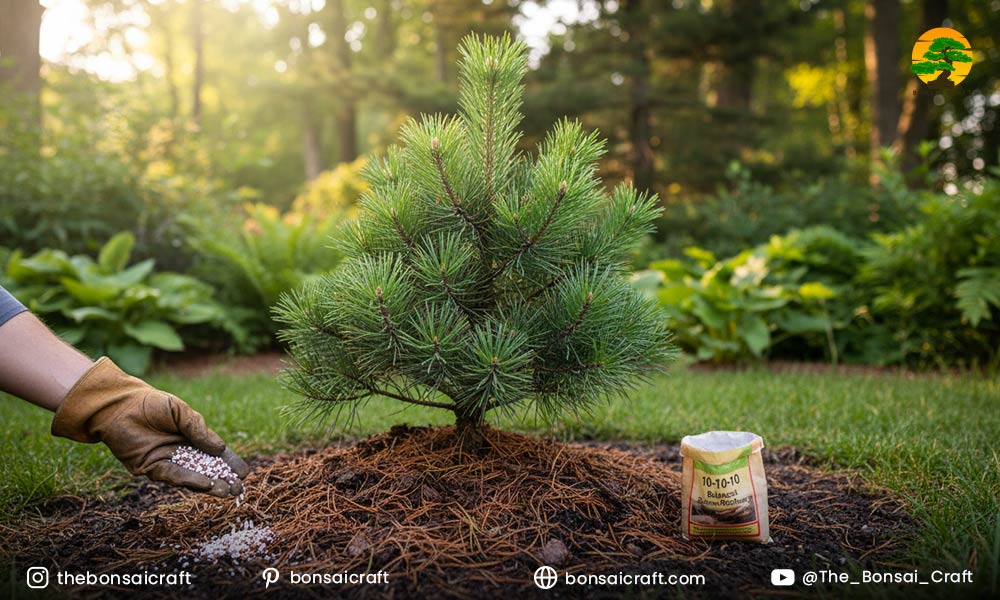
Pinus strobus benefits from slow-release, balanced fertilizers applied in early spring. Fertilization is not always necessary if the soil is naturally fertile. However, in nutrient-poor soils, applying a balanced fertilizer such as 10-10-10 can support growth. The University of Minnesota Extension suggests using fertilizers formulated for acid-loving plants.
Organic options like compost or well-rotted manure can also improve soil structure and nutrient availability. Over-fertilization should be avoided, as it can lead to excessive, weak growth.
How to Prune Pinus Strobus Correctly?
Prune Pinus strobus lightly in late winter or early spring to maintain shape and remove dead branches.
Unlike many ornamental trees, Pinus strobus does not require heavy pruning. According to the Royal Horticultural Society, pruning should focus on removing damaged, diseased, or crossing branches.
For shaping, especially in bonsai or ornamental use, candle pinching (removing new growth tips) can control size and encourage denser foliage. However, excessive pruning can stress the tree and reduce its natural elegance.
Can Pinus Strobus Be Grown as Bonsai?
Yes, Pinus strobus bonsai is possible but requires advanced techniques due to its growth characteristics.
Pinus strobus bonsai is appreciated for its soft needles and natural form, but it presents challenges. The needles are longer than typical bonsai species, which requires careful management through pruning and controlled feeding.
According to bonsai cultivation practices documented by experienced growers and botanical institutions, techniques such as needle reduction, candle pruning, and wiring are essential. The tree responds slowly, so patience is critical.
Well-draining bonsai soil and controlled watering are crucial to prevent root issues. While not ideal for beginners, it is a rewarding species for intermediate to advanced practitioners.
What Are Common Problems and Diseases of Pinus Strobus?
Pinus strobus is susceptible to white pine blister rust, needle blight, and pest infestations.
One of the most serious threats is white pine blister rust, caused by the fungus Cronartium ribicola. The USDA Forest Service identifies this as a major disease affecting eastern white pine populations.
Other issues include needle cast diseases and pests such as aphids and sawflies. Environmental stress, especially poor soil drainage and pollution, can exacerbate these problems.
Regular inspection and proper cultural practices are the best defense. Removing infected branches and maintaining tree health significantly reduces risk.
How Fast Does Pinus Strobus Grow?
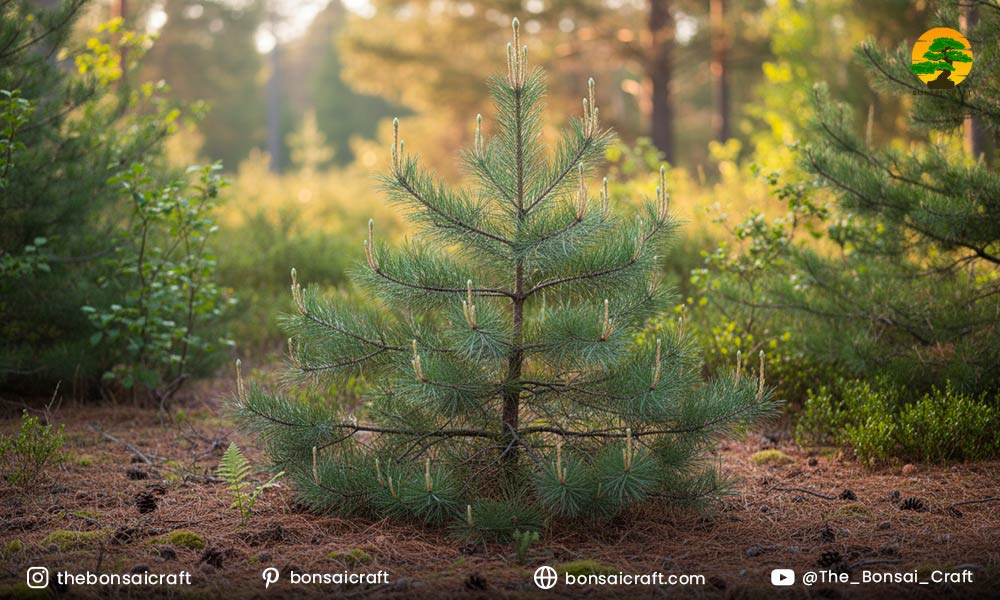
Pinus strobus is a fast-growing tree, often adding 1–2 feet per year under optimal conditions. Growth rate depends on soil quality, climate, and care. The Arbor Day Foundation classifies eastern white pine as a rapid grower, making it popular for reforestation and landscaping projects.
In bonsai form, growth is intentionally restricted through pruning and root management, which significantly slows development.
How Long Does Eastern White Pine Live?
Eastern white pine can live for several hundred years under ideal conditions. In natural forests, pinus strobus has been documented to live over 200 years, with some specimens exceeding 400 years. Longevity depends on environmental stability and resistance to disease.
In cultivated landscapes, lifespan may be shorter due to urban stress factors, but proper care can still ensure decades of healthy growth.
FAQs About Pinus Strobus
What is pinus strobus used for?
Pinus strobus is used for timber, landscaping, and ornamental planting. It has historically been valued for lightweight, straight-grained wood used in construction and furniture. Today, it is also widely planted for windbreaks, privacy screens, and aesthetic landscaping due to its soft foliage and elegant structure.
Is eastern white pine easy to grow?
Yes, eastern white pine is relatively easy to grow in suitable conditions. It adapts well to different soils as long as drainage is good. However, it requires full sun and protection from pollution and salt. Beginners can grow it successfully if basic care guidelines are followed.
Can pinus strobus grow in pots?
Yes, pinus strobus can grow in pots, especially for bonsai purposes. Container growth requires well-draining soil and careful watering. Root pruning and size control are necessary to maintain health. It is more demanding than ground planting but achievable with proper technique.
Why are my pinus strobus needles turning brown?
Needle browning is often caused by stress, disease, or poor watering practices. Common reasons include drought stress, overwatering, or fungal infections. Environmental factors like pollution or salt exposure can also contribute. Identifying the exact cause is essential for effective treatment.
How do you identify pinus strobus?
Pinus strobus is identified by its soft needles in bundles of five and long slender cones. The needles are bluish-green and flexible, typically 5–12 cm long. Mature trees have tall, straight trunks with layered branching, making them visually distinct from other pine species.
Conclusion
Pinus strobus is a versatile and resilient conifer that offers both ecological value and ornamental beauty when grown under the right conditions.
From large-scale landscape planting to pinus strobus bonsai cultivation, this species provides flexibility for growers at different skill levels. Success depends on understanding its natural preferences: well-drained soil, full sun, and moderate care, and avoiding common stress factors like poor drainage and pollution.
For growers aiming to combine aesthetics with longevity, eastern white pine remains one of the most rewarding conifers to cultivate.