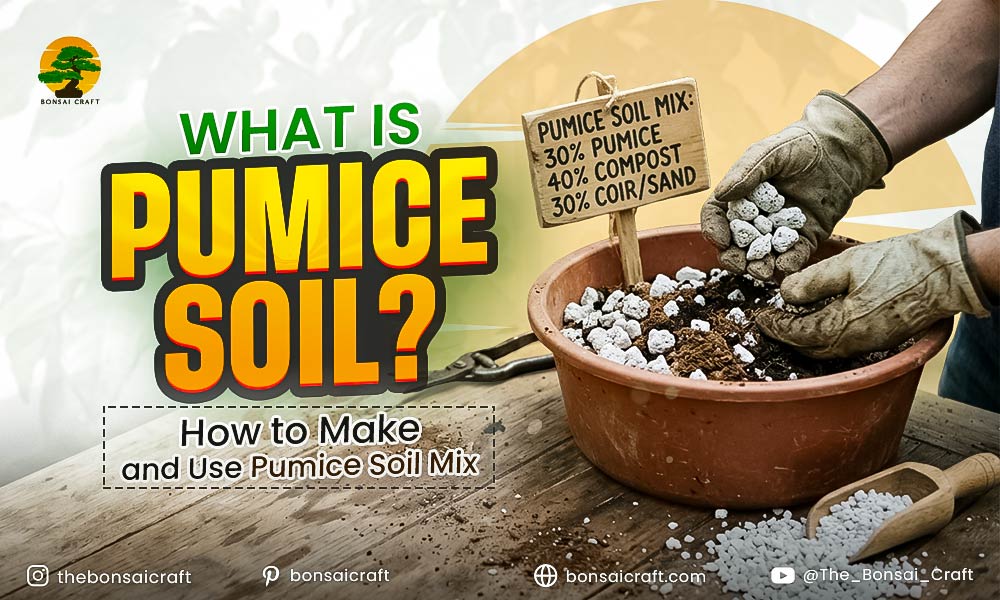
Pumice soil has become a core component in modern horticulture, bonsai cultivation, and professional potting mixes due to its exceptional drainage and aeration properties. Whether you are growing bonsai, succulents, or garden plants, understanding how pumice works in soil can significantly improve root health and plant growth.
Pumice is not a traditional “soil” but a volcanic mineral amendment that enhances soil structure. Its porous nature allows it to retain moisture while preventing compaction—two factors that are critical for healthy root systems. This guide explains what pumice soil is, how to mix it properly, and how to use it across different applications like bonsai, containers, and garden beds.
What Is Pumice Soil?
Pumice soil is a soil mix that contains pumice, a lightweight volcanic rock that improves drainage, aeration, and root health. Pumice is formed when gas-rich lava cools rapidly, creating a highly porous structure filled with air pockets. According to the United States Geological Survey (USGS), pumice is characterized by its low density and high porosity, allowing it to float on water initially.
When added to soil, pumice acts as a structural amendment rather than a nutrient source. It creates air gaps within the soil matrix, which prevents waterlogging and supports oxygen exchange at the root level. This is especially important for plants prone to root rot, such as bonsai trees, succulents, and cacti.
Unlike organic materials, pumice does not decompose over time, meaning it provides long-term stability in soil mixes. This makes it a preferred choice for growers who want consistent soil performance over multiple growing seasons.
What Is Pumice Used for in Soil?
Pumice is used in soil to improve drainage, increase aeration, and prevent compaction. The primary function of pumice in soil is physical improvement rather than nutritional enhancement. According to horticultural research from Oregon State University Extension, pumice helps maintain soil structure by reducing bulk density and improving water infiltration.
In practice, pumice serves three critical roles. First, it prevents soil compaction, which is a common issue in container gardening. Second, it balances moisture retention by holding small amounts of water within its pores. Third, it enhances root respiration by increasing oxygen availability.
These properties make pumice particularly valuable in high-performance soil mixes, including bonsai substrates and greenhouse potting blends.
How Does Pumice Work in Soil?
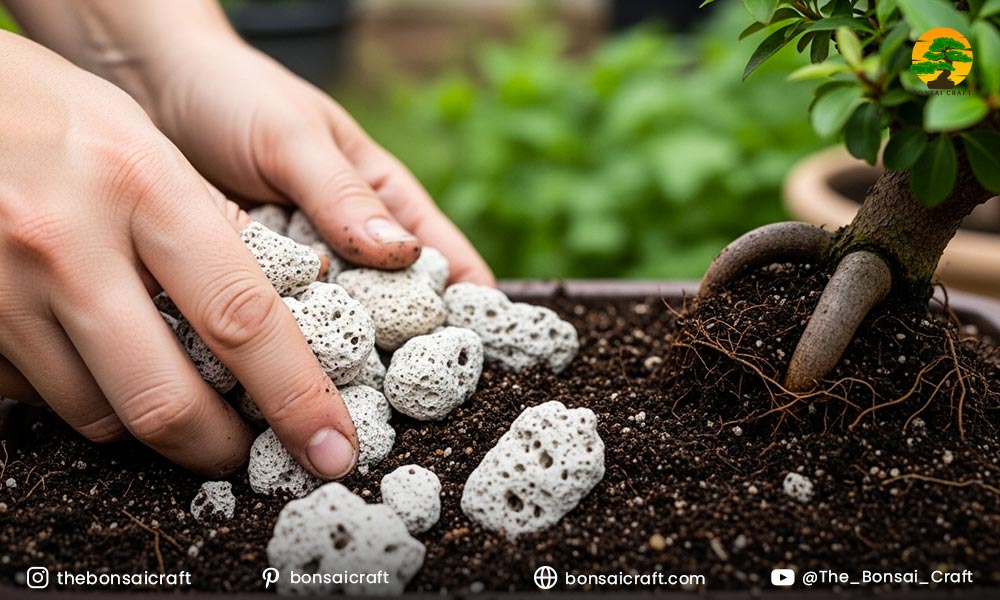
Pumice works by creating air pockets and improving water movement through the soil. The porous structure of pumice allows it to absorb water and release it slowly while maintaining airflow around roots. According to the University of Nevada Cooperative Extension, pumice can hold moisture while still providing excellent drainage, which helps prevent overwatering issues.
This dual function, retaining moisture while draining excess water is what makes pumice superior to many other soil amendments. It creates a balanced environment where roots receive both water and oxygen, which are essential for nutrient uptake and growth.
What Is Pumice Soil Mix?
A pumice soil mix is a blend of pumice with organic and inorganic materials to create a well-draining growing medium. A typical pumice soil mix combines pumice with components like potting soil, compost, bark, or other aggregates such as sand or lava rock. The goal is to create a balanced substrate that supports plant growth while avoiding water retention problems.
For example, in bonsai cultivation, pumice is often combined with akadama and lava rock to create a structured, fast-draining medium. In general gardening, it is mixed with standard potting soil to improve texture and drainage.
The exact ratio depends on the plant type, climate, and container size.
How to Mix Pumice with Soil?
To mix pumice with soil, combine it with your base soil in the correct ratio based on plant needs and growing conditions.
Start by selecting a high-quality base soil, such as potting mix or garden soil. Then add pumice in measured proportions. For general houseplants, a ratio of 20–30% pumice is widely recommended by horticultural experts.
For plants that require excellent drainage, such as succulents or bonsai, you can increase the pumice content to 50% or more. Mix thoroughly to ensure even distribution, as uneven mixing can lead to inconsistent moisture zones.
It is also advisable to rinse pumice before use to remove dust particles that may clog soil pores.
How to Make Pumice Soil Mix at Home?
To make pumice soil, blend pumice with organic matter and other aggregates to achieve the desired drainage and structure.
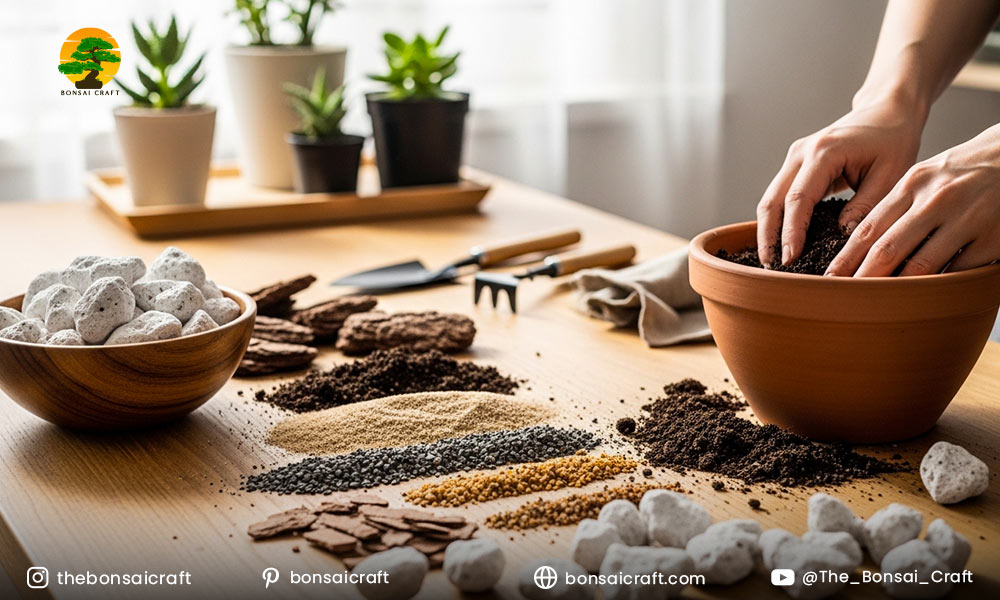
A simple DIY pumice soil mix can be created using three components: pumice, organic material (such as compost or peat), and a structural additive like bark or sand. A common formula is:
- 40% pumice
- 40% organic soil or compost
- 20% bark or sand
This mix works well for most container plants. For more specialized uses, such as bonsai, the composition can be adjusted to include akadama and lava rock for better structure and water control.
The key principle is balance, ensuring the mix drains well while still retaining enough moisture for plant uptake.
How Much Pumice Should You Add to Soil?
The amount of pumice to add depends on the plant type, but typically ranges from 20% to 50% of the total soil mix. For general indoor plants, adding 20–30% pumice improves drainage without drying the soil too quickly. For succulents and cacti, 40–60% pumice is more appropriate due to their low water requirements.
In bonsai cultivation, pumice often forms one-third of the soil mix, alongside akadama and lava rock. According to bonsai cultivation standards, this balance ensures proper drainage, aeration, and moisture retention.
Climate also plays a role. In humid regions, higher pumice content helps prevent excess moisture buildup.
Is Pumice Good for Bonsai Soil?
Pumice is essential for bonsai soil because it provides drainage, aeration, and root stability. In bonsai cultivation, soil performance directly affects tree health and development. Pumice is widely used because it supports fine root growth and prevents waterlogging.
A standard juniper bonsai soil mix, akadama, pumice, lava ratio is often 1:1:1. This combination creates a highly structured medium that drains quickly while retaining enough moisture for sustained growth.
Pumice also anchors roots effectively, which is important for tree stability in shallow bonsai containers.
Is Pumice Good for Garden Soil?
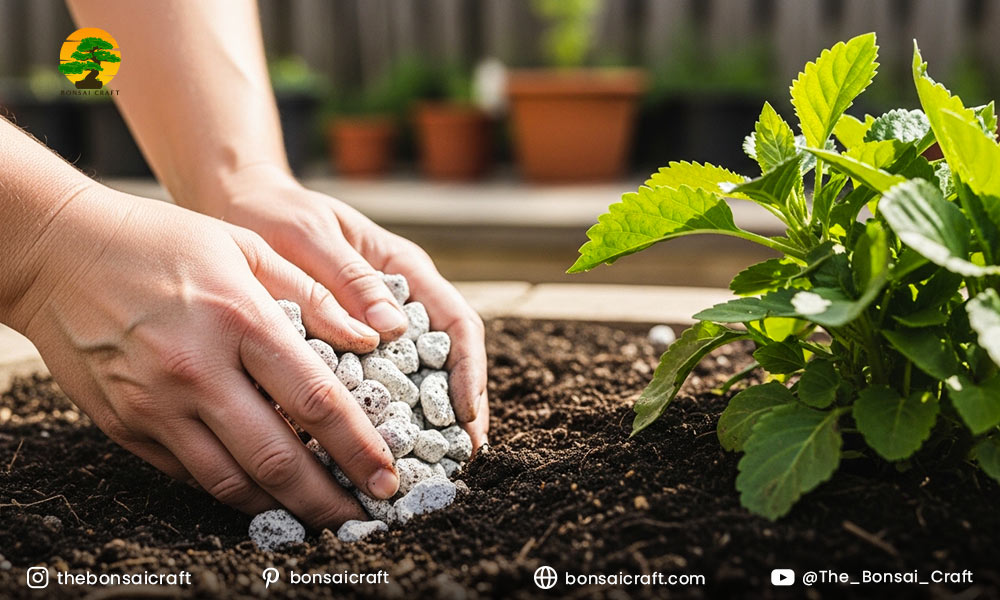
Pumice improves garden soil by loosening heavy soil and enhancing drainage. In outdoor gardening, pumice is particularly useful for clay soils, which tend to retain too much water. By incorporating pumice, gardeners can improve soil texture and reduce compaction.
According to agricultural extension studies, adding mineral aggregates like pumice increases soil permeability and promotes healthier root systems. This leads to better plant growth and reduced risk of root diseases.
Pumice is also beneficial in raised beds, where controlled soil structure is essential.
Pumice vs Perlite: Which Is Better for Soil?
Pumice is more durable and stable than perlite, making it better for long-term soil structure. Both pumice and perlite improve drainage, but they differ in durability. Perlite is lighter and breaks down over time, while pumice remains stable for years.
Pumice is also heavier, which helps anchor plants in containers. This makes it a preferred choice for bonsai and outdoor pots where stability matters.
However, perlite may be more suitable for lightweight indoor mixes where weight is a concern.
FAQs
What is pumice soil used for?
Pumice soil is used to improve drainage and aeration in plant-growing media.
It helps prevent root rot by allowing excess water to drain while maintaining airflow around roots. This makes it ideal for bonsai, succulents, and container plants that require well-draining soil conditions.
Can pumice replace soil completely?
Pumice cannot fully replace soil because it lacks nutrients.
While pumice provides structure and aeration, plants still need organic matter or nutrient-rich components for growth. It is best used as a soil amendment rather than a standalone growing medium.
Is pumice better than sand for soil?
Pumice is generally better than sand for improving soil structure.
Unlike sand, pumice is porous and retains some moisture while still providing drainage. Sand can compact over time, whereas pumice maintains consistent aeration and does not break down.
How often should pumice be replaced in soil?
Pumice rarely needs replacement because it does not decompose.
Its volcanic origin makes it highly durable, allowing it to maintain soil structure for years. You may only need to refresh the mix if other organic components break down.
Is pumice safe for all plants?
Pumice is safe for most plants but works best for those needing good drainage.
Plants like succulents, bonsai, and herbs benefit the most, while moisture-loving plants may require lower pumice ratios to avoid excessive drying.
Conclusion
Pumice soil is not just a trend, it is a scientifically supported soil amendment that enhances drainage, aeration, and long-term soil stability. Whether you are working with bonsai, container plants, or garden beds, integrating pumice into your soil mix can significantly improve plant health.
The key is understanding the correct ratios and adapting the mix to your plant type and climate. When used properly, pumice creates a balanced growing environment where roots can thrive without the risks of compaction or waterlogging.