Osmanthus fragrans, also known as Sweet Osmanthus or Fragrant Olive, is a highly cherished evergreen shrub known for its sweet-smelling flowers and versatile use in landscaping. Native to Asia, this plant has become a beloved addition to gardens around the world. Whether you’re captivated by its aromatic blooms or seeking a low-maintenance shrub, this guide will help you understand how to grow and care for Osmanthus fragrans in Osmanthus fragrans: Grow for Sweet Fragrance – Complete Guideyour own garden.
Gardeners who enjoy fragrant evergreen plants may also explore other aromatic species and care principles covered in our complete bonsai care guide, which explains light, watering, and maintenance basics that apply to many shrubs and small trees.
What is Osmanthus fragrans? Understanding This Fragrant Plant
Osmanthus fragrans is an evergreen shrub or small tree native to East Asia, prized mainly for its highly fragrant flowers. It naturally grows in regions such as China, Japan, and the Himalayas and is best known for blooming from late summer to fall. The flowers are small and star-shaped, usually creamy white or pale yellow, but they produce a surprisingly strong, sweet aroma often compared to apricots, peaches, or jasmine.
Although the plant’s appearance is simple rather than flashy, its dense green foliage and seasonal blooms fit well in both formal and informal gardens. What truly sets Osmanthus fragrans apart is its long-lasting fragrance, which fills the surrounding air and attracts pollinators and garden visitors. Because it requires minimal care once established, it is an ideal choice for gardeners who want a low-maintenance yet highly aromatic plant for their outdoor space.
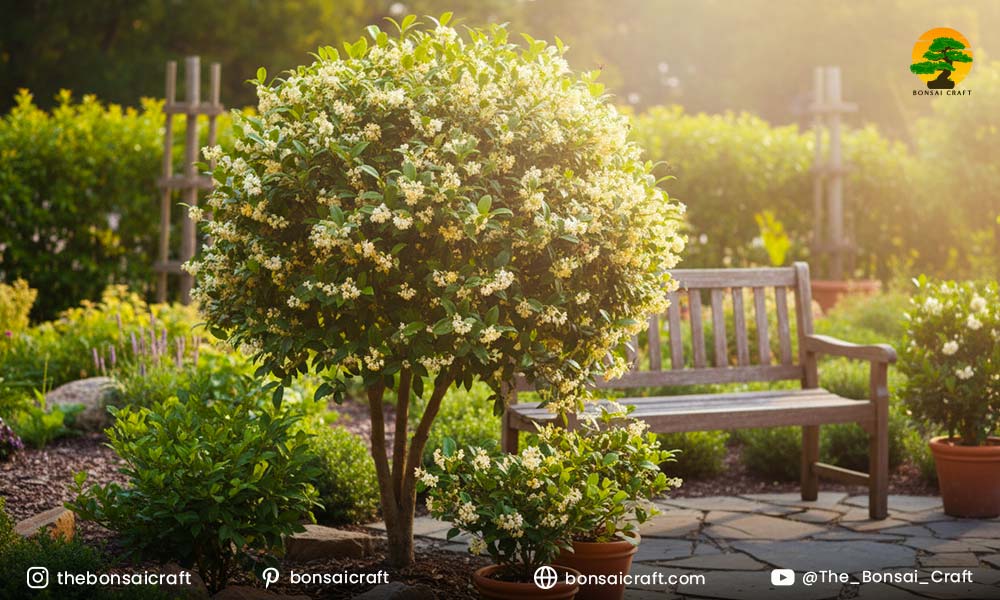
The Sweet Fragrance of Osmanthus fragrans: Why It’s Worth Growing
Osmanthus fragrans is valued for its sweet, apricot-like fragrance that enhances any garden. One of the most compelling reasons to grow this plant is its delightful scent. Though the flowers are small, they emit an incredibly fragrant aroma that naturally fills the garden and surrounding air, creating a signature perfume for your outdoor space. This gentle, sweet fragrance is distinct yet not overpowering, making it ideal for gardeners who enjoy floral scents without the intensity of stronger-smelling plants like jasmine. It works especially well in smaller gardens, near patios, or outdoor seating areas where you can fully appreciate its aroma during the warmer months.
In addition to its enchanting fragrance, Osmanthus fragrans supports local wildlife by attracting pollinators such as bees and butterflies. Its combination of aromatic flowers, low-maintenance growth, and ability to enhance both the sensory and ecological appeal of your garden makes it a highly rewarding shrub or small tree to cultivate, suitable for both formal and informal garden settings. If you appreciate naturally scented plants, you may also enjoy learning about other fragrant ornamentals such as Jasminum sambac, which is widely grown for its soothing aroma and garden versatility.
Osmanthus fragrans Varieties: Exploring Aurantiacus and More
There are several varieties of Osmanthus fragrans, each offering its own unique traits. Here are some of the most popular and interesting varieties:
1. Osmanthus fragrans var. aurantiacus
The Osmanthus fragrans var. aurantiacus is a variety known for its striking orange or apricot-colored flowers, a rarity among Osmanthus fragrans plants, which typically produce white or pale yellow blooms. The vibrant orange flowers of this variety are highly aromatic, offering the same sweet, apricot-like fragrance that has made Osmanthus fragrans famous. This variety is perfect for adding a pop of color to your garden while enjoying the signature fragrance.
2. Osmanthus fragrans var. thunbergii
Another variety, Osmanthus fragrans var. thunbergii, produces smaller, more delicate white flowers with a very similar fragrance profile. This variety is known for its compact growth, making it ideal for smaller spaces or container planting.
3. Osmanthus fragrans var. grandiflorus
For those seeking larger blooms, Osmanthus fragrans var. grandiflorus is a suitable choice. This variety features larger, more pronounced flowers, although it shares the same fragrance and growing habits as other Osmanthus fragrans varieties.
Osmanthus fragrans Flower: What to Expect from Its Stunning Blossoms
Osmanthus fragrans produces small, star-shaped flowers that are highly fragrant and bloom in clusters. These blossoms, usually less than an inch across, appear in late summer to early fall and are most admired for their sweet, lingering aroma rather than their visual impact. The typical flowers are creamy white or pale yellow, while the aurantiacus variety boasts vibrant orange blooms that add a splash of color to the garden. Depending on the variety, the flowering period can last several weeks, during which the plant fills the surrounding air with its signature, enchanting scent.
Blooming in the fall, Osmanthus fragrans flowers provide a delightful contrast to the otherwise quiet autumn garden, offering a touch of fragrance and subtle beauty when many other plants have finished their seasonal display. This combination of delicate blooms and irresistible aroma makes it a standout choice for gardeners seeking sensory appeal and seasonal interest.
How to Care for Osmanthus fragrans: Tips for Healthy Growth
Osmanthus fragrans thrives with moderate care, needing proper light, soil, water, and nutrients for healthy growth.
Although it is relatively low-maintenance, giving it the right conditions ensures strong growth, abundant flowers, and its signature fragrance.
1. Light Requirements
Osmanthus fragrans does best in full sun to partial shade. While it can tolerate some shade, it produces the best flowers and fragrance when planted in a location that receives plenty of sunlight. A sunny spot will also encourage healthier growth and stronger blooming periods.
2. Soil Conditions
This plant prefers well-draining, slightly acidic to neutral soil. It can tolerate a range of soil types, including loamy, clay, and sandy soils, but it’s crucial to ensure the soil is not too compacted or waterlogged. Osmanthus fragrans dislikes “wet feet,” so make sure the planting site has good drainage to prevent root rot.
Understanding proper drainage is essential for long-term plant health, and this detailed resource on bonsai plant soil explains soil structure, aeration, and moisture balance concepts that also benefit garden-grown shrubs like Osmanthus fragrans.
3. Watering Needs
Water Osmanthus fragrans regularly, especially during dry spells, but be sure not to overwater it. The plant is relatively drought-tolerant once established, but frequent deep watering during the growing season will encourage healthy growth. Reduce watering in winter when the plant is dormant.
Correct watering plays a key role in preventing root issues, and this guide on the importance of bonsai tree watering highlights moisture-management principles that apply equally to ornamental shrubs and container plants.
4. Fertilizing
Fertilize your Osmanthus fragrans in the spring with a balanced, slow-release fertilizer. This will provide essential nutrients for robust growth and flowering. Avoid over-fertilizing, as this can lead to excessive foliage growth at the expense of flowering.
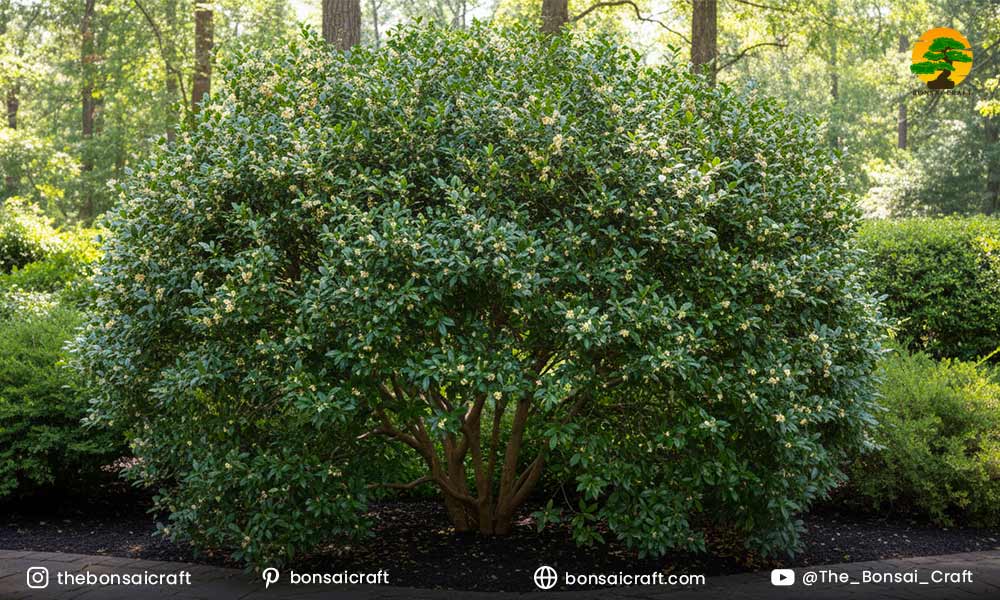
Osmanthus fragrans Size: How Big Does This Fragrant Plant Grow?
Osmanthus fragrans typically grows 10 to 15 feet tall with a spread of up to 12 feet.
Some varieties, like Osmanthus fragrans var. aurantiacus, may reach slightly larger sizes. The plant has a dense, bushy form and can be cultivated either as a shrub or a small tree, making it versatile for different garden settings. It works well as a hedge, a specimen shrub, or even in large containers, provided there is enough space for it to reach its full size.
Regular pruning helps control its height and shape, preventing it from outgrowing smaller gardens. Periodic trimming also removes dead or damaged wood, encourages healthier growth, and maintains an attractive overall form, ensuring the plant remains both functional and visually appealing in your landscape.
How to Grow Osmanthus fragrans from Seed: A Step-by-Step Guide
Osmanthus fragrans can be grown from seed, though it requires patience due to slow germination.
Starting from seed allows gardeners to cultivate this fragrant plant from the very beginning, but it is a gradual process that can take several months.
Step 1: Collect Seeds
Harvest mature seeds from the plant’s fruit in late fall when they are fully ripe.
Step 2: Soak Seeds
Soak the seeds in water for 24 hours to soften their hard outer coating, which improves the chances of successful germination.
Step 3: Plant Seeds
Plant the seeds about 1/2 inch deep in a well-draining potting mix, pressing them gently into the soil to ensure good contact.
Step 4: Provide Warmth and Moisture
Place the planted seeds in a warm, shaded location. Keep the soil consistently moist, but avoid waterlogging, which can cause the seeds to rot.
Step 5: Wait for Germination
Be patient, as germination can take several months. Once seedlings emerge, allow them to grow in pots until they are strong and large enough to be transplanted into the garden.
By following these steps carefully, you can successfully grow Osmanthus fragrans from seed and eventually enjoy its fragrant blooms and lush foliage in your garden.
When and How to Prune Osmanthus fragrans for Optimal Health
Osmanthus fragrans should be pruned after flowering to maintain shape and promote healthy growth. Pruning helps the plant stay attractive, encourages new growth, and prevents disease while keeping its fragrant blooms strong.
Step 1: Remove Dead or Damaged Wood
Begin by cutting away any branches that are dead, damaged, or showing signs of disease. This helps the plant focus energy on healthy growth and prevents the spread of problems.
Step 2: Shape the Plant
Trim branches carefully to maintain a tidy, balanced shape. Avoid cutting too much, as excessive pruning can reduce flowering in the next season. Regular shaping keeps the plant visually appealing and encourages denser foliage.
Step 3: Thinning
For older or larger plants, selectively thin some inner branches to improve airflow and light penetration. This reduces the risk of fungal diseases and allows the fragrant flowers to develop more fully.
Gardeners interested in improving pruning technique and timing can also refer to this practical guide to pruning and shaping bonsai trees, which covers branch selection, airflow improvement, and growth balance—concepts useful for Osmanthus fragrans maintenance as well.
How to Propagate Osmanthus fragrans: Simple Methods for Success
Osmanthus fragrans can be propagated successfully through cuttings or layering.
Both methods allow gardeners to create new plants while preserving the parent plant’s traits, making it a reliable way to expand your garden with this fragrant shrub or small tree.
1. Propagation by Cuttings
- Take Cuttings: In late summer or early fall, select a 4–6 inch semi-hardwood piece from a healthy plant.
- Rooting Hormone: Dip the cut end in rooting hormone to stimulate root growth.
- Planting: Place the cutting in a pot filled with well-draining potting mix, keeping it in a warm, shaded location. Ensure the soil remains moist but not waterlogged.
- Root Development: After 6–8 weeks, roots should form, allowing the cutting to be transplanted into a larger pot or directly into the garden.
2. Propagation by Layering
- Select a Healthy Branch: Choose a low-growing branch and gently bend it toward the soil.
- Pin the Branch: Dig a shallow hole and secure the branch with a U-shaped wire or a small rock.
- Cover with Soil: Cover the pinned section with soil while leaving the tip exposed.
- Rooting: Within several months, roots will develop at the buried section, after which the new plant can be separated from the parent and transplanted.
Using these propagation techniques, you can expand your Osmanthus fragrans collection, ensuring more fragrant blooms and lush greenery in your garden.
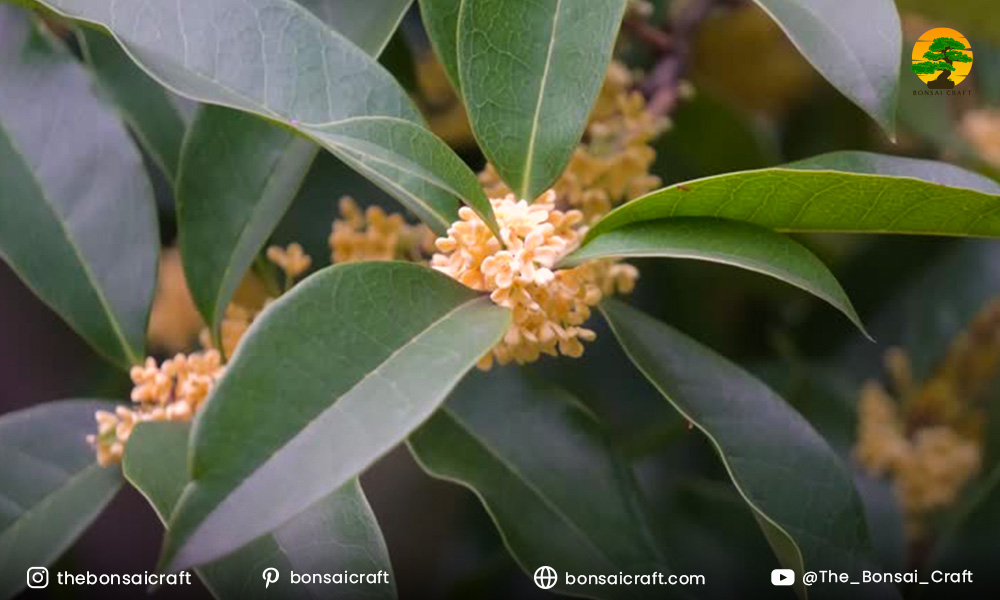
What Does Osmanthus fragrans Smell Like?
Osmanthus fragrans has a sweet, fruity fragrance reminiscent of apricots or peaches.
Its delicate floral aroma carries a subtle creamy note, creating a pleasing scent that is both noticeable and gentle. The fragrance is strong enough to fill the surrounding air, attracting pollinators like bees and butterflies, yet it remains soft and non-overpowering for people. This combination of sweetness and subtlety makes Osmanthus fragrans an ideal plant for gardens, patios, or any outdoor space where a natural, lingering perfume is desired.
Conclusion
Osmanthus fragrans is a versatile and fragrant plant that can bring year-round beauty and a sweet scent to your garden. With the right care and attention, it can thrive and become a standout feature in your landscape. Whether you’re looking for a fragrant hedge, specimen shrub, or a plant to enjoy from the comfort of your outdoor seating area, Osmanthus fragrans offers both beauty and aroma in abundance.
Frequently Asked Questions (FAQs)
What is Osmanthus fragrans?
Osmanthus fragrans is an evergreen shrub or small tree known for its highly fragrant flowers. Native to East Asia, this plant is prized for its sweet, apricot-like scent that typically blooms in the fall. It has dense foliage and small, star-shaped flowers, making it a versatile addition to gardens, hedges, or container planting.
How do you care for Osmanthus fragrans?
To care for Osmanthus fragrans, provide it with well-draining soil, ample sunlight, and regular watering. It thrives in full sun to partial shade, prefers slightly acidic to neutral soil, and needs consistent moisture, especially during dry periods. Fertilize in spring with a balanced, slow-release fertilizer, and prune after flowering to maintain shape and encourage healthy growth.
When should I prune Osmanthus fragrans?
Prune Osmanthus fragrans after it finishes blooming, usually in late fall or early spring. Start by removing any dead, damaged, or diseased branches. Shape the plant to maintain a tidy form and encourage new growth, and for older plants, thin inner branches to improve airflow and prevent disease. Proper pruning ensures healthy growth and abundant fragrance.
What does Osmanthus fragrans smell like?
Osmanthus fragrans has a sweet, fruity fragrance similar to apricots or peaches. Its delicate floral scent carries a subtle creamy note, filling the air without being overpowering. The fragrance attracts pollinators such as bees and butterflies, making it a perfect addition for sensory appeal in gardens and outdoor spaces.
Where can I buy Osmanthus fragrans?
You can buy Osmanthus fragrans at local nurseries, garden centers, and reputable online retailers. Stores like Etsy, Amazon, and The Home Depot often carry this fragrant plant. When purchasing, check the quality of the plant and the reputation of the seller to ensure healthy growth and a strong fragrance.
