
The Liquidambar styraciflua, commonly known as the Sweetgum tree, is an elegant, large deciduous tree native to the southeastern United States. Revered for its striking, star-shaped leaves, vibrant autumn colors, and unique spiky seed pods, Liquidambar styraciflua has become a staple in gardens and landscapes across the country. Whether planted for its beauty, shade, or ecological benefits, this tree offers multiple advantages for both homeowners and landscapers. However, to truly make the most of this majestic tree, it’s important to understand how to care for it properly. This comprehensive guide will take you through every aspect of Liquidambar styraciflua care, from planting to pruning, managing common issues, and more.
Botanical Name: Liquidambar styraciflua
Common Name: Sweetgum Tree
Plant Type: Deciduous tree
Native Range: Southeastern United States
Mature Size: 60–75 ft tall, 40–50 ft wide
Sun Requirements: Full sun
Soil Preference: Moist, well-drained, slightly acidic
USDA Hardiness Zones: 5–9
For gardeners interested in exploring broader tree care principles alongside ornamental species, our complete bonsai care guide explains essential watering, soil, and maintenance practices that also apply to larger landscape trees like Sweetgum.
Overview of Liquidambar styraciflua (Sweetgum Tree)
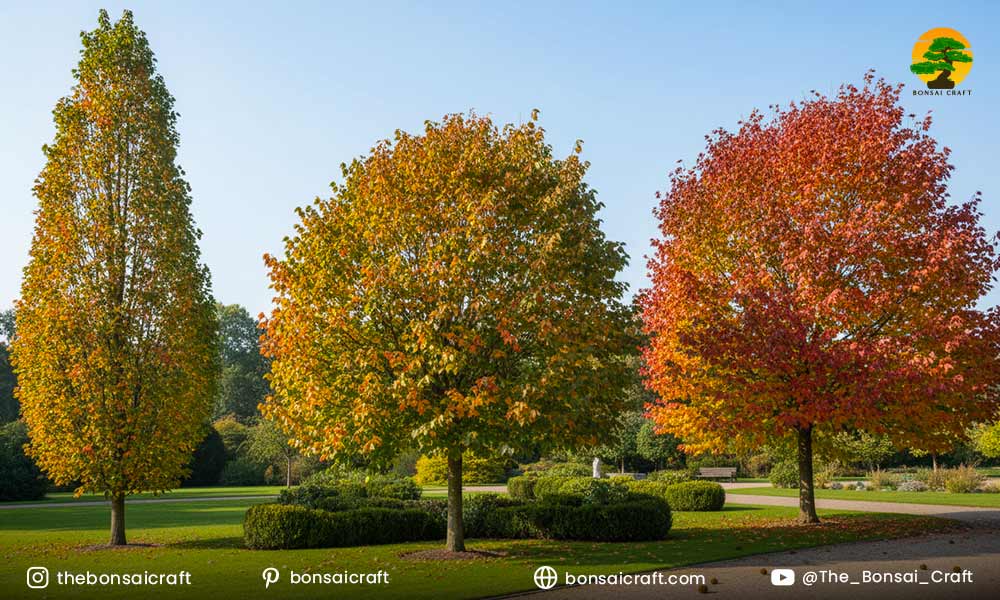
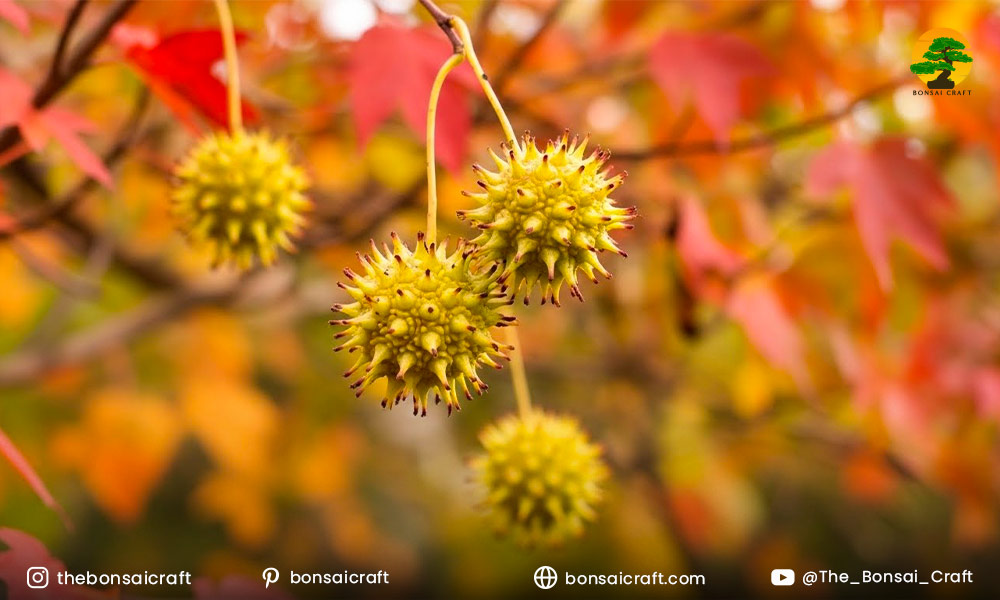
The Liquidambar styraciflua, or Sweetgum, is a fast-growing, tall tree that can reach heights of 60-75 feet and spread 40-50 feet across. It’s an ideal tree for large yards, parks, and urban streetscapes where height and vertical presence are desired. This tree’s striking star-shaped leaves, with five to seven lobes, are green in the spring and summer but transform into brilliant shades of yellow, orange, and red in the fall, making it a favorite for fall color. In addition to its foliage, Liquidambar styraciflua produces round, spiky seed pods known as gumballs.
These are one of the tree’s most recognizable features, though they can be a bit of a nuisance during autumn when they fall to the ground. Despite this, the beauty of the Sweetgum tree far outweighs the clean-up required for the fallen gumballs.
One of the key characteristics of Liquidambar styraciflua is its upright, pyramidal shape when young, which matures into a more rounded form as it ages. It’s a tree that adapts well to a variety of conditions, thriving in full sun and offering significant environmental benefits, including providing shade and reducing the urban heat island effect. However, this tree requires adequate space to grow, as its mature size can overwhelm smaller gardens or restricted areas.
Trees that provide similar seasonal interest and strong landscape presence include species such as Magnolia grandiflora, which is also valued for its canopy structure, ornamental foliage, and long-term visual impact in larger gardens.
Types of Liquidambar styraciflua
While the Liquidambar styraciflua is impressive in its natural form, several cultivars offer unique attributes tailored for different landscape needs. These cultivars focus on other aspects such as size, shape, and even gumball production, giving homeowners and landscapers more flexibility.
Liquidambar styraciflua ‘Slender Silhouette’
One of the most popular cultivars of Liquidambar styraciflua is ‘Slender Silhouette’, which has a much narrower, columnar shape compared to the standard variety. This makes it ideal for small urban spaces or areas with limited horizontal space. Despite its smaller footprint, ‘Slender Silhouette’ retains all the other stunning features of the Sweetgum—including the vibrant fall foliage and star-shaped leaves. It grows to about 40 feet in height with a spread of only 10-15 feet, making it a perfect choice for tight spaces where height is more important than width.
Liquidambar styraciflua ‘Rotundiloba’
For those seeking a Sweetgum with a more compact form, ‘Rotundiloba’ is another excellent variety. This cultivar has rounder, less deeply lobed leaves, which give it a softer, less spiky appearance. It also tends to be smaller in stature, making it suitable for suburban gardens or areas where a large tree would be too imposing. The ‘Rotundiloba’ offers a dense canopy and vibrant fall color. This cultivar is often sterile, producing few or no gumballs, making it a popular low-maintenance choice in a more manageable size for smaller spaces.
Liquidambar styraciflua ‘Moraine’
The ‘Moraine’ cultivar is known for its dense, symmetrical crown and its ability to produce fewer gumballs than the standard Sweetgum. This variety is particularly desirable for homeowners who appreciate the aesthetic appeal of Liquidambar styraciflua but prefer to avoid the mess of fallen fruit. ‘Moraine’ is also prized for its excellent autumn color, and it grows to a more moderate size, making it suitable for a variety of landscape settings.
How to Care for Liquidambar styraciflua
Caring for Liquidambar styraciflua involves understanding its growing conditions, watering needs, pruning requirements, and maintaining overall health. Proper care is essential to ensure that the tree flourishes and reaches its full potential.
Choosing the Right Planting Location
When selecting a location for planting Liquidambar styraciflua, it’s essential to ensure that it has enough space to grow. As a large tree, the Sweetgum needs plenty of room to spread its branches and roots. Ideally, the tree should be planted in an area that receives full sun for at least six hours per day. While it can tolerate partial shade, it will not produce the same vibrant fall color or optimal growth in low-light conditions.
The soil should be well-drained but moist, with a slightly acidic pH for best results. Sweetgum trees are adaptable to a range of soil types, including loamy, sandy, and clay soils, but they prefer slightly acidic conditions. Avoid planting in areas where the soil tends to become waterlogged, as this can lead to root rot. If your soil is heavy or compacted, it’s a good idea to amend it with organic matter to improve drainage. In alkaline soils, Sweetgum trees may develop iron chlorosis, which appears as yellow leaves with green veins.
If you want a deeper understanding of how soil composition affects long-term plant health, this detailed guide on bonsai plant soil breaks down drainage, pH balance, and organic matter in a way that applies to both trees and container-grown plants.
Root System Considerations
Liquidambar styraciflua develops a strong, wide-spreading root system that can lift sidewalks or compete with nearby plants if planted too close to structures. For best results, plant Sweetgum trees at least 20–25 feet away from buildings, driveways, and underground utilities.
Watering and Fertilizing
Liquidambar styraciflua requires regular watering, especially during the early stages of growth. Once established, it is somewhat drought-tolerant but will thrive with deep watering during dry periods. It’s important to avoid overwatering, as this can cause root rot. Water the tree deeply and infrequently, allowing the soil to dry slightly between watering sessions. Mulching around the base of the tree can help retain moisture, especially in hot weather.
Fertilization is generally not required unless your Sweetgum tree is showing signs of nutrient deficiency. A balanced, slow-release fertilizer can be applied in early spring to encourage healthy growth, but avoid excessive fertilizing, as this can lead to weak growth and other issues. If your tree is growing in nutrient-rich soil, it may not need any supplemental feeding.
Proper moisture management is a key factor in tree longevity, and this resource on the importance of bonsai tree watering highlights watering principles that are equally valuable when caring for large deciduous trees like Liquidambar styraciflua.
Pruning and Maintenance
Liquidambar styraciflua requires minimal pruning. However, it’s important to remove dead, damaged, or diseased branches as soon as you notice them. This helps maintain the tree’s overall health and appearance. For young trees, thinning out crossing or inward-growing branches will help promote a strong, upright structure.
The best time to prune Sweetgum trees is in late winter or early spring before new growth begins. Avoid heavy pruning, as this can stress the tree and lead to weaker growth. Keep the natural shape of the tree intact by only removing branches that are essential for its health or form. Sweetgum trees may bleed sap if pruned in late winter or early spring. This sap bleeding is harmless but can be avoided by pruning in late summer if appearance is a concern.
Gardeners looking to refine their pruning techniques can also refer to this step-by-step guide to bonsai pruning and shaping, which explains timing, branch selection, and structural balance—concepts that translate well to mature landscape trees.
Managing Gumballs: A Minor Inconvenience
One of the most distinctive and sometimes frustrating features of the Liquidambar styraciflua is its gumballs, the spiky seed pods that fall from the tree in late autumn. While they add to the tree’s unique appeal, they can create a significant cleanup challenge. The gumballs are hard, spiny, and often accumulate in large quantities on the ground, making them a tripping hazard and a nuisance for homeowners who prefer low-maintenance landscaping.
What Are Gumballs and Why Do They Form?
Gumballs are the seed pods of the Sweetgum tree, containing seeds that help propagate the species. It’s important to note that only female Sweetgum trees produce gumballs, while male trees do not produce seed pods. As they mature, the spiky, round pods fall to the ground, creating a visual spectacle but also a clean-up task for homeowners. While the tree’s beauty and fall color make it worth the occasional mess, managing the gumballs is an important part of tree care.
How to Effectively Manage Gumball Clean-up
To manage the gumballs effectively, regular raking or the use of a leaf blower or vacuum is essential. Clearing them up promptly can help keep your garden and pathways clean. Additionally, using a mulch layer around the base of the tree can help absorb some of the impact when the gumballs fall, making them easier to collect.
Varieties with Fewer Gumballs: The Best Choices
If you’re particularly sensitive to the mess created by the gumballs, consider planting varieties like ‘Moraine’ that produce fewer gumballs. While it’s impossible to completely eliminate the gumballs, choosing a cultivar with fewer fruiting bodies can help reduce the workload during the fall season.
Common Issues and Troubleshooting
While Liquidambar styraciflua is a relatively resilient tree, it can face a few common issues that may need addressing. Regular monitoring and maintenance will help keep your Sweetgum tree healthy.
Pests
Aphids are one of the most common pests that affect Liquidambar styraciflua. They often congregate on the underside of leaves and can leave behind a sticky residue that leads to sooty mold. While aphids don’t typically harm the tree, they can be a nuisance. A gentle wash with water or the use of insecticidal soap will usually remove them.
Diseases
Powdery mildew is another common issue with Liquidambar styraciflua, especially in humid climates. This fungal disease manifests as a white, powdery coating on the leaves. It’s mostly cosmetic, but severe cases can reduce the tree’s vigor. Fungicides may be necessary if the mildew becomes widespread.
Root rot can also occur if the tree is planted in poorly draining soil. Ensuring the tree is planted in well-drained soil and not overwatered will prevent this issue.
Leaf Drop and Soil Conditions
If your Liquidambar styraciflua begins dropping leaves prematurely or shows signs of yellowing, it could be a sign of environmental stress or poor soil conditions. Inadequate watering, compacted soil, or nutrient deficiencies can contribute to these issues. Be sure to inspect the soil and adjust watering habits as needed regularly.
The Benefits and Uses of Liquidambar styraciflua
Beyond its aesthetic appeal, Liquidambar styraciflua offers a range of practical benefits.
Shade and Cooling Properties
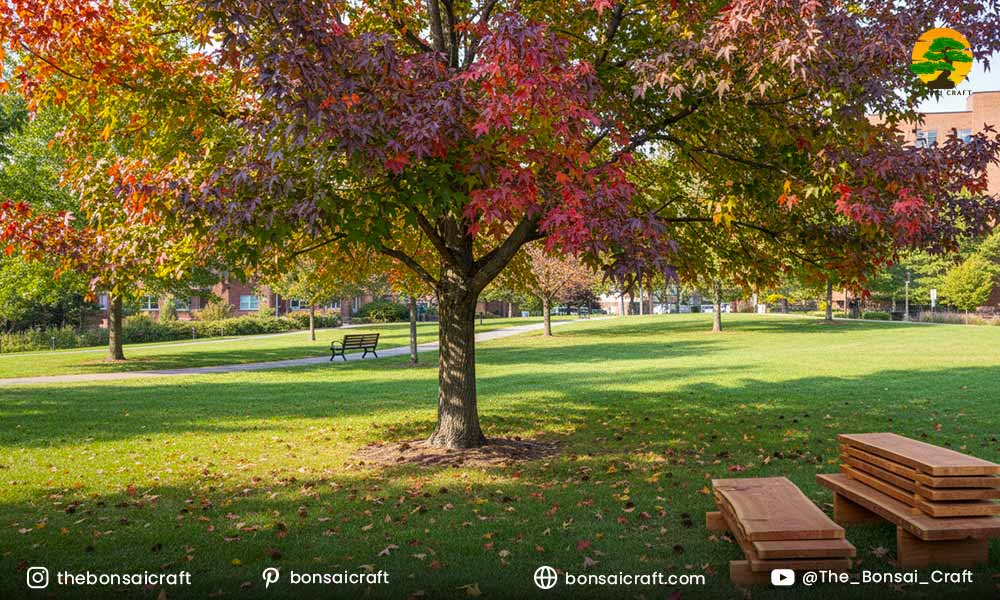
The Sweetgum tree provides significant shade, making it an excellent choice for larger properties or urban areas looking to reduce heat buildup. Its dense canopy can lower temperatures in surrounding areas, making it a great tree for combating the urban heat island effect.
Wood and Lumber Uses
The wood of Liquidambar styraciflua is dense and durable, often used in furniture-making, cabinetry, and other woodworking projects. While it’s not as widely used as hardwoods like oak or maple, Sweetgum wood is highly valued for its attractive grain and strength.
Aesthetic Appeal and Landscaping
With its distinctive foliage, unique fruit, and vibrant fall color, Liquidambar styraciflua is a stunning ornamental tree. Whether used as a specimen tree or incorporated into a larger landscape design, it adds beauty and character to any space year-round.
How to Pronounce Liquidambar styraciflua
The scientific name Liquidambar styraciflua can seem intimidating, but it’s relatively simple to pronounce when broken down:
“li-kwid-AM-bar stye-rah-SIF-loo-ah”. A little practice and you’ll have it mastered!
Conclusion
The Liquidambar styraciflua, or Sweetgum tree, is a beautiful, versatile addition to any landscape. Whether you are looking for an ornamental tree that offers stunning seasonal colors, a fast-growing shade provider, or an environmentally beneficial species for your garden, the Sweetgum is an excellent choice. By understanding its planting requirements, maintaining proper watering and pruning habits, and addressing common issues like pests or gumball cleanup, you can enjoy a thriving Liquidambar styraciflua for years to come.
With the right care and attention, this majestic tree can become a standout feature in your landscape, offering year-round beauty, shade, and environmental benefits. From the vibrant colors of fall to the cool shade it provides in summer, the Sweetgum tree’s unique qualities make it well worth the effort.
If you’re ready to bring the beauty of Liquidambar styraciflua into your garden or landscape, use this guide as your go-to resource for successful planting, care, and maintenance!
Frequently Asked Questions (FAQs)
How quickly will my Liquidambar styraciflua grow?
Liquidambar styraciflua grows about 2 to 3 feet per year during its early years. Growth slows slightly as the tree matures, but it remains faster-growing than many ornamental shade trees. With proper sunlight, watering, and soil conditions, Sweetgum develops quickly into a tall, attractive landscape tree.
What kind of soil does Liquidambar styraciflua like?
Sweetgum trees prefer moist, well-draining, slightly acidic soil for best growth. While they tolerate different soil types, poor drainage can lead to root problems. Adding organic matter improves soil structure, supports healthy roots, and helps maintain the moisture balance needed for strong development.
Why are the leaves on my Liquidambar styraciflua turning yellow?
Yellow leaves on Liquidambar styraciflua usually indicate nutrient deficiency, poor drainage, or watering stress. Iron chlorosis can also occur in alkaline soil. Check soil moisture, improve drainage, and apply balanced fertilizer if needed to restore healthy green foliage.
Can Liquidambar styraciflua survive in dry weather?
Once established, Liquidambar styraciflua can tolerate short dry periods, but young trees need regular watering. During hot or dry weather, deep watering helps maintain healthy growth. Avoid frequent shallow watering, as Sweetgum prefers soil that dries slightly between watering sessions.