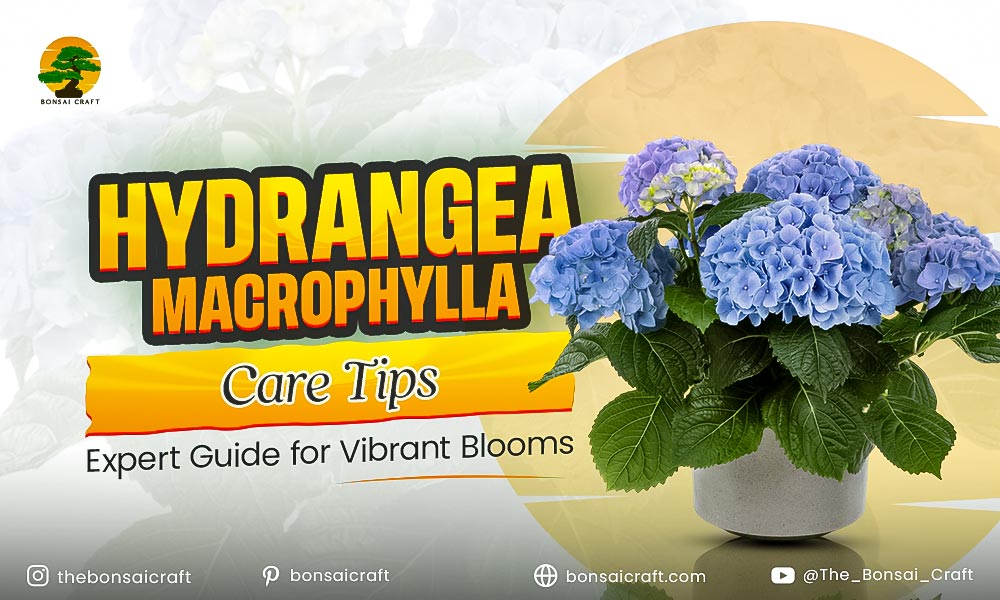
Macrophylla hydrangea is a stunning ornamental shrub celebrated for its large leaves and vibrant blooms. Its mophead and lacecap flowers make it a standout in gardens, patios, and container arrangements. While beautiful, growing healthy hydrangeas requires understanding macrophylla hydrangea care, including pruning, soil conditions, watering, and seasonal maintenance.
Many gardeners struggle to produce consistent blooms because they prune at the wrong time or neglect proper soil preparation. This guide provides comprehensive, expert insights to help you achieve healthy foliage and vibrant flowers year after year.
What Is a Macrophylla Hydrangea?
Hydrangea macrophylla is a deciduous shrub native to Japan, Korea, and China. Its name macrophylla means “large leaf,” which perfectly describes its bold foliage. Known for its round, showy flowers, this shrub is adaptable and responds well to different soil types while offering an exciting ability to change flower colors based on soil pH.
Macrophylla hydrangeas thrive in USDA zones 5–9, bloom from late spring through summer, and grow with a rounded, bushy habit. Their impressive size and vibrant flowers make them ideal for beds, borders, or container displays.
Types of Hydrangea Macrophylla
Understanding the types of Hydrangea macrophylla helps determine care, pruning, and placement.
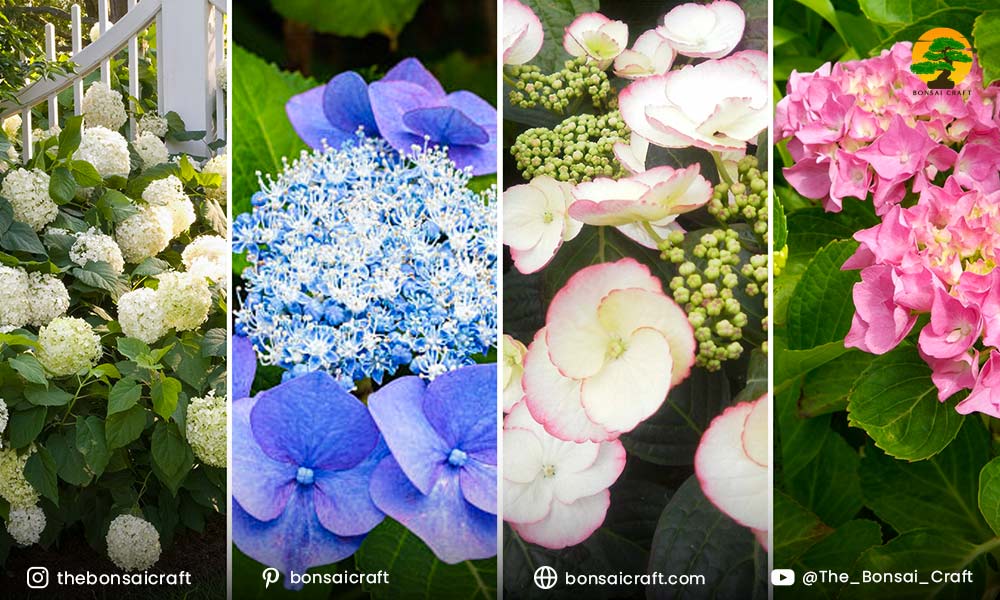
Mophead hydrangeas have large, globe-shaped blooms that create a dramatic garden statement. These blooms are dense and ideal for cut flower arrangements. Mopheads prefer slightly more sunlight than lacecaps and make excellent focal points in both garden beds and containers.
Lacecap hydrangeas have flatter flower heads, featuring tiny fertile flowers in the center and showy sterile blooms around the edge. These attract pollinators such as bees and butterflies and are perfect for naturalistic or cottage-style gardens. Lacecaps also tolerate more shade than mopheads, making them versatile in different garden conditions.
Hydrangea Macrophylla Flower Color
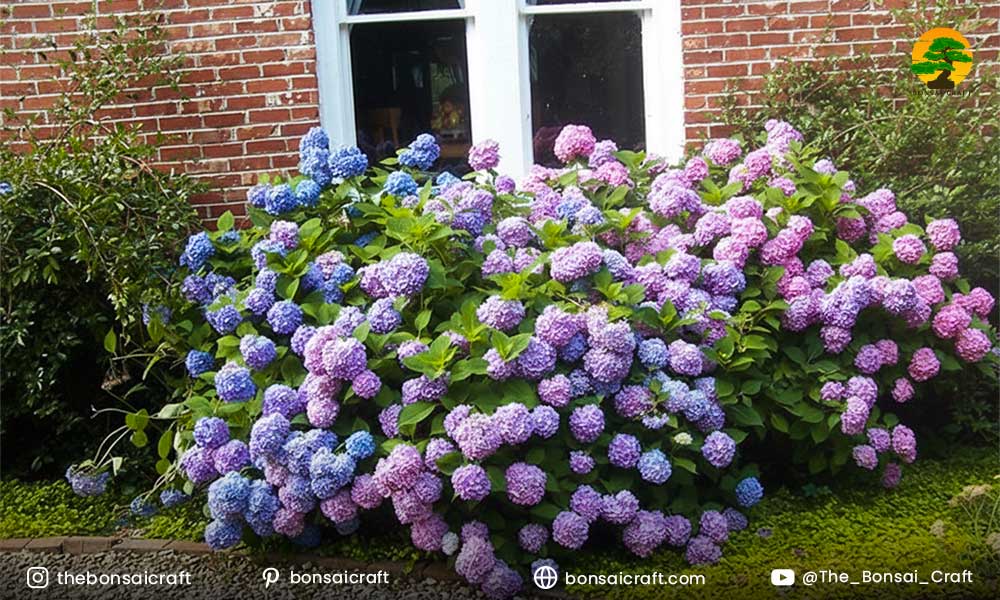
One of the most fascinating features of macrophylla hydrangeas is their color-changing blooms. Flower color depends primarily on soil pH and aluminum availability. Acidic soil (pH <6) results in blue flowers, neutral soil creates purple blooms, and alkaline soil (pH >7) produces pink flowers.
Adjusting flower color naturally is straightforward. Aluminum sulfate can turn flowers blue, while garden lime encourages pink shades. Soil testing is essential to ensure desired flower colors, and gardeners often overlook soil amendments as a more effective solution than fertilizer adjustments alone.
Location and Light Requirements
Macrophylla hydrangeas grow best in partial shade, receiving 3–4 hours of gentle morning sun while avoiding intense afternoon heat. Too much sun can scorch leaves, while too little sunlight can reduce flower production. Providing shelter from harsh winter winds also protects delicate buds and ensures more blooms the following season.
Soil Requirements for Healthy Growth
These hydrangeas thrive in rich, well-draining soil with ample organic matter. Slightly acidic soil (pH 5.5–6.5) promotes optimal flower color and overall plant health. A mix of garden loam, compost, leaf mold, and pine bark creates the perfect foundation. Mulching helps retain soil moisture, moderates temperature, and adds long-term nutrients.
Conducting a soil test before planting is highly recommended. Adjusting soil pH early ensures consistent, vibrant blooms and reduces the need for corrective measures later.
Watering Guidelines
Hydrangeas require consistent, deep watering to thrive. Shallow or infrequent watering can lead to stressed plants, while excessive watering may cause root rot. Water 2–3 times per week, increasing during hot, dry periods. Mulching around the base retains moisture and protects roots from temperature fluctuations.
Avoid wetting the foliage to reduce the risk of fungal disease. Signs of water stress include midday wilting, crispy leaf edges, or yellow leaves, all of which can be corrected with adjusted watering practices.
Fertilization Guidelines
Fertilization is key for macrophylla hydrangea care and healthy flower production. Use a slow-release, balanced fertilizer (10-10-10) in early spring, followed by a light application after the first bloom. Acid-loving fertilizers encourage blue flowers in acidic soils.
Avoid late-summer feeding, as it can stimulate leafy growth over flower formation. Over-fertilization is a common beginner mistake that leads to abundant foliage but few blooms.
Pruning Hydrangea Macrophylla
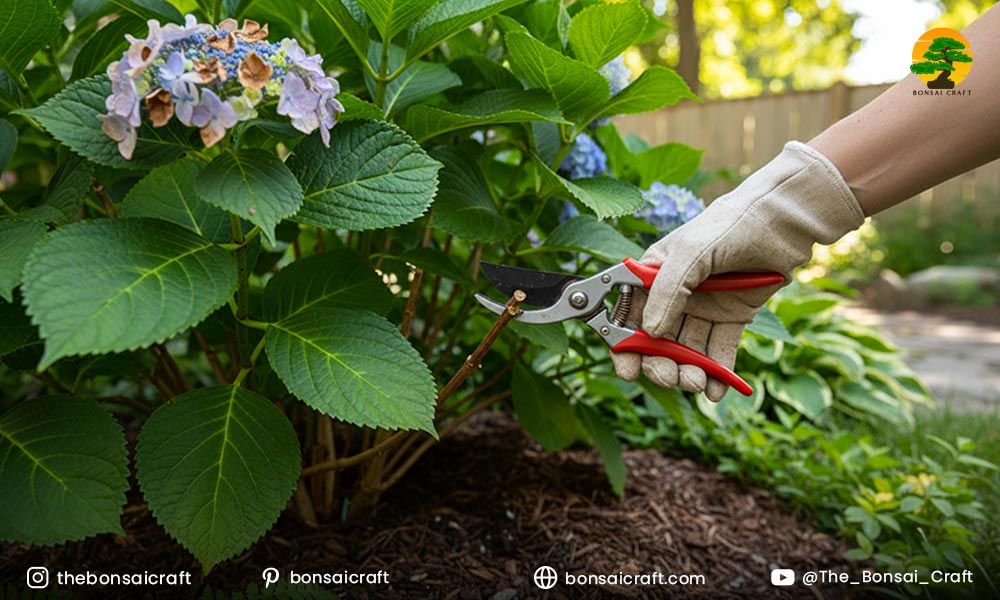
Pruning is crucial because most macrophylla hydrangeas bloom on old wood. Proper timing ensures healthy flower development. The ideal period to prune is right after flowering in summer. Pruning in fall or early spring can remove buds for the next season, resulting in fewer flowers.
How to Prune Step-by-Step
- Remove spent blooms above healthy buds.
- Cut dead or damaged stems at the base.
- Thin older stems every 3–4 years for better air circulation.
- Lightly shape the plant for aesthetics and structural health.
Reblooming varieties, such as Endless Summer, flower on old and new wood, allowing some spring pruning without affecting blooms.
Seasonal Care Calendar
Proper seasonal care ensures vibrant flowers year after year. In spring, remove winter damage, fertilize lightly, and apply mulch. During summer, water deeply, deadhead spent blooms, and monitor for pests. Fall is the time to stop fertilizing and protect roots with mulch. In winter, provide burlap protection in colder zones and avoid pruning to preserve flower buds.
Common Problems & Solutions
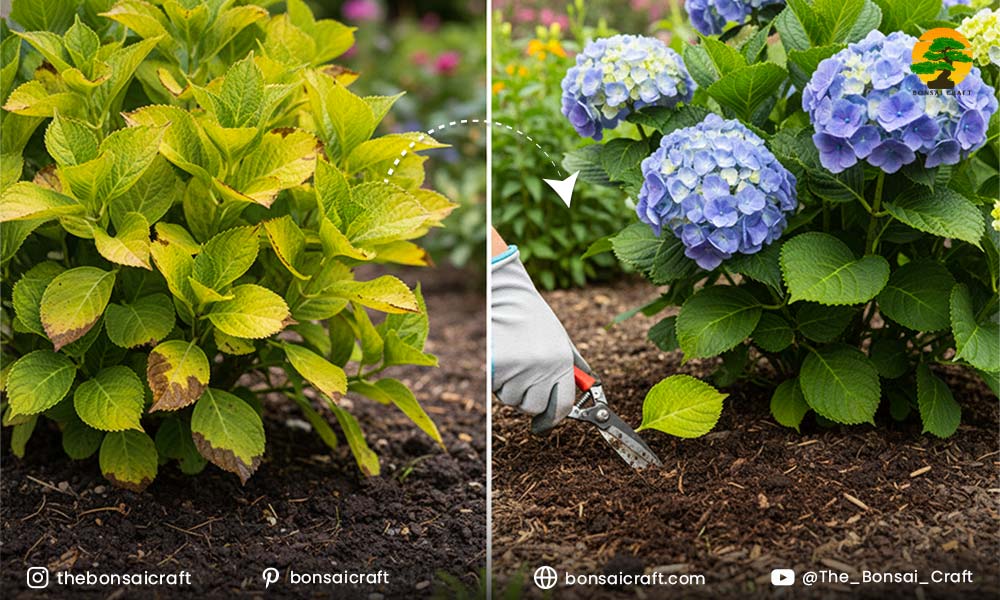
Macrophylla hydrangeas may face issues like poor blooming, pest infestations, or yellowing leaves. Poor blooms usually result from incorrect pruning, winter damage, or excessive nitrogen fertilizer. Aphids, spider mites, and slugs are common pests, treatable with neem oil or insecticidal soap. Yellow leaves often indicate overwatering or poor drainage and can be corrected by adjusting watering habits and improving soil structure.
Growing in Containers
Macrophylla hydrangeas grow well in large containers with good drainage. Pots 16–20 inches wide allow root development and prevent waterlogging. Container-grown hydrangeas require more frequent watering and winter protection, especially in regions with frost or cold winds.
Propagation
Softwood cuttings taken in early summer are the easiest way to propagate hydrangeas. Cuttings should be 4–6 inches long with at least two leaf nodes. Maintain high humidity and indirect sunlight until roots develop. Typically, cuttings are ready for transplant in 6–8 weeks.
Landscaping Uses
Macrophylla hydrangeas are versatile in gardens. They make excellent foundation plants, focal points in shade gardens, and charming elements in cottage-style borders. Their bold foliage and vibrant blooms also make them perfect for cut flower arrangements.
Conclusion
Proper macrophylla hydrangea care combines correct pruning, balanced watering, suitable soil, and seasonal maintenance. By following these guidelines, gardeners can enjoy vibrant blooms, lush foliage, and healthy growth. Whether in garden beds or containers, attentive care ensures your hydrangeas thrive year after year, offering stunning flowers and long-lasting beauty.
FAQs
Q1: When should I prune Hydrangea macrophylla?
A: Prune hydrangea macrophylla right after summer blooms fade. This timing preserves next year’s flower buds, encourages better air circulation, and removes dead or damaged stems, ensuring healthy growth and abundant, vibrant blooms in the following season.
Q2: Why is my Hydrangea macrophylla not blooming?
A: Poor blooming often occurs due to incorrect pruning, winter bud damage, or excess nitrogen fertilizer. Insufficient sunlight and inconsistent watering may also reduce flower production. Adjust care routines, prune properly after blooming, and maintain soil health to encourage healthy flower formation.
Q3: How do I change the hydrangea macrophylla flower color?
A: Flower color depends on soil pH. Acidic soil encourages blue blooms, while alkaline soil produces pink flowers. Adjust soil pH with aluminum sulfate for blue or lime for pink. Consistent watering, fertilization, and monitoring soil acidity will help achieve the desired vibrant bloom colors.
Q4: Can I grow Hydrangea macrophylla in containers?
A: Yes, Hydrangea macrophylla grows well in large containers with good drainage. Use pots at least 16–20 inches wide, water frequently, add mulch, and provide winter protection in colder zones. Container planting allows flexibility for placement while maintaining healthy roots and vibrant flowers.
Q5: Do all macrophylla hydrangeas bloom on old wood?
A: Most macrophylla hydrangeas bloom on old wood, meaning pruning must be done after flowering to preserve buds. Some modern cultivars, like reblooming varieties, can flower on both old and new wood, giving flexibility in pruning while still producing abundant blooms.